


UTI in Dogs: Comprehensive Guide to Causes, Symptoms, and Treatment
Urinary Tract Infections in dogs are more common than many pet owners may realise, affecting numerous canines across all stages of life. Urinary tract infections are more commonly referred to as UTI’s. These infections can lead to uncomfortable and potentially serious health issues, manifesting through symptoms such as frequent urination, blood in urine, and cloudy urine, which if left untreated, may escalate to severe kidney problems. The importance of recognising, diagnosing, and treating UTIs promptly cannot be overstated, highlighting the need for comprehensive awareness among dog owners. Understanding the underlying causes, such as bacterial infections, bladder stones, or conditions like Cushing’s disease, is crucial in prevention and management of this condition.
This article aims to provide a detailed exploration of UTIs in dogs, covering the essential aspects of causes, symptoms, diagnosis, and treatment options, including the role of antibiotics and the importance of a timely diagnosis. Additionally, it will touch upon effective prevention strategies to safeguard the health of our canine companions. The focus will be on equipping pet owners with the knowledge to recognize canine UTI symptoms early on and understand the significance of professional veterinary care in ensuring the well-being of their pets. Through this guide, readers will gain insights into not only managing UTI in dogs but also implementing preventative measures to minimize the risk of future infections, thereby supporting their furry friends in leading healthier, happier lives.
Causes of UTIs in Dogs
Common Bacterial Causes
Urinary Tract Infections (UTIs) in dogs are predominantly caused by bacteria that ascend the urethra into the bladder. The most common bacterium responsible for these infections is Escherichia coli, which originates from fecal matter. However, other bacteria such as Staphylococcus spp., Enterococcus spp., Proteus spp., and Klebsiella spp. are also frequently identified. These microorganisms can invade the sterile environment of the bladder, multiply, and initiate an infection. Mixed bacterial infections are also not uncommon, which can complicate diagnosis and treatment.
Underlying Health Conditions
Dogs with certain chronic conditions are more susceptible to developing UTIs. These include diabetes mellitus, which can impair the immune system; Cushing’s disease, which affects hormone balance; and kidney disease, which may reduce the body’s ability to eliminate waste and fight off infection. Anatomic abnormalities such as ectopic ureters or a recessed vulva also predispose dogs to frequent infections. Additionally, conditions like bladder stones or tumours can cause recurrent UTIs by providing a surface where bacteria can adhere and proliferate.
How Infections Develop
The development of a UTI generally begins when bacteria gain entry to the bladder from the external environment, overcoming the body’s natural defences. In a healthy dog, the urinary tract has several defence mechanisms to prevent infection, including the flushing action of urine that helps clear bacteria. However, if these defences are compromised due to underlying health issues or anatomical defects, bacteria can easily colonize and lead to an infection. Chronic or untreated UTIs can have serious consequences, including damage to the kidneys and other organs, highlighting the importance of prompt and effective treatment.
Recognising Symptoms of a UTI
Frequent Urination
One of the most noticeable signs that a dog may be suffering from an UTI is an increase in the frequency of urination. Owners might observe that their dogs are asking to go outside more often than usual or are having accidents inside the home. This symptom indicates that the dog’s bladder is irritated, making them feel the urge to urinate more frequently.
Straining to Urinate
Dogs with UTIs may also show signs of straining while trying to urinate. This can be accompanied by whimpering or showing signs of discomfort during the process. Straining occurs because the infection may cause inflammation in the urinary tract, which makes the act of urinating painful or difficult. Observing these behaviours in dogs is crucial as they indicate discomfort and the potential presence of a more serious condition.
Blood in Urine
Blood in the urine, or haematuria, is a significant indicator of an UTI and can manifest in various ways. The urine may appear normal, or it could have a discoloration ranging from amber to red, orange, or brown. Sometimes the presence of blood is not visually obvious and may require diagnostic testing to be confirmed. Blood in the urine can be caused by infections, trauma, or more severe conditions like cancer, particularly in certain breeds predisposed to these illnesses. It is essential for pet owners to monitor their dogs for this symptom and seek veterinary care if blood is detected in the urine.
Diagnosing an UTI in Dogs
Urinalysis
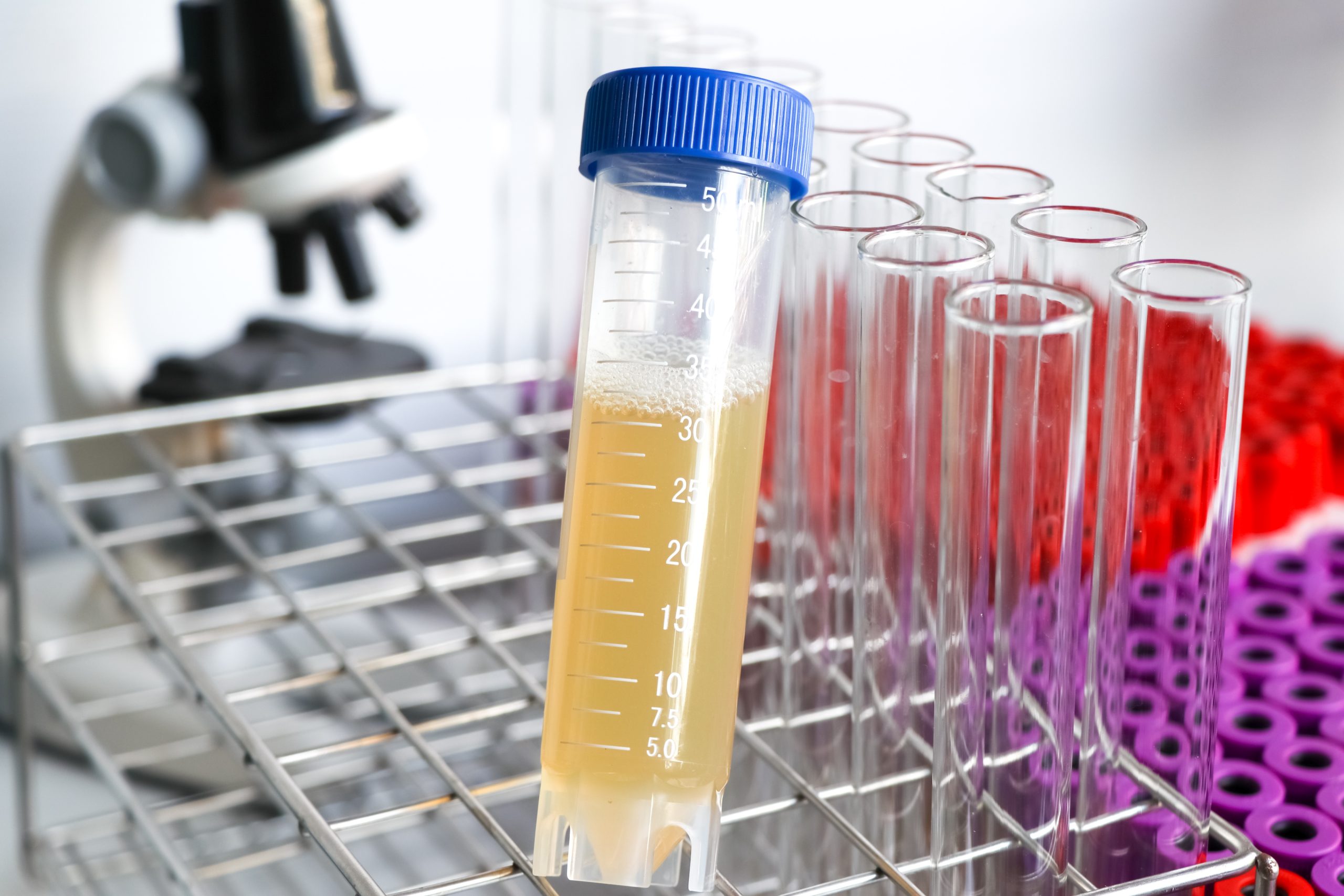
When a urinary tract infection (UTI) is suspected in dogs, the initial diagnostic test performed is a urinalysis. This test examines the urine for signs of infection, such as the presence of white blood cells, bacteria, and red blood cells. The preferred method for obtaining a urine sample is through cystocentesis, where a needle is inserted directly into the bladder to collect urine. This method minimizes contamination from external sources, ensuring a more accurate analysis. A complete urinalysis includes checking the urine’s specific gravity, pH levels, and examining the sediment under a microscope for cells, bacteria, and crystals.
Urine Culture and Sensitivity
Following a urinalysis, a urine culture and sensitivity test is often conducted to confirm the presence of an infection. This test identifies the specific type of bacteria causing the infection and determines the most effective antibiotics for treatment. The urine sample, ideally collected by cystocentesis, should be sent to a laboratory in a sterile container and kept refrigerated until analysis. Quantitative analysis, expressed as colony-forming units per millilitre of urine, helps distinguish between contamination and infection. The results guide the selection of an appropriate antibiotic and dosing range, crucial for effective treatment.
Additional Diagnostic Tests
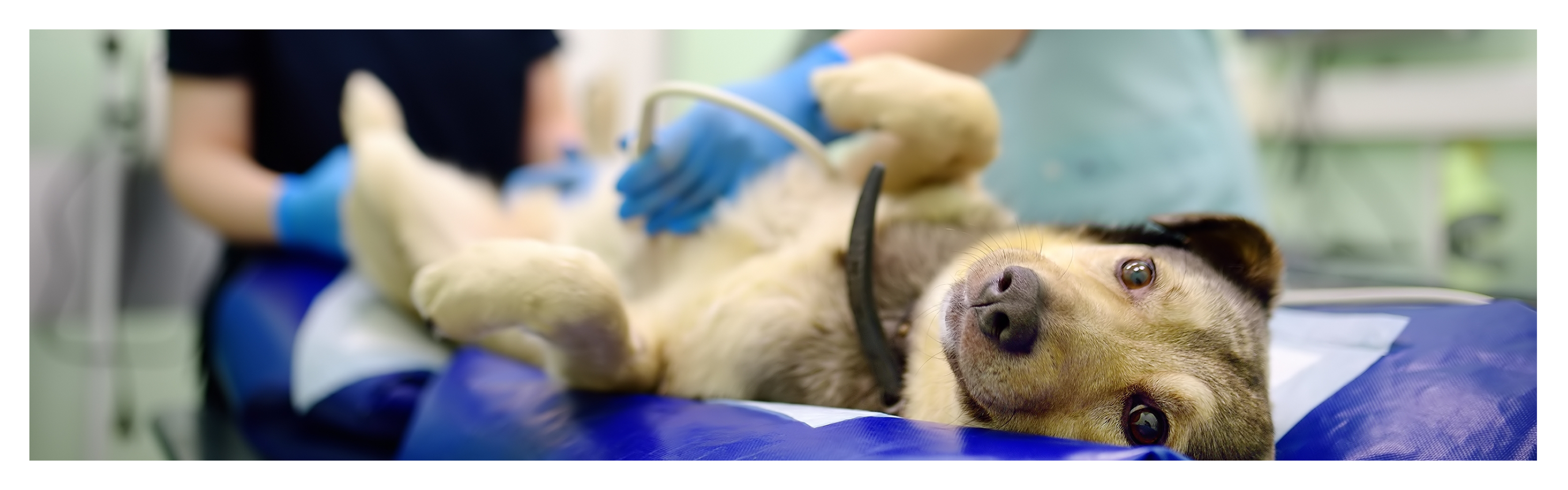
Depending on the overall health of the dog and the severity of the UTI symptoms, veterinarians may recommend additional diagnostic tests. These can include blood work, ultrasounds, X-rays, and other forms of imaging to assess the extent of the infection and check for possible complications like kidney damage or bladder stones. In cases where the location of the UTI is uncertain, such as whether it affects the bladder, kidneys, or prostate, these additional tests can provide valuable insights. They help in accurately localizing the infection, which is essential for targeted treatment and monitoring the dog’s response to therapy.
Treating UTIs in Dogs
Antibiotics
When treating urinary tract infections (UTIs) in dogs, antibiotics are often the first line of defence, particularly when the infection is caused by bacteria. Vets typically prescribe antibiotics such as amoxicillin, cephalosporins, or trimethoprim-sulfonamide, depending on the specific bacteria involved and the severity of the infection. It’s crucial for owners to administer the full course of antibiotics as prescribed to prevent recurrence and resistance, even if symptoms appear to improve quickly.
Pain Relief
UTIs can be extremely painful for dogs, manifesting symptoms like frequent urination and discomfort during urination. To manage this pain, veterinarians may prescribe anti-inflammatory painkillers. In more severe cases, stronger pain relief may be necessary, and can be administered through injections to ensure the dog’s comfort. Managing pain not only helps improve the quality of life but also assists in the healing process by reducing stress on the animal.
Addressing Underlying Issues
In many cases, recurrent UTIs in dogs are linked to underlying health conditions such as diabetes, Cushing’s disease, or bladder stones. Treatment may therefore also focus on managing these underlying issues to prevent further infections. For instance, controlling diabetes or managing Cushing’s disease can significantly reduce the frequency of UTIs. In cases where bladder stones are present, they may need to be surgically removed or dissolved through dietary changes and medication.
It’s important for owners to work closely with their vets to ensure that all aspects of the UTI and any underlying conditions are adequately addressed. Regular monitoring and follow-up tests, such as urine cultures, are essential to evaluate the effectiveness of the treatment and to make adjustments as needed.
Conclusion
Throughout this article, we’ve journeyed through the intricate landscape of urinary tract infections in dogs, exploring everything from causes and symptoms to diagnosis and treatment. By uncovering the common bacterial culprits, identifying the symptoms to watch for, and understanding the medical approach to diagnosis and treatment, we’ve equipped pet owners with the knowledge necessary to tackle this condition head-on. Emphasizing the role of prompt veterinary care and the importance of addressing underlying health concerns, we aim to foster a proactive approach to managing UTIs, thus ensuring the health and happiness of our canine friends.
The significance of early recognition and treatment cannot be overstressed, as it not only alleviates the immediate discomfort associated with UTIs but also mitigates the risk of serious complications. This article underscores the vital importance of professional veterinary intervention and the continued health monitoring of pets suffering from this condition. Armed with this comprehensive guide, pet owners are better prepared to support their dogs through UTI episodes, contributing to a healthier life for their much loved companions.
Further information on bladder infections.
Disclaimer: The contents of Itsadogz.life website are for informational and educational purposes only and should NOT replace professional Veterinary Advice. Always consult a qualified Veterinarian regarding your dog’s health and any concerns you may have.
Neither the owners nor creators of this site are engaged in providing veterinary medical services via this site and assume no responsibility for any consequence relating directly or indirectly to any action you take or do not take based on the information, services, products, or other materials provided on this site.
