


Understanding the Hidden Risks
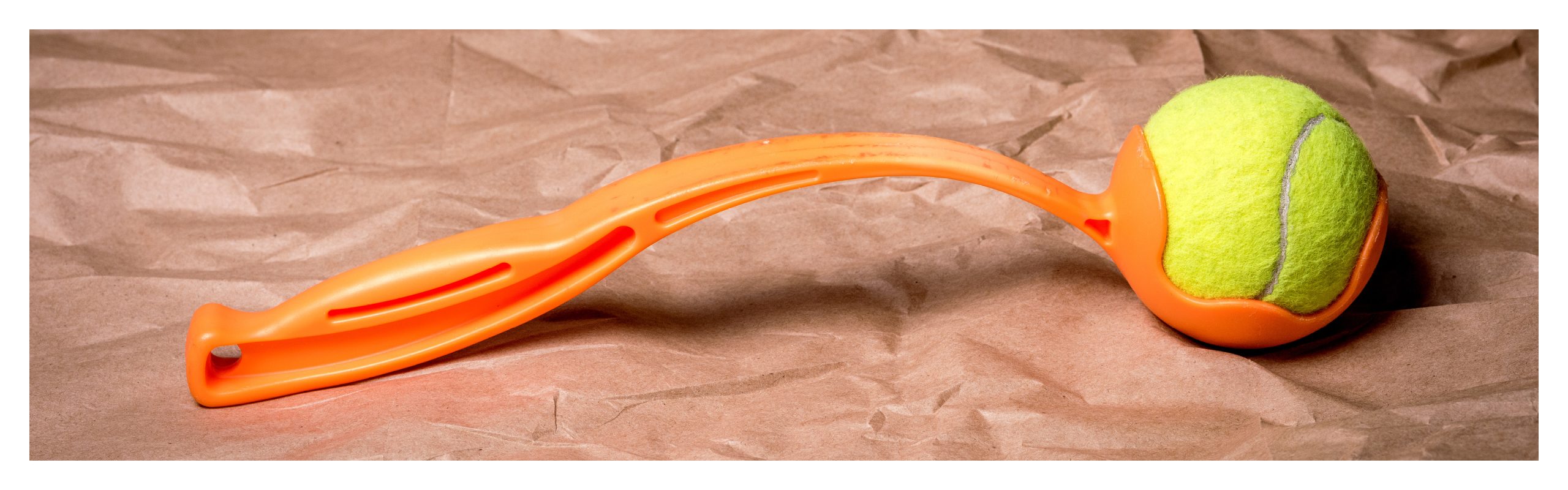
Ball throwers (also called ball launchers) can propel tennis balls up to 140 feet – more than double what a person can throw. While these devices might seem like an excellent way to exercise your dog, veterinary professionals are increasingly concerned about their impact on canine health.
Recent studies show that 80% of older dogs develop arthritis, and the intense, repetitive movements from ball throwers could be making this problem worse. When your dog sprints from a standing position to catch a launched ball, their joints, muscles and cartilage face significant strain (much like human athletes during high-intensity training). The crucial difference is that dogs using ball launchers often repeat these demanding movements dozens of times in a single play session, potentially causing long-term damage to their bodies.
The main risks of ball throwers include:
- Excessive strain on joints and muscles
- Repeated high-impact landings
- Sudden stops and turns that stress ligaments
- Overexertion due to excitement
This guide looks at the scientific evidence behind these concerns, examining how ball throwers affect your dog’s joints, spine and overall health. You’ll discover which breeds face higher risks and what veterinary research tells us about safer alternatives for exercise.
(If your dog already shows signs of joint problems or is over 7 years old, please consult your vet before using any ball-throwing devices).
How Ball Throwers Affect Your Dog’s Body
Dogs naturally move forward in straight lines, unlike humans who can easily twist and turn. Understanding how ball throwers affect your dog’s body mechanics helps explain why these devices might not be as harmless as they seem.
What Happens to Your Dog’s Joints?
Your dog’s body works like a well-coordinated machine. The back legs provide the power to move forward (like an engine), whilst the front legs work as brakes and shock absorbers. The front legs are only attached by a group of muscles (called the thoracic sling), yet they handle most of your dog’s weight. This means the front legs are particularly vulnerable to injury during intense exercise.
What Happens During High-Speed Ball Chasing?
When your dog chases a ball from a launcher, their body faces several demanding movements:
- Sudden bursts of speed from standing still
- Quick twists and turns that stress joints
- Hard braking that puts pressure on shoulders
- Heavy landing impacts after jumps
Research shows that even carrying a small toy (weighing about 1 pound or 0.45kg) increases the weight on your dog’s front legs to 66% during retrieval. This extra strain can lead to long-term joint problems.
Why Repeated High-Speed Play is Risky
Ball launchers encourage repetitive movements that put multiple stress points on your dog’s body. During fast play, muscles stretch while working (called eccentric contraction), which is particularly tough on their body. The trouble is, many dogs won’t stop even when tired – their excitement about the game overrides their body’s warning signals.
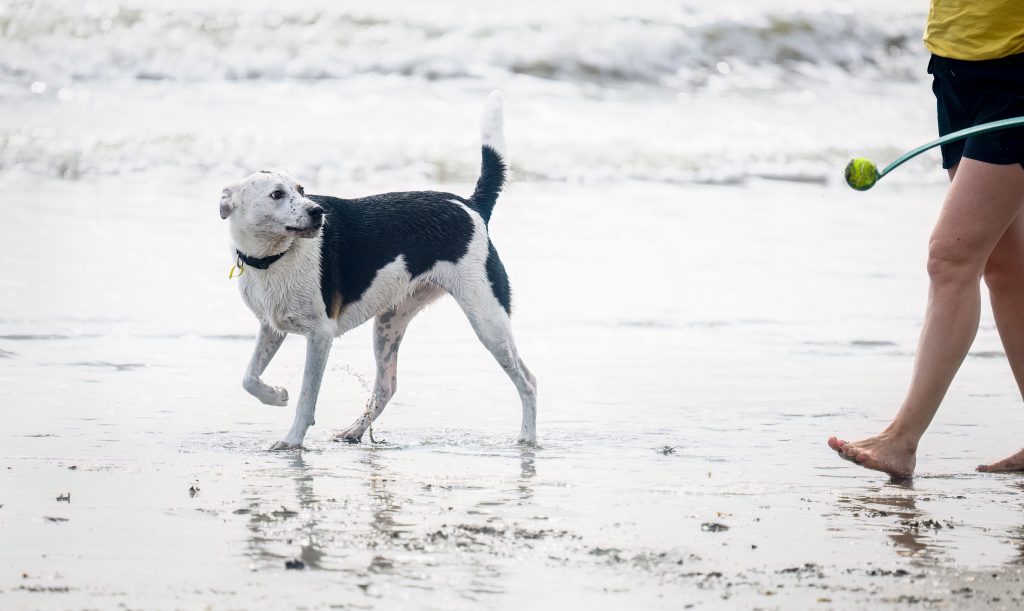
Playing on difficult surfaces makes things worse. Running on beaches or up hills puts extra stress on your dog’s joints. The most dangerous part is when they stop suddenly to catch the ball, which often leads to shoulder problems.
(If your dog shows any signs of limping or stiffness after playing with a ball launcher, it’s best to stop using it and consult your vet).
Medical Problems Linked to Ball Throwers
Ball throwers can cause much more serious problems than just tired muscles. Research shows that many dogs arriving at vets with arthritis or lameness are regular ball chasers.
Joint Problems and Arthritis
Each time your dog chases a ball from a launcher, their joints take a beating. The sudden stop when reaching the ball puts massive force through their front legs (especially shoulders, elbows and wrists). This repeated strain often leads to:
- Early arthritis (which can start much younger than normal)
- Wearing down of joint surfaces
- Torn knee ligaments
- Long-term mobility problems
(If your dog limps or seems stiff after playing, even if it goes away quickly, this could be an early warning sign of joint damage).
Back Problems and Injuries
Your dog’s spine, whilst naturally flexible, isn’t built for the twisting movements needed for high-speed ball chasing. These unnatural movements can cause:
- Damage to nerves
- Paralysis (in the worst cases)
- Slipped discs
Worth noting that back problems often start slowly and get worse over time, making them hard to spot early on.
Muscle and Soft Tissue Damage
The fast-paced nature of fetch with ball launchers puts your dog’s muscles at risk of injury. Most worrying is how these injuries develop slowly – you might not notice until they become quite serious. The powerful movements needed for sudden chasing can stretch muscles beyond what they’re designed to handle.
The problem gets worse because dogs love the game so much they ignore pain signals their body sends. This means they’ll often keep playing even when hurt, which can make small injuries much more serious.
Which Dogs Are Most at Risk from Ball Throwers?
Different dog breeds have different body shapes and structures, which means some dogs are much more likely to get hurt using ball throwers than others.
Breeds Most Likely to Have Joint Problems
Large breeds like German Shepherds, Golden Retrievers and Labrador Retrievers often have joint problems in their genes, making ball throwers particularly risky for them. Dogs with unusual body shapes (like Dachshunds and Basset Hounds with their long backs and short legs) need extra care too.
These breeds need special attention when using ball throwers:
- German Shepherds and Golden Retrievers
- Newfoundlands and Saint Bernards
- Rottweilers and Great Danes
- Dachshunds and Basset Hounds
(If your dog is one of these breeds, traditional fetch games might be a safer choice).
How Age Affects Ball Thrower Safety
Your dog’s age plays a big part in whether ball throwers are safe to use. Young dogs under 2 years old are still growing their bones and muscles, making them very vulnerable to too much exercise. Older dogs face different challenges – their joints naturally wear down and their tendons become less stretchy.
Different Body Types Handle Exercise Differently
The way your dog’s body is built affects how much exercise they can safely handle. Border Collies, for instance, can bend their joints more than Labradors . Greyhounds have special muscle systems with more red blood cells and less fat than other breeds.
Dogs fall into different groups (sporting, herding, protection) and each group has its own levels of strength and athletic ability. But research shows that no matter what type of dog you have, the fast, repetitive movements from ball throwers can be dangerous.
(Remember: just because your dog wants to keep chasing the ball doesn’t mean it’s safe for them to do so).
What Research Says About Ball Thrower Risks
Scientific studies are showing clear evidence about the dangers of ball throwers for dogs. Michigan State University research reveals these devices cause more than just immediate strain on your dog’s body.
Latest Research Findings
A key study looking at working Labrador Retrievers found something quite worrying – carrying just a 1-pound (0.45kg) toy made dogs put 66% of their weight on their front legs. Even more concerning, this jumped to 75% with heavier toys. Dogs normally distribute their weight 60/40 between front and back legs, but ball throwers completely disrupt this balance.
(This extra weight on the front legs helps explain why so many dogs develop shoulder problems from ball throwers).
What Vets Are Seeing
Veterinary surgeons report treating 3-4 dogs every week for injuries linked directly to ball thrower use. These injuries typically include:
- Trauma to shoulders and upper spine
- Problems with the neck
- Foreleg injuries needing surgery
- Broken thigh bones from intense play
Long-Term Health Effects
Research shows that fast, repetitive movements pose unnecessary risks to all mammals. Studies of dogs jumping from cars found their legs face four times more force than during normal walking. These findings match what happens when dogs use ball throwers.
The scientific community has found another problem – ball-chasing sessions raise cortisol (stress hormone) levels, which can harm your dog’s health over time. These hormone changes don’t just affect their bodies – studies show changes in behaviour in dogs who regularly use ball launchers.
(If your dog seems more anxious or reactive after using a ball thrower, these hormone changes might be the reason).
Should You Use a Ball Thrower?
Research clearly shows that ball throwers, though popular, pose serious risks to your dog’s health. These devices might seem like a convenient way to exercise your dog, but the combination of fast movements and repeated strain often leads to long-term damage.
(Many dogs will keep playing even when tired or sore, so waiting for signs of pain before stopping might be too late).
The safest approach is preventing injuries rather than treating them. Traditional throwing methods, with shorter distances and controlled play sessions, help protect your dog’s joints while still providing good exercise. Look for games that let your dog move naturally and match their fitness level.
These risks matter even more for certain dogs:
- Large breeds prone to joint problems
- Senior dogs with less flexible joints
- Dogs with existing health issues
- Young dogs still growing
Your dog’s long-term health depends on making smart choices about exercise tools and methods. While ball throwers might save time, the risk to your dog’s joints and muscles suggests traditional play remains the better choice.
If you use a ball thrower, try teaching ‘wait’ – this is an excellent way to teach impulse control. Throw the ball, wait for it to land, then send your dog to find it. You can even throw it into long grass so that they have to use their noses to locate the ball.
