


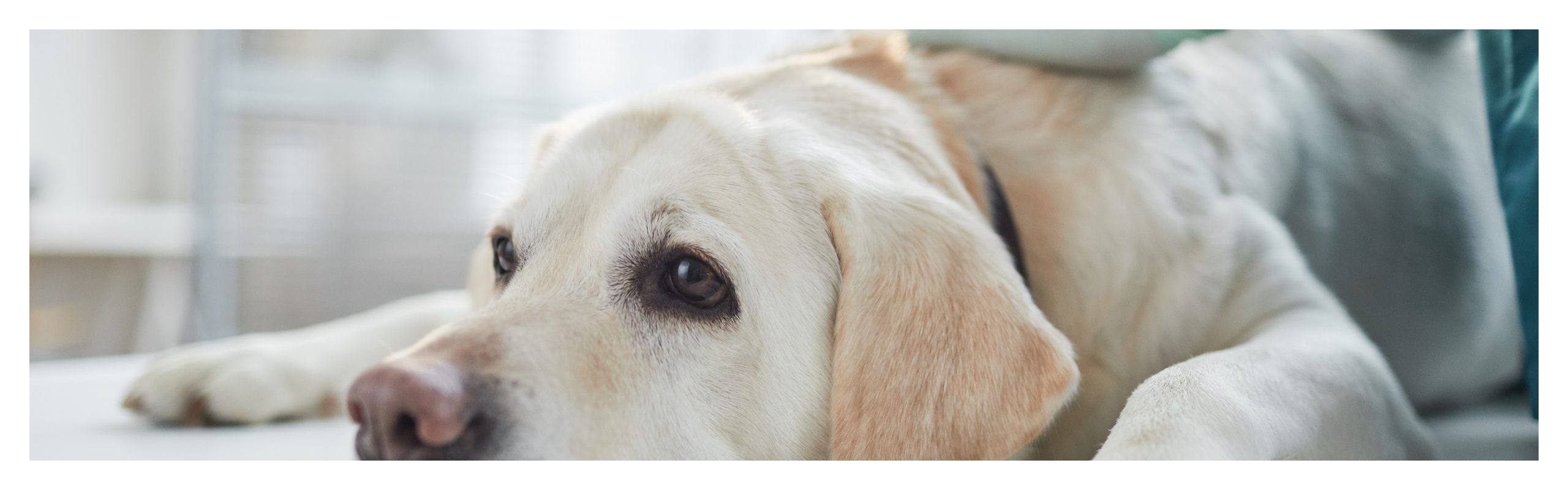
Dogs are famously stoic animals, often hiding discomfort until it becomes serious. Whether it’s a subtle change in behaviour or a limp after a long walk, dog pain can be easy to miss if you’re not sure what to look for.
As a responsible pet owner, learning the signs of pain in dogs can help you take action early, potentially preventing more serious health issues. Here are 10 common signs your dog might be in pain and what you should do about it.
Changes in appetite
A sudden loss of interest in food or treats is often one of the first signs of dog pain. If your dog skips meals for more than a day, it’s worth calling your vet, especially if paired with lethargy or vomiting.
Limping or difficulty moving
If your dog starts favouring one leg, hesitating on stairs or avoiding jumping on the sofa, it could be a sign of joint or muscle pain. Arthritis, sprains or even a slipped disc could be the culprit.
Unusual aggression or irritability
Pain can make even the friendliest dogs a bit moody. If your pup growls, snaps or shies away from touch, especially in specific areas, they might be trying to protect a painful spot.
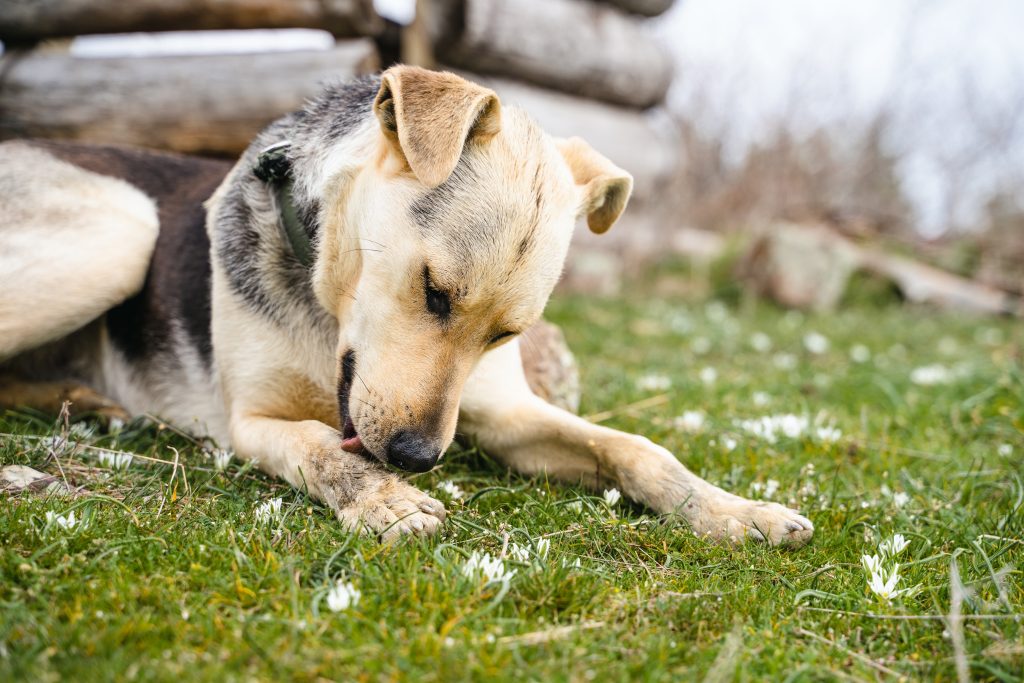
Excessive grooming
Constant licking or chewing of a particular area, such as a paw or joint, can indicate localised dog pain. Dogs often self-soothe in this way, sometimes even creating sores or infections.
Panting or shallow breathing
Dogs do pant to cool down, but if your dog is panting heavily whilst resting, or breathing unusually fast or shallow, it could indicate internal discomfort, stress or pain.
Whining, whimpering or yelping
Vocal cues are obvious signs your dog is trying to communicate something’s wrong. These sounds, especially when tied to movement or being touched, often signal acute or chronic pain.
Posture and gait changes
A hunched back, arched neck or dragging paws can all suggest musculoskeletal pain. Pay close attention to how your dog sits, stands and walks.
Changes in sleep patterns
A dog in pain may sleep more to escape discomfort. However, they may instead sleep less because lying down causes them pain. A restless dog who frequently changes position or whines at night should be taken to the vet.
Decreased interest in play or walks
Loss of enthusiasm for favourite toys or daily walks often signals something’s not right. It may be due to injury, dental issues or underlying illness.
Facial expression changes
Squinting, pinned ears or a tense jaw can be signs of subtle dog pain. Some owners even describe it as their dog “just looking different.”
What to do if you suspect your dog is in pain
If you’ve noticed any of these signs, don’t try to diagnose or treat dog pain on your own, especially with human painkillers, which can be toxic to dogs. Instead:
- Book a vet appointment as soon as possible.
- Note when the symptoms started and what makes them worse or better.
- Keep your dog calm and comfortable while you wait for your vet’s advice.
Remember, early intervention can make a big difference in managing dog pain, both for your pet’s quality of life and your peace of mind.
