



A Comprehensive Guide for Dog Owners
Bronchitis in dogs is a condition that can be distressing for both pets and their owners. This respiratory ailment affects the lungs and airways, causing inflammation and leading to symptoms such as coughing and difficulty breathing. As a responsible pet owner, understanding this condition is crucial to ensure the health and well-being of your furry companion.
This comprehensive guide aims to shed light on the various aspects of bronchitis in dogs. We’ll explore the causes and symptoms of this respiratory issue, discuss the diagnostic process, and delve into available treatment options. Additionally, we’ll examine the differences between acute and chronic bronchitis, and provide insights into managing the condition to improve your dog’s quality of life. By the end of this guide, you’ll be better equipped to recognise the signs of bronchitis and take appropriate action to help your canine friend.
Understanding Bronchitis in Dogs
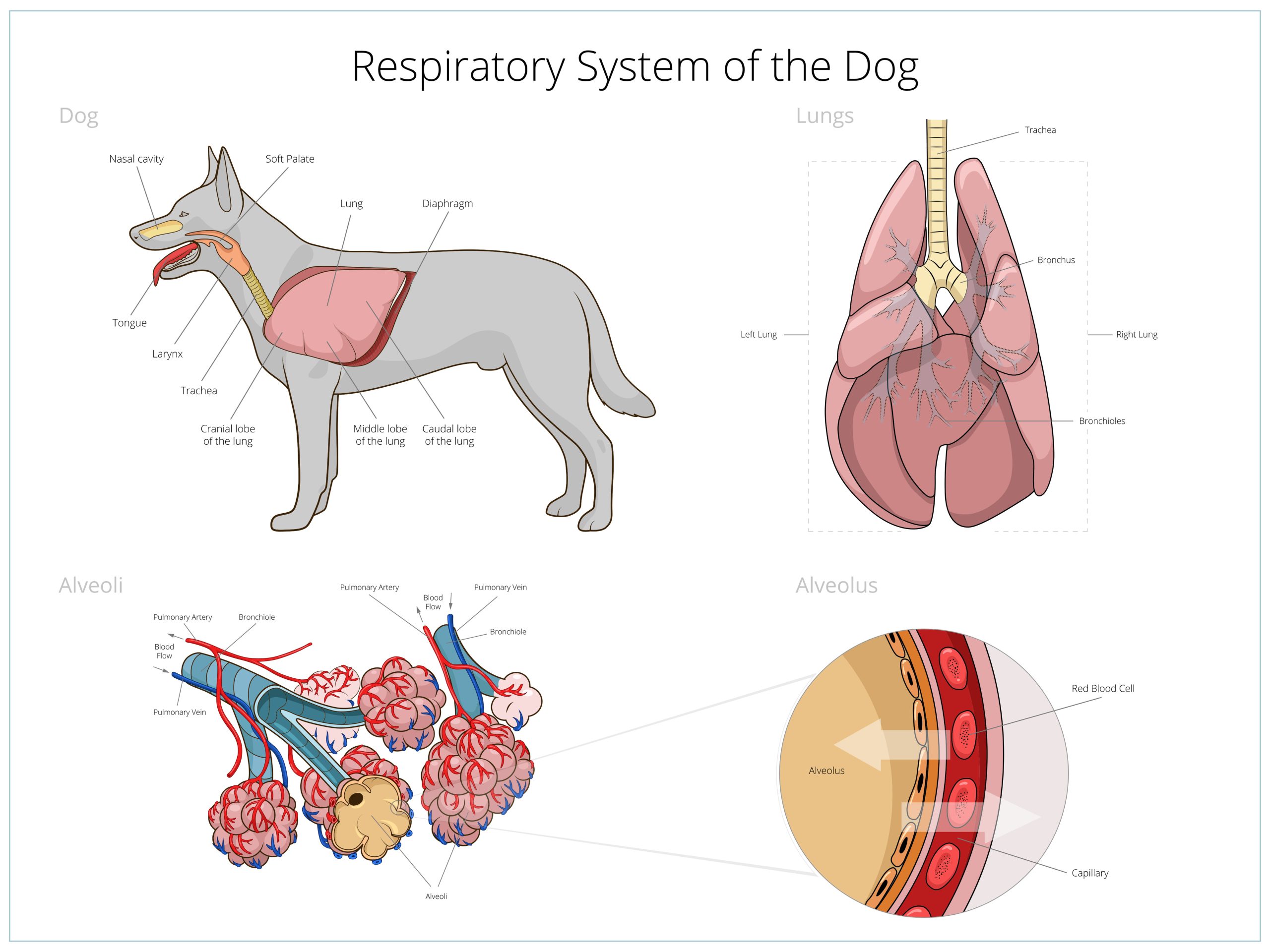
Bronchitis in dogs is a condition that affects the respiratory system, specifically the bronchial airways. When a dog breathes, air flows through their mouth or nose to the trachea (windpipe), which then carries the air to the bronchi. These bronchial tubes connect the trachea to the lungs. Bronchitis occurs when these airways become inflamed, causing them to swell and release mucus. This inflammation narrows the airways, making it difficult for air to effectively reach the alveoli (air sacs in the lungs).
What Causes Bronchitis?
Bronchitis in dogs can have various causes. Some common factors include:
- Infections: Both viral and bacterial infections can lead to bronchitis.
- Environmental irritants: Exposure to cigarette smoke, air pollutants, dust, mould, and household chemicals can irritate the airways.
- Allergies: Allergens such as grass and pollen can trigger bronchitis in sensitive dogs.
- Parasites: Lungworms and heartworms can cause respiratory issues, including bronchitis.
- Underlying respiratory conditions: Dogs with existing respiratory diseases or disorders may be more prone to developing bronchitis.
It’s important to note that in some cases, especially with chronic bronchitis, the underlying cause may not be identifiable.
Acute vs Chronic Bronchitis
Bronchitis in dogs can be classified as either acute or chronic, depending on the duration and nature of the condition.
Acute Bronchitis:
- Temporary inflammation of the airways
- Often caused by infections or sudden exposure to irritants
- Symptoms typically last for one to three weeks
- Associated with reversible changes in the structure of the airways
Chronic Bronchitis:
- Long-term condition lasting more than two months
- Not contagious or infectious
- Involves irreversible inflammation and swelling of the bronchial walls
- Can lead to permanent lung damage – Canine Pulmonary Fibrosis
- Often seen in smaller breeds, but can affect larger breeds as well
- May worsen with sudden changes in weather or environmental stresses
Chronic bronchitis is diagnosed when a dog has had a persistent cough for at least two months, and other underlying medical conditions have been ruled out. It’s important to consult a vet for proper diagnosis and treatment, as severe bronchitis can be difficult to distinguish from pneumonia and may require specific care.
Recognising the Signs
Common Symptoms
Bronchitis in dogs manifests through various symptoms, with coughing being the most prominent sign. This cough often sounds harsh and dry, resembling a goose’s honk. As the condition progresses, dogs may experience spasms of coughing, which can be particularly severe after periods of rest or at the beginning of exercise.
Other common symptoms include:
- Wheezing or abnormal lung sounds
- Difficulty breathing
- Retching or gagging after coughing
- Foamy saliva
- Swollen tonsils
- Runny nose and eyes
In some cases, dogs may develop a fever, though this is not always present. The cough tends to worsen at night when the dog is lying flat, as mucus pools at the back of the throat, triggering the need to clear it.
As bronchitis becomes more severe, dogs may show signs of exercise intolerance and fatigue. In advanced stages, oxygen deprivation can cause the gums to develop a bluish tinge, indicating a serious progression of the condition.
When to Seek Veterinary Care
Owners should be vigilant and seek veterinary care if their dog exhibits persistent coughing that lasts longer than two weeks. This is particularly important as chronic bronchitis can cause permanent lung damage if left untreated.
Immediate veterinary attention is necessary if:
- The dog has difficulty breathing
- There’s a sudden onset of severe coughing attacks
- The dog loses consciousness or faints during physical activity
- The cough is accompanied by a fever or pus-containing nasal discharge
It’s crucial to remember that these symptoms are not exclusive to bronchitis and may indicate other serious conditions such as heart disease or lung cancer. Therefore, professional diagnosis is essential to rule out other potential causes and initiate appropriate treatment.
In the event of a sudden coughing attack, owners should remain calm, move the dog to a cool, well-ventilated area, and administer any prescribed bronchodilator medication before seeking immediate veterinary care.
Diagnosis and Treatment
Diagnostic Tests
When a vet suspects bronchitis in dogs, they will conduct a thorough physical examination and review the pet’s medical history. During the examination, they may listen to the chest with a stethoscope to detect wheezes or ‘crackles’ when the dog breathes. To confirm the diagnosis and rule out other conditions, a series of tests may be necessary.
These tests may include:
- Blood tests: A complete blood count (CBC) and biochemistry profile to assess the dog’s general health.
- Chest X-rays: To identify characteristic changes in the lungs and eliminate other heart or lung diseases.
- Bronchoscopy: A visual examination of the airways using a bronchoscope, which allows for cell sample collection.
- Bronchoalveolar lavage (BAL): A procedure to collect fluid samples from the lungs for analysis.
- Advanced imaging: In some cases, MRI or CT scans may be used, typically in referral hospital settings.
Treatment Options
The treatment of bronchitis in dogs aims to reduce inflammation, limit coughing, and improve exercise stamina. The approach often combines medication and environmental modifications.
Medications commonly prescribed include:
- Glucocorticoids: These anti-inflammatory drugs, such as prednisone, are the primary treatment. They can be administered orally or via inhalation.
- Bronchodilators: These medications help expand airways and provide relief during coughing attacks.
- Antibiotics: Used when there’s evidence of a secondary bacterial infection.
- Cough suppressants: Narcotic options like hydrocodone may be prescribed to improve quality of life.
Environmental modifications are crucial and include:
- Eliminating exposure to smoke and other airborne irritants
- Using a harness instead of a collar
- Encouraging weight loss in obese dogs
- Limiting excessive barking and strenuous activity
In some cases, inhaled medications delivered through specially designed spacer chambers and face masks for dogs may be recommended. These can provide targeted treatment with fewer systemic side effects.

Authors Note: When Puzzle was first diagnosed with Bronchitis and then Eosinophilic bronchopneumopathy (EBP) the following year we were given the AeroDawg inhaler (there really is such a thing!) and chamber to use fluticasone (Flixotide, the same inhaler used for Asthma in humans), I taught her to put her nose into the mask. I’ve got to admit, I had never thought of a dog needing an inhaler, let alone teaching a dog to accept being given the inhaler happily. We did have to break it down and still do have to press the inhaler away from her face as she doesn’t like the puff sound it makes. We’ve been using the inhaler for over 3 or 4 years now. Puzzle doesn’t suffer from exercise intolerance and her EBP is made worse by environmental allergies, she has since gone on to develop Canine Pulmonary Fibrosis from all the coughing she has been doing over the years, but still runs around quite happily just in shorter bursts.
Further reading on bronchitis.
Disclaimer: The contents of Itsadogz.life website are for informational and educational purposes only and should NOT replace professional Veterinary Advice. Always consult a qualified Veterinarian regarding your dog’s health and any concerns you may have.
Neither the owners nor creators of this site are engaged in providing veterinary medical services via this site and assume no responsibility for any consequence relating directly or indirectly to any action you take or do not take based on the information, services, products, or other materials provided on this site.
