


Preparing Your Dog for Outdoor Excursions
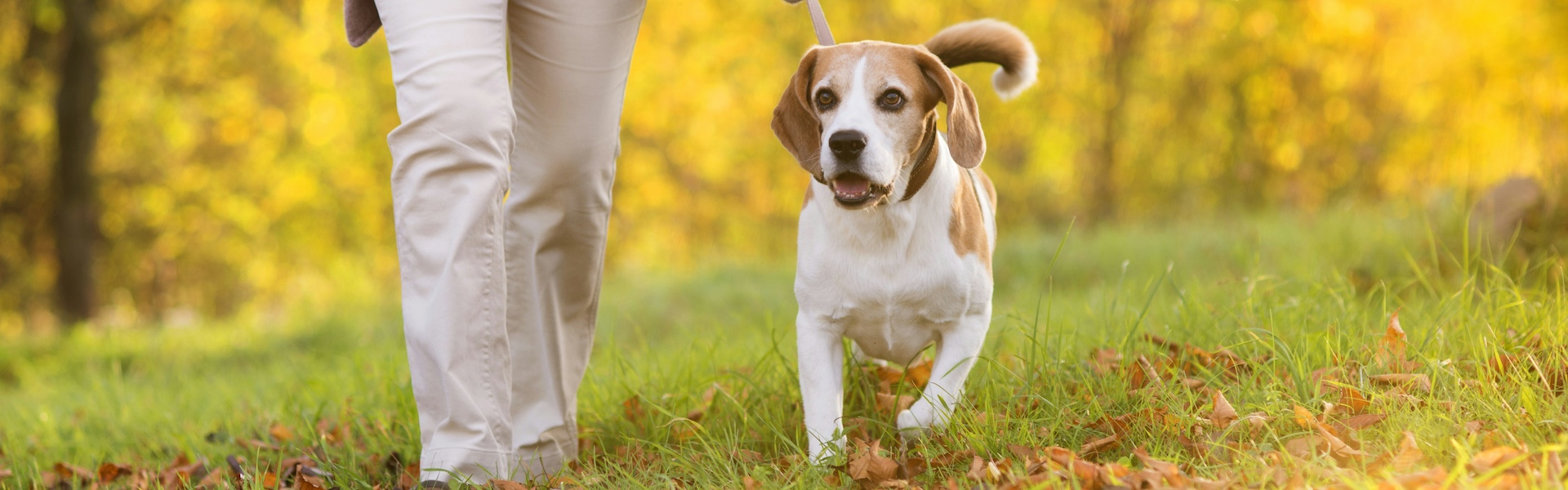
Nothing beats exploring the great outdoors with your four-legged friend. Whether you’re planning a gentle countryside stroll, a rugged mountain hike or a playful day at the beach, proper preparation will ensure your dog walking adventures are safe, enjoyable and stress-free. Here’s how to get your canine companion ready for every terrain and season.
Fitness conditioning
Before tackling long distances or challenging trails, build your dog’s stamina gradually. Start with regular short walks, increasing duration by around 10% each week. Incorporate varied terrain (grass, gravel and gentle inclines) to strengthen muscles and joints. Games of fetch, agility drills or swimming sessions can also boost cardiovascular fitness without overloading bones. Always monitor for signs of fatigue, limping or excessive panting, and consult your vet if you’re unsure about your dog’s fitness level.
Choose safe hiking gear
The right equipment keeps your dog comfortable and protected.
- Boots: Canine hiking boots shield paws from sharp stones, hot sand and brambles. Look for adjustable straps and breathable materials.
- Jackets: Waterproof, lightweight jackets guard against wind, rain and early-morning dew. Reflective trims improve visibility in low light.
- First-aid kit: Pack a canine first-aid kit with antiseptic wipes, sterile gauze, paw balm, tick remover and medical tape. Make sure to learn how to apply basic bandages and treat minor wounds.
Develop navigation skills
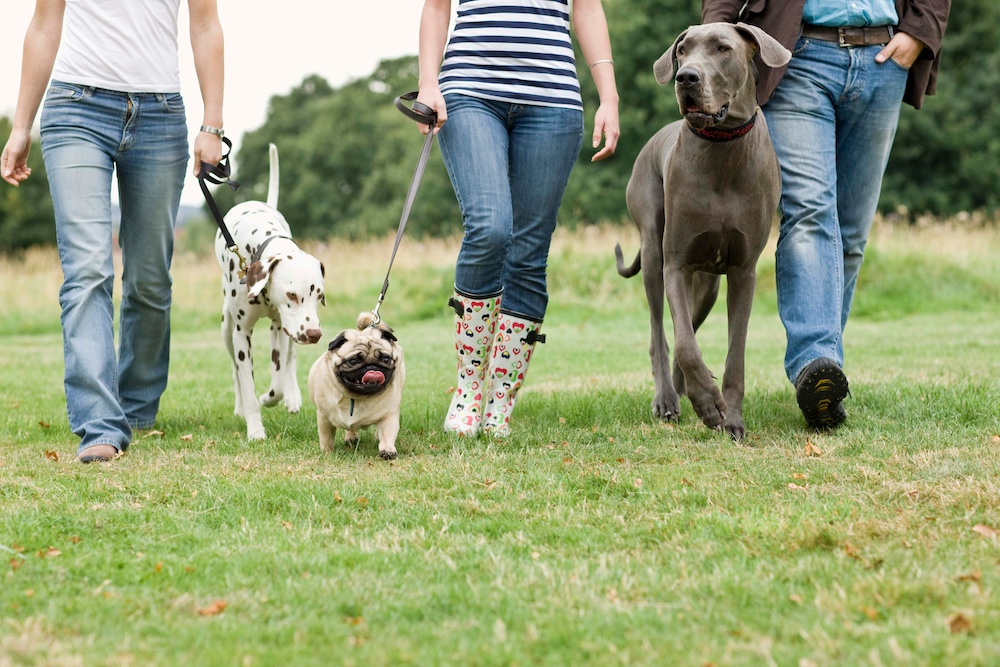
Even the most obedient dog can wander off when excitement takes over. Keep control and stay on course by following the tips below.
- Training reliable recall: Practice “come” commands in safe, enclosed spaces before venturing into open countryside. Reward consistency with treats or praise.
- Using GPS devices: Attach a lightweight tracker to your dog’s collar to monitor location in real time, which is especially handy in dense woods or misty conditions.
- Reading maps together: Teach your dog to wait at junctions or rest points while you check your route, reinforcing commands like “sit” or “stay” to maintain safety.
Cultivate wildlife awareness
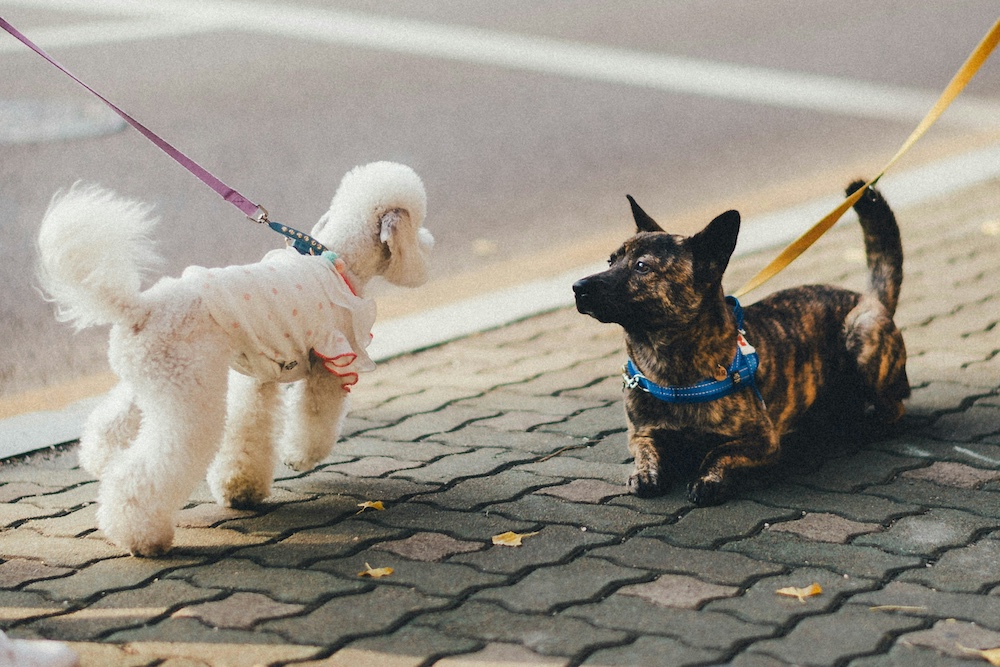
Respect local ecosystems to keep your dog (and native wildlife) safe.
- Research local fauna: Learn which animals you might encounter (sheep, deer, ground-nesting birds) and keep your dog on a lead or under voice control in sensitive areas.
- Avoid hot weather hazards: In summer, walk early or late to avoid heatstroke. Watch for overheating signs (drooling, frantic panting or weakness) and carry water for frequent breaks.
- Prevent encounters with pests: Use vet-approved flea, tick and worm treatments. Check your dog for ticks after each walk and remove any immediately.
Plan for beach days and camping trips
Dog walking by the sea or under the stars calls for extra considerations.
- Sun protection: Apply pet-safe sunblock to exposed areas, and pack a collapsible water bowl to keep your dog hydrated.
- Safe swimming: Introduce water gradually, fit a buoyant life jacket for strong currents, and rinse off salt or chlorine after swimming.
- Camping comfort: Bring a cosy, elevated bed to insulate against cold ground and secure food in wildlife-proof containers.
With the right training, gear and respect for nature, your dog walking adventures will be memorable for all the right reasons. From building fitness to mastering navigation and protecting local wildlife, these practical tips ensure every outdoor excursion is a tail-wagging success.
