


The Hidden Signs of Hypothyroidism
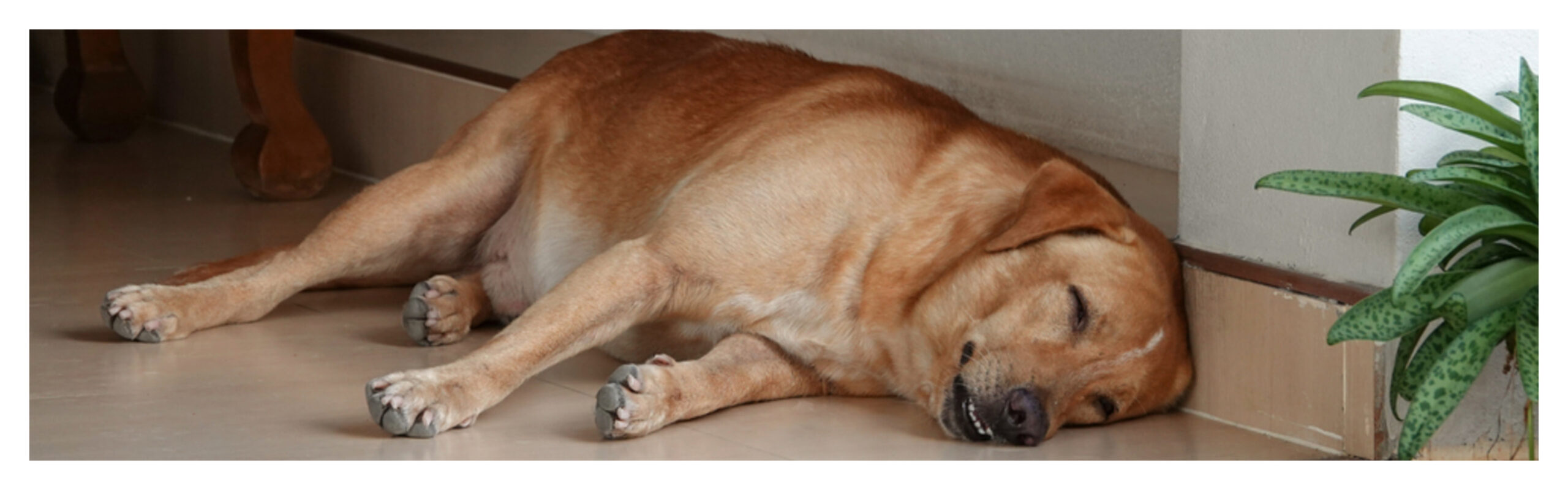
Has your once-energetic dog suddenly lost interest in walks or playtime? Thyroid problems in dogs are surprisingly common, yet many pet owners overlook the early signs because they mistake them for normal ageing.
Hypothyroidism (also called underactive thyroid) affects middle-aged dogs most frequently, typically around 6-7 years of age. The condition may be more common in spayed females and neutered males. When your dog’s thyroid gland doesn’t produce enough essential hormones, it can’t properly regulate their metabolism. The symptoms can be quite subtle initially—weight gain without increased appetite, constant tiredness, and reluctance to exercise are amongst the most common signs.
Certain breeds appear more susceptible to developing underactive thyroid. Golden Retrievers, Dobermans, Poodles, and Great Danes are particularly at risk. Despite this increased risk in specific breeds, hypothyroidism often goes undiagnosed because many owners assume their pet is simply “slowing down” with age. Once properly identified though, this hormonal condition can be effectively managed with daily medication that replaces the missing thyroid hormones.
The thyroid gland produces hormones that control how quickly your dog’s body converts food into energy. When this system fails, it affects virtually every organ in your dog’s body (which explains why the symptoms can seem so varied and confusing).
This guide will help you recognise both obvious and hidden signs of thyroid problems in your dog, understand what causes this common condition, and learn when it’s time to consult your vet.
What does the thyroid gland do?
The thyroid gland might be small, but its impact on your dog’s overall health is enormous. Located in your dog’s neck near the larynx, this butterfly-shaped gland serves as a master regulator for numerous bodily functions.
The thyroid’s main job
Your dog’s thyroid works as a metabolic control centre, producing hormones that influence virtually every organ system. The main hormones—thyroxine (T4) and triiodothyronine (T3)—act like internal thermostats, regulating how quickly your dog’s body converts food into energy. These powerful chemical messengers control:
- The rate at which cells function
- Body temperature and heart rate
- Proper brain development
- Healthy skin and coat condition
- Reproductive functions
The thyroid doesn’t work alone though. It’s part of a complex feedback system involving the pituitary gland in the brain, which monitors hormone levels and signals the thyroid to increase or decrease production as needed.
How low thyroid affects your dog’s body
When your dog’s thyroid becomes underactive, the production of these essential hormones drops significantly. This slowdown creates a cascade effect throughout your dog’s body.
Their metabolism decreases dramatically. Think of metabolism as your dog’s internal engine—with hypothyroidism, that engine essentially downshifts to a much lower gear. Your dog burns fewer calories even whilst maintaining the same food intake, which explains the weight gain often seen with thyroid problems.
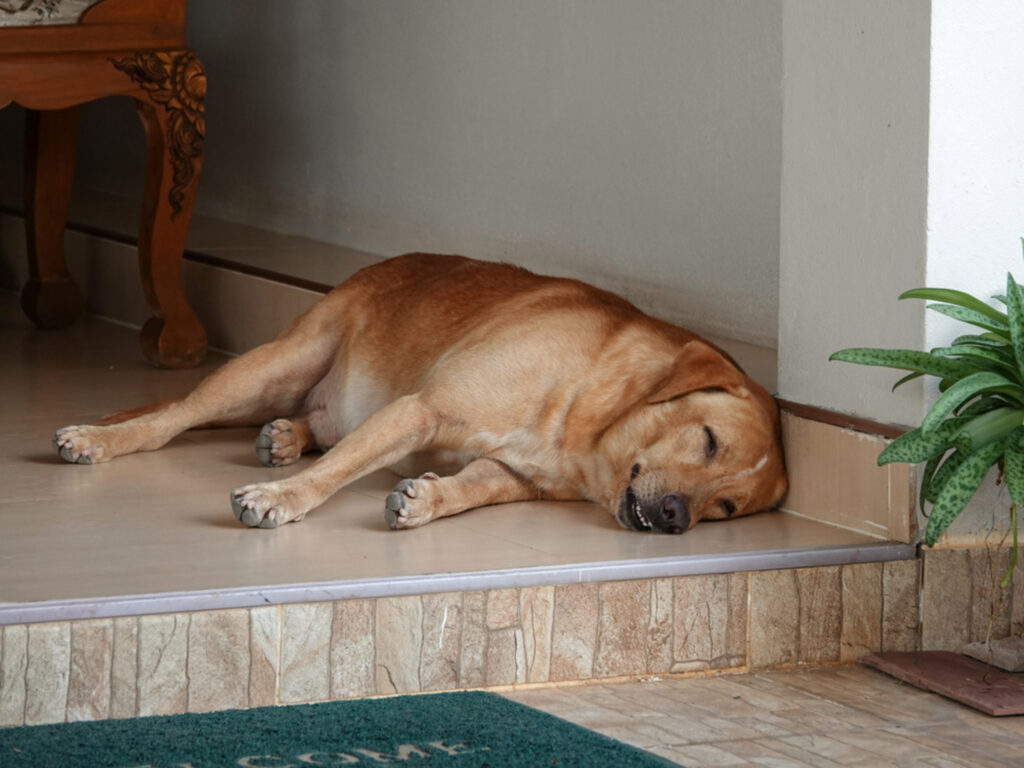
Low thyroid levels also profoundly affect your dog’s energy production. Cells throughout the body simply don’t receive the signal to convert nutrients into energy efficiently. Your previously playful companion might seem perpetually exhausted or uninterested in activities they once enjoyed.
This metabolic slowdown affects body temperature regulation as well. Many dogs with hypothyroidism seek out warm spots and appear unusually sensitive to cold. Their circulation becomes less efficient, particularly noticeable in the extremities.
The thyroid’s influence extends far beyond simple energy regulation—it affects virtually every system in your dog’s body. This explains why untreated hypothyroidism can lead to such diverse and sometimes subtle symptoms.
What causes low thyroid in dogs?
More than 95% of hypothyroidism cases in dogs stem from two primary conditions affecting the thyroid gland itself. Understanding these causes can help you recognise potential risk factors for your pet and know when to seek veterinary advice.
Lymphocytic thyroiditis
Lymphocytic thyroiditis stands as the most common cause of hypothyroidism in dogs. This condition occurs when your dog’s immune system mistakenly identifies the thyroid gland as foreign tissue and launches an attack against it. During this immune response, lymphocytes, plasma cells, and macrophages infiltrate the thyroid tissue, progressively destroying the hormone-producing follicles and causing secondary fibrosis.
Vets aren’t entirely certain why this immune system malfunction happens, but genetics clearly plays a significant role. Lymphocytic thyroiditis is a heritable trait, which explains why certain breeds show higher susceptibility. This condition accounts for more than 50% of canine hypothyroidism cases. The progression from subclinical thyroiditis to full hypothyroidism tends to be quite slow and gradual.
Idiopathic thyroid atrophy
The second major cause is idiopathic thyroid atrophy, characterised by the replacement of normal thyroid tissue with fat tissue. The term “idiopathic” means that the exact mechanism remains poorly understood by veterinary medicine. Essentially, the thyroid gland shrinks or deteriorates over time and gradually stops producing sufficient hormones.
These two conditions together account for more than 90% of hypothyroidism cases in dogs.
Other rare causes: tumours, medications, congenital issues
Beyond the two main causes, several less common factors can lead to low thyroid function:
Medications – Certain drugs can interfere with thyroid function:
- Glucocorticoids and phenobarbital
- Sulfa-containing antibiotics, which can cause reversible hypothyroidism
- Carprofen, opioids, and some NSAIDs.
Congenital issues – Rare instances where dogs may be born with underdeveloped thyroid glands or inability to process iodine properly
Tumours – Thyroid cancer can disrupt normal hormone production, though this remains uncommon.
Secondary hypothyroidism – This rare form typically results from pituitary gland disorders rather than thyroid issues directly
Specific breeds show higher predisposition to developing hypothyroidism, including Golden Retrievers, Doberman Pinschers, Irish Setters, Miniature Schnauzers, Dachshunds, Cocker Spaniels, and Airedale Terriers.
What are the symptoms of thyroid problems in dogs?
Detecting thyroid problems in your dog can be challenging because symptoms typically develop gradually over time. The destruction of thyroid tissue progresses slowly, making early signs easy to miss until the condition has advanced considerably.
Visible signs: weight gain, hair loss, skin infections
The most noticeable indication of hypothyroidism is unexplained weight gain despite no changes in food intake (or even with decreased appetite). Your dog may simultaneously become lethargic, showing reduced stamina and unwillingness to exercise.
The coat often reveals telling signs as well. Look for:
- Hair loss, especially on both sides of the body, trunk, tail base, and sometimes ears
- A dull, dry, brittle coat that breaks easily
- “Rat tail” appearance due to hair thinning at the tail
- Bald areas around the collar or neck region
Skin problems frequently accompany these changes. Flakiness, excessive oiliness, recurring infections, and darkening or thickening of skin occur, particularly in areas of friction such as armpits or groin.
Less obvious signs: mood changes, cold intolerance, dry eyes
Beyond the visible symptoms, subtler signs often go unnoticed. Many dogs with thyroid issues show behavioural changes such as mental dullness, decreased interactions with people and other dogs, or reduced play behaviours. Dogs may exhibit unusual irritability or even unprovoked aggression in certain cases.
Cold intolerance is another common indicator—you might observe your dog seeking warm places more frequently or shivering in environments that previously caused no discomfort.
Eye-related issues include dry eye (keratoconjunctivitis sicca), characterised by thick, sticky discharge, redness, and irritation. Some dogs develop fat deposits in the corneas and reduced tear production.
When symptoms are mistaken for ageing
Thyroid symptoms are commonly misinterpreted as normal ageing because of their gradual onset. Owners often attribute decreased energy, weight gain, and behavioural changes to their dog “simply slowing down.” This misconception can delay diagnosis, especially when hypothyroidism typically emerges in middle-aged dogs (4-10 years old).
What distinguishes thyroid issues from normal ageing is the combination of multiple symptoms affecting different body systems. Metabolic, dermatological, neurological, and behavioural changes occurring together warrant veterinary attention (don’t dismiss these changes as simply part of getting older).
What to do if you suspect hypothyroidism
Your dog’s health shouldn’t be left to chance if you’re noticing signs of an underactive thyroid. Thyroid problems in dogs can worsen over time, so taking prompt action is essential.
When to contact your vet
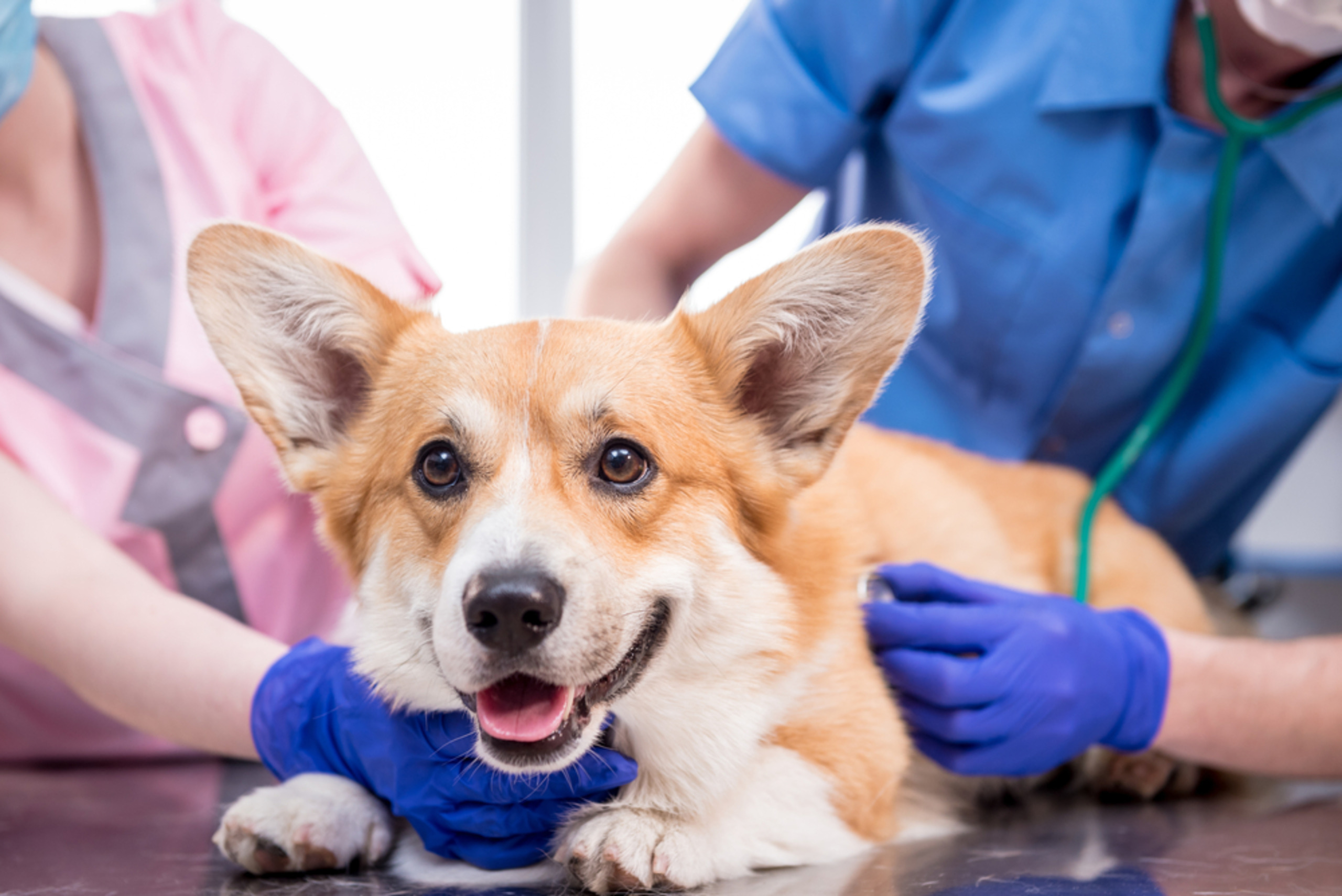
Book a veterinary appointment if you notice multiple symptoms together—unexplained weight gain, lethargy, coat changes, and cold sensitivity are key warning signs. Thyroid issues can mimic other conditions, which is why professional assessment is crucial for accurate diagnosis. Don’t be afraid to seek a second opinion if you’re not comfortable with the first assessment.
Schedule an appointment immediately if your dog shows severe lethargy or significant behavioural changes.
What to expect during diagnosis
Your vet will start by examining your dog for physical signs of hypothyroidism. Blood tests will then be necessary to confirm the diagnosis. These typically include:
- Total T4 (thyroxine) measurement – useful as a screening test
- Free T4 by equilibrium dialysis – more reliable for definitive diagnosis
- TSH (Thyroid Stimulating Hormone) levels – often high with hypothyroidism
Your vet might also run general blood tests to rule out other conditions that could affect thyroid levels.
Importance of early detection
Early diagnosis prevents symptoms from getting worse and stops complications from developing. Approximately 75% of the thyroid gland must be non-functional before abnormalities appear on standard bloodwork. This explains why hypothyroidism often goes undiagnosed for years.
The good news is that dogs with well-managed hypothyroidism have an excellent prognosis and normal life expectancy once proper treatment begins. Most dogs show remarkable improvement within weeks of starting treatment.
Thyroid problems can significantly impact your dog’s quality of life, yet they often remain hidden behind symptoms mistaken for normal ageing. Recognising the subtle signs —weight gain despite unchanged eating habits, lethargy, coat changes, and cold sensitivity— allows for timely veterinary intervention and treatment options are highly effective. Daily medication can restore your dog’s hormone levels, returning their energy, healthy weight, and vibrant coat.
Don’t be afraid to seek veterinary advice if you notice multiple symptoms occurring together—thyroid issues can mimic other conditions, so professional assessment is essential for accurate diagnosis.
Disclaimer: The contents of Itsadogz.life website are for informational and educational purposes only and should NOT replace professional Veterinary Advice. Always consult a qualified Veterinarian regarding your dog’s health and any concerns you may have.
Neither the owners nor creators of this site are engaged in providing veterinary medical services via this site and assume no responsibility for any consequence relating directly or indirectly to any action you take or do not take based on the information, services, products, or other materials provided on this site.
