



The Hungarian Vizsla
Historical Background
The Hungarian Vizsla, often simply called the Vizsla, has a storied history that dates back to the Magyar tribes who settled in the Carpathian Basin around the 9th century. Revered as a hunting companion, the Vizsla’s keen scenting ability and agility made it an invaluable asset in tracking and retrieving game. Over the centuries, this breed has evolved, but it still retains the same noble characteristics that made it a favourite among Hungarian nobility. Its historical roots are intertwined with tales of loyalty and utility, reflecting the Vizsla’s enduring bond with humans.
Description and Group Classification
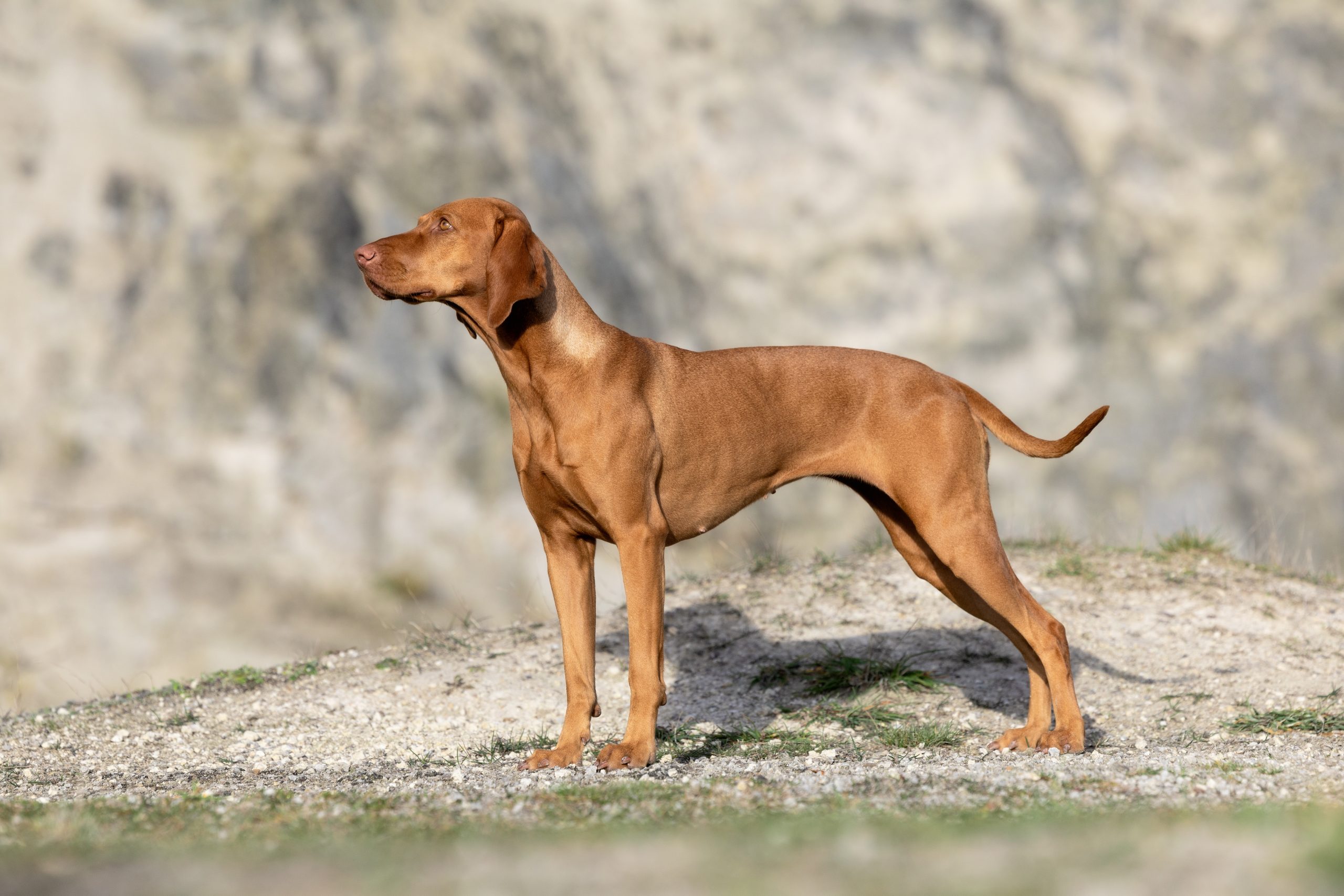
The Hungarian Vizsla is classified within the Gundog group, a designation that underscores its prowess in hunting and retrieving. This group is known for breeds that exhibit exceptional agility and sensory perception, qualities that the Vizsla embodies. The breed is distinguished by its sleek and muscular build, which aids in its stamina and agility, making it an ideal companion for outdoor activities.
Suitability to Various Lifestyles and Family Dog
Vizslas are adaptable to a range of lifestyles, but they particularly thrive in active households. They make excellent family pets due to their gentle and affectionate nature, often forming deep bonds with children. However, they may not be ideal for families with very young children, given their exuberant energy levels. Vizslas are also well-suited to single owners or couples who can devote time to their exercise and companionship needs.
Ideal Home Environment
While Vizslas can adapt to both town and country living, they flourish in environments where they have space to run and explore. A secure garden is ideal for allowing them freedom and exercise. Urban dwellers must ensure access to parks or open spaces for regular exercise. The Vizsla’s adaptable nature means it can adjust to indoor living, provided it receives sufficient outdoor activity.
Training Requirements
Training a Vizsla requires patience and consistency, leveraging their intelligence and eagerness to please. Positive reinforcement methods work best, as harsh corrections can damage their sensitive nature. Early socialisation is crucial to develop their confidence and adaptability. Incorporating varied training exercises can keep them mentally stimulated and prevent boredom.
Size and Colours
The Vizsla is a medium-sized dog, typically weighing between 20 to 30 kilograms and standing at 53 to 64 centimetres at the shoulder. Its coat is short and dense, offering a striking golden rust colour, a signature trait that adds to its elegance. This unique hue is both eye-catching and practical, blending well with natural surroundings during hunting.
A Vizsla typically enjoys a lifespan of 10 to 14 years.
Temperament and Personality Traits
The Vizsla is renowned for its affectionate and gentle nature. It thrives on human companionship, displaying a loyal and sociable demeanour. This breed is intelligent and eager to please, often forming strong bonds with its family members. Despite their active nature, Vizslas are known for their calm disposition within the home, provided they receive adequate exercise.
Vizslas are energetic dogs that require ample physical and mental stimulation. Daily exercise of at least an hour is essential, incorporating walks, playtime, and engaging activities like fetch or agility training. They excel in canine sports, where their agility and speed can shine.
Vizslas are relatively low maintenance in terms of grooming. Their short coat requires regular brushing to remove loose hair and maintain its sheen. Bathing is necessary only occasionally, as they are generally clean dogs. Regular ear checks and nail trims should also be part of their grooming routine to ensure their overall well-being.
Health
Like all breeds, Vizslas are prone to certain health issues. These may include hip dysplasia, epilepsy, and certain heart conditions. Regular veterinary visits and maintaining a healthy diet and lifestyle can mitigate many potential health problems. Responsible breeding practices have also helped in reducing the prevalence of genetic issues.
In caring for a Hungarian Vizsla, one must balance the breed’s need for physical activity with its desire for companionship. They are not just pets but partners, offering affection and loyalty in abundance. Whether living in a bustling town or a serene countryside, the Vizsla’s spirit and grace are sure to enrich any household.
