


Happy Tail Syndrome
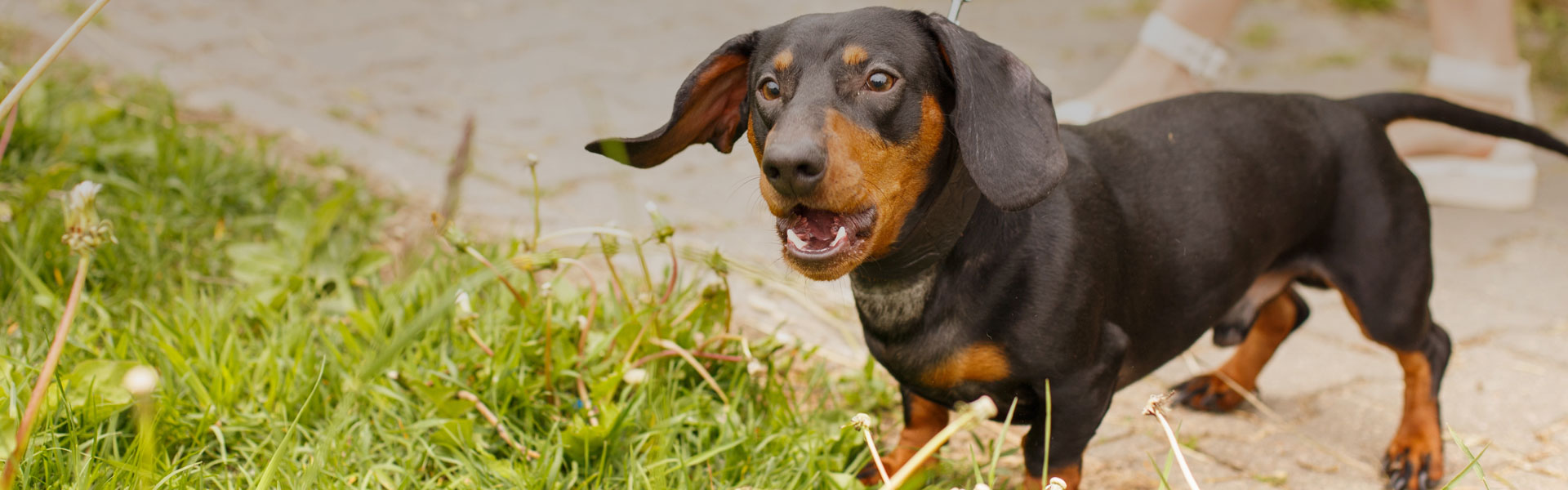
Welcome to our feature on Happy Tail, here we will explain what it is and what it means. We all love being welcomed home by a tail wagging dog, but when does the tail constantly wagging become a problem? The answer is when you have a dog with happy tail syndrome, While the name sounds fun, unfortunately, it can be quite a serious condition. Happy tail is where your dog is constantly wagging their tail and it collides with its surroundings such as walls and cupboards.
It is the tail ricocheting off the surrounding furniture and walls that damages the skin causing cuts and bleeding. The tail is very easily damaged due to the skin covering the 5-12 vertebrae being very thin. Once the skin has been damaged, it can take up to a month or longer to heal because of the constant wagging.
Generally, the first thing the owner notices before seeing the tail injury itself is the blood splatter where the dog has been standing and wagging, often on the corner of walls, on door frames, or on radiators.
Treatment
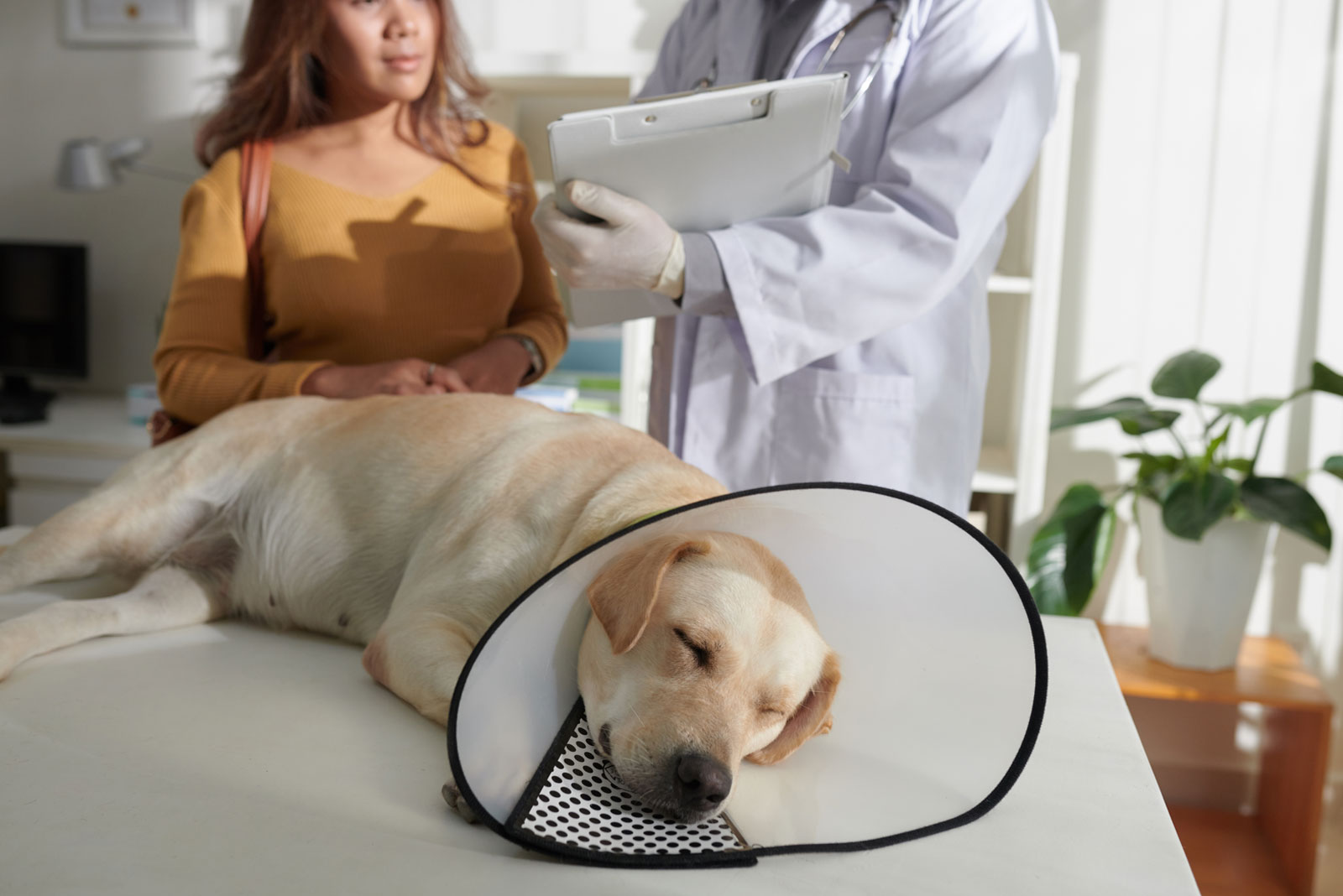
So what is the treatment for happy tail? It is very doubtful your dog will stop wagging until the tail is healed, so it’s a case of trying to protect the tail whilst it heals to prevent further damage with the potential of infection.
The vet will wrap the tail to offer some protection, sometimes if your dog is also licking the injury then something like the Elizabethan collar (or as we all call them the ‘cone of shame’) to prevent your dog from getting to their tail. Your vet will be the best one to advise you on what to try and will show you how to wrap the tail, too tight and the blood supply will be cut off and that part of the tail will die. Too loose and the tail will not have any added protection whilst it heals.
If the tail doesn’t heal properly on its own, then some vets may stitch the wound or in severe cases when the tail doesn’t heal at all and is constantly being reopened then your vet may consider amputation of the damaged part of the tail.
Happy tail generally occurs in short-haired dogs with a long tail, dogs with a shorter tail or curled tail don’t tend to get happy tail because their tails don’t collide with the walls, radiators, and doorways, long-haired dogs also tend to avoid getting happy tail because they have a lot more cushioning on their tail so avoid damaging it on any surrounding objects.
Disclaimer: The contents of Itsadogz.life website are for informational and educational purposes only and should NOT replace professional Veterinary Advice. Always consult a qualified Veterinarian regarding your dog’s health and any concerns you may have.
Neither the owners nor creators of this site are engaged in providing veterinary medical services via this site and assume no responsibility for any consequence relating directly or indirectly to any action you take or do not take based on the information, services, products, or other materials provided on this site.
