


Shedding, walks and routines
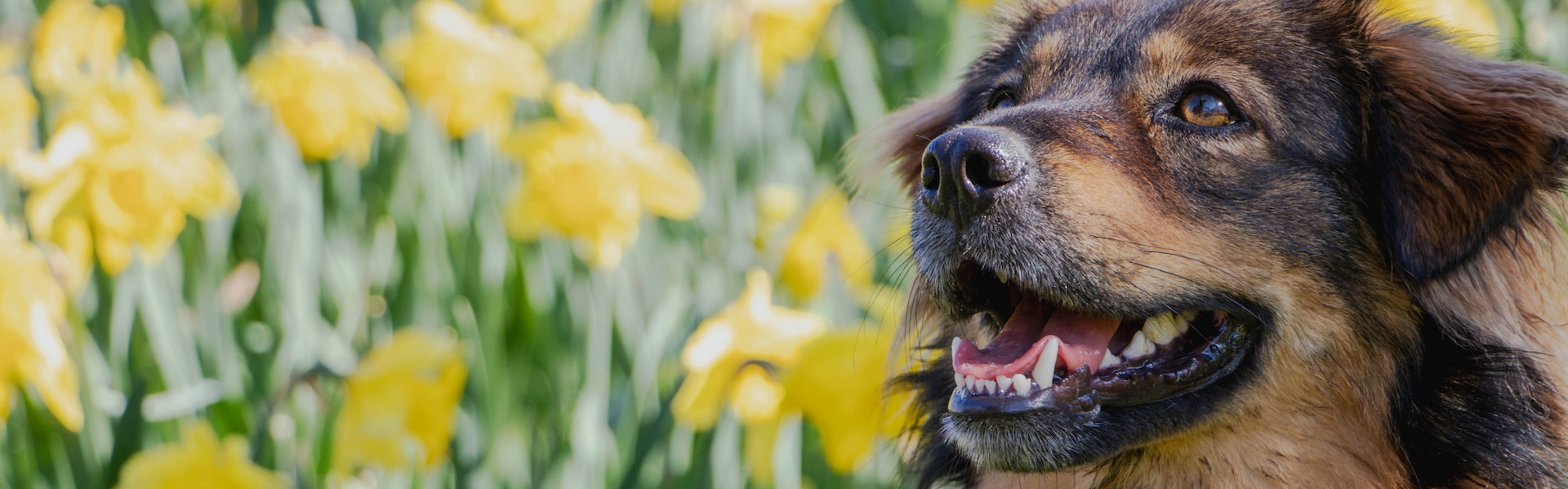
As winter begins to loosen its grip and the days slowly get brighter, many dog owners start to notice subtle changes in behaviour, energy levels and coat condition. Dogs in spring don’t suddenly flip a switch, but this seasonal shift can affect everything from how much they shed to how keen they are for longer walks.
Early spring is the perfect time to make small, sensible adjustments that help your dog transition comfortably from colder months into a more active season.
Why dogs change as spring approaches
Dogs are highly responsive to daylight and temperature changes. As daylight increases, hormones linked to alertness and activity start to shift. You may notice your dog becoming more energetic, more curious on walks, or even a little restless indoors.
This is completely normal. Spring encourages movement, exploration and mental stimulation, even before the weather fully warms up.
Mental stimulation matters
Spring brings more sights, smells and sounds, which can be exciting but also overstimulating. Balancing physical activity with mental enrichment is key.
Simple ideas include:
- Scent games indoors or in the garden
- Puzzle feeders to slow down mealtimes
- Short training refreshers to reinforce focus
Mental engagement can be just as tiring as a long walk and is particularly helpful during unpredictable weather days.
Shedding season: What to expect
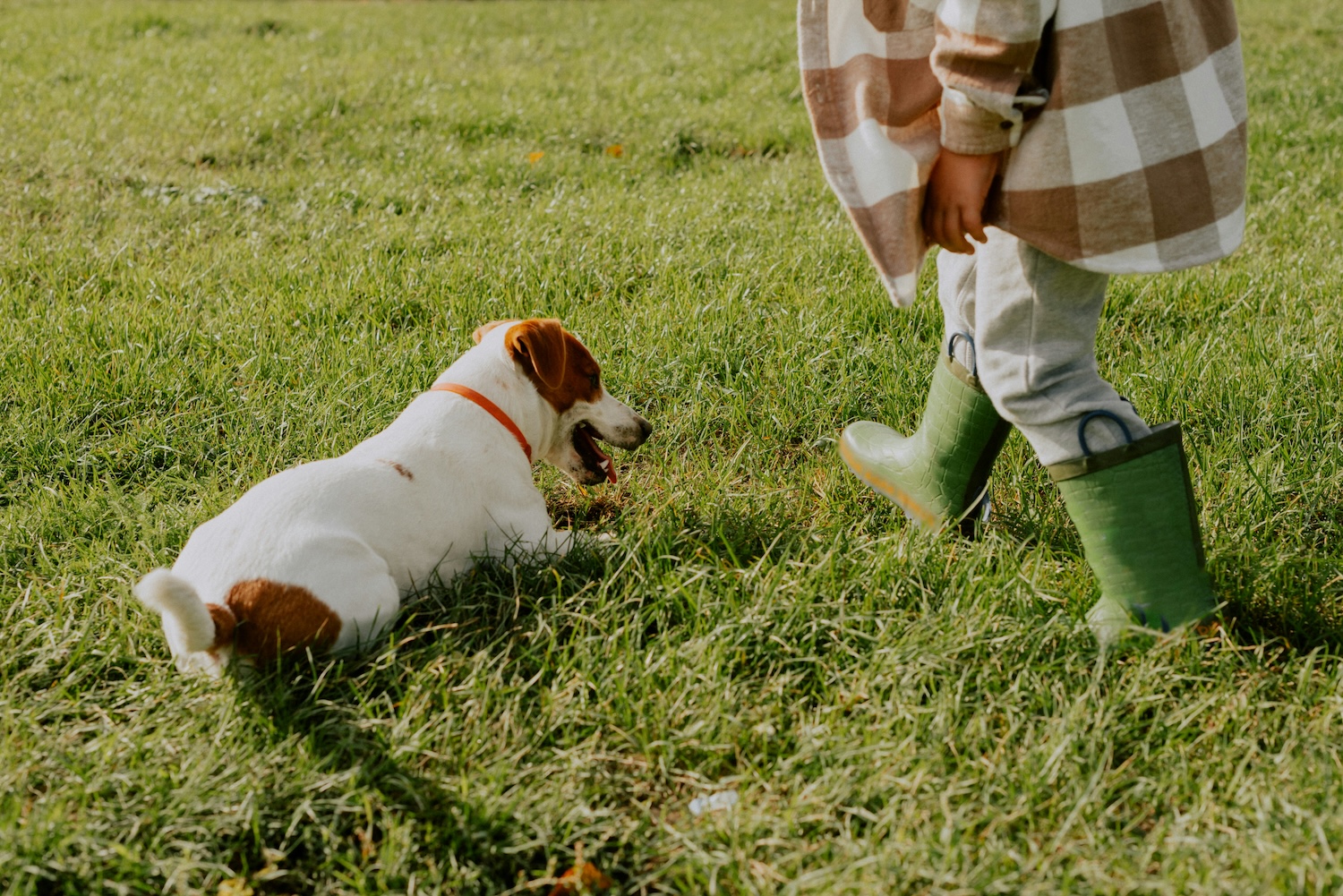
One of the most obvious signs of dogs in spring is shedding. Many dogs begin to lose their thicker winter coat as their bodies prepare for warmer temperatures.
What helps:
- Brush little and often to remove loose hair before it spreads around the house
- Use grooming sessions as calm bonding time rather than a chore
- Check for dry skin after winter heating and cold air
You don’t need to over-groom. Consistency is more important than intensity, especially in early spring when shedding can come and go.
Spring health checks at home
Early spring is a good time to take stock of your dog’s overall wellbeing after winter.
Check:
- Coat condition and skin health
- Weight changes from reduced winter activity
- Nails, which may have grown longer with fewer long walks
Catching small issues early can prevent discomfort as activity levels increase.
Adjusting walks for changing weather
Early spring weather can be unpredictable. Cold mornings, warmer afternoons and sudden showers are all part of the transition.
A few simple tweaks can help:
- Walk earlier in the day if afternoons become warmer
- Keep coats or waterproofs handy for damp mornings
- Watch for muddy paths and slippery surfaces
Dogs often have more energy during this period, but it’s still important to build activity levels gradually, particularly for older dogs or those who were less active over winter.
Refreshing routines gently
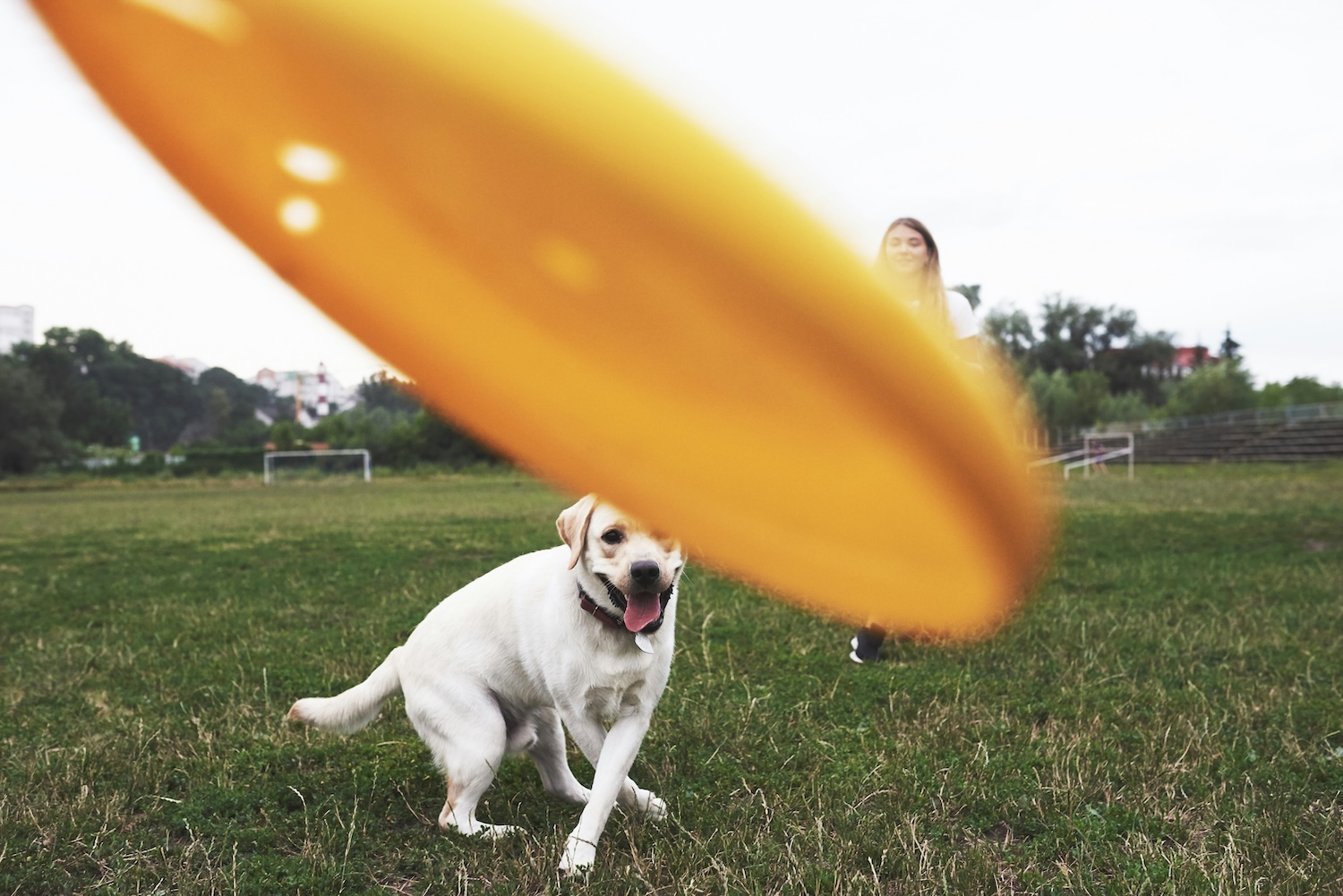
Winter routines often revolve around shorter walks and more indoor time. As spring approaches, dogs may benefit from gentle changes rather than sudden increases.
Consider the following:
- Adding an extra short walk instead of extending one long walk
- Introducing new routes to keep walks mentally engaging
- Shifting mealtimes slightly if your dog’s energy patterns change
Dogs thrive on routine, so gradual adjustments help them to feel secure while adapting to the season.
Keeping paws and joints comfortable
Cold, damp conditions can linger well into spring, which may affect joints and paws, especially for older dogs.
Things to watch for:
-
Stiffness after resting
-
Hesitation on walks
-
Licking paws more than usual
Gentle warm-ups before walks and keeping paws clean and dry after outings can make a noticeable difference.
Making the most of lighter days
One of the best things about dogs in spring is the return of lighter evenings. Even if temperatures stay cool, the extra daylight can improve mood for both dogs and owners.
Use this time to:
- Enjoy calmer evening walks
- Spend relaxed time outdoors together
- Rebuild routines that felt difficult during darker months
Spring doesn’t need to be rushed. Small changes, made thoughtfully, can help your dog feel confident, comfortable and ready for the months ahead.
