



The German Shorthaired Pointer
Historical Background
The German Shorthaired Pointer (GSP) boasts a rich history, tracing back to the 19th century in Germany. Developed as a versatile hunting dog, the breed was crafted by crossing various breeds, including the Spanish Pointer, Bloodhound, and English Pointer, among others. The aim was to create a dog capable of excelling in different types of hunting, both on land and in water. Their adaptability and keen sense of smell have long made them treasured companions for hunters, embodying a blend of endurance, speed, and intelligence.
Description and Group Classification
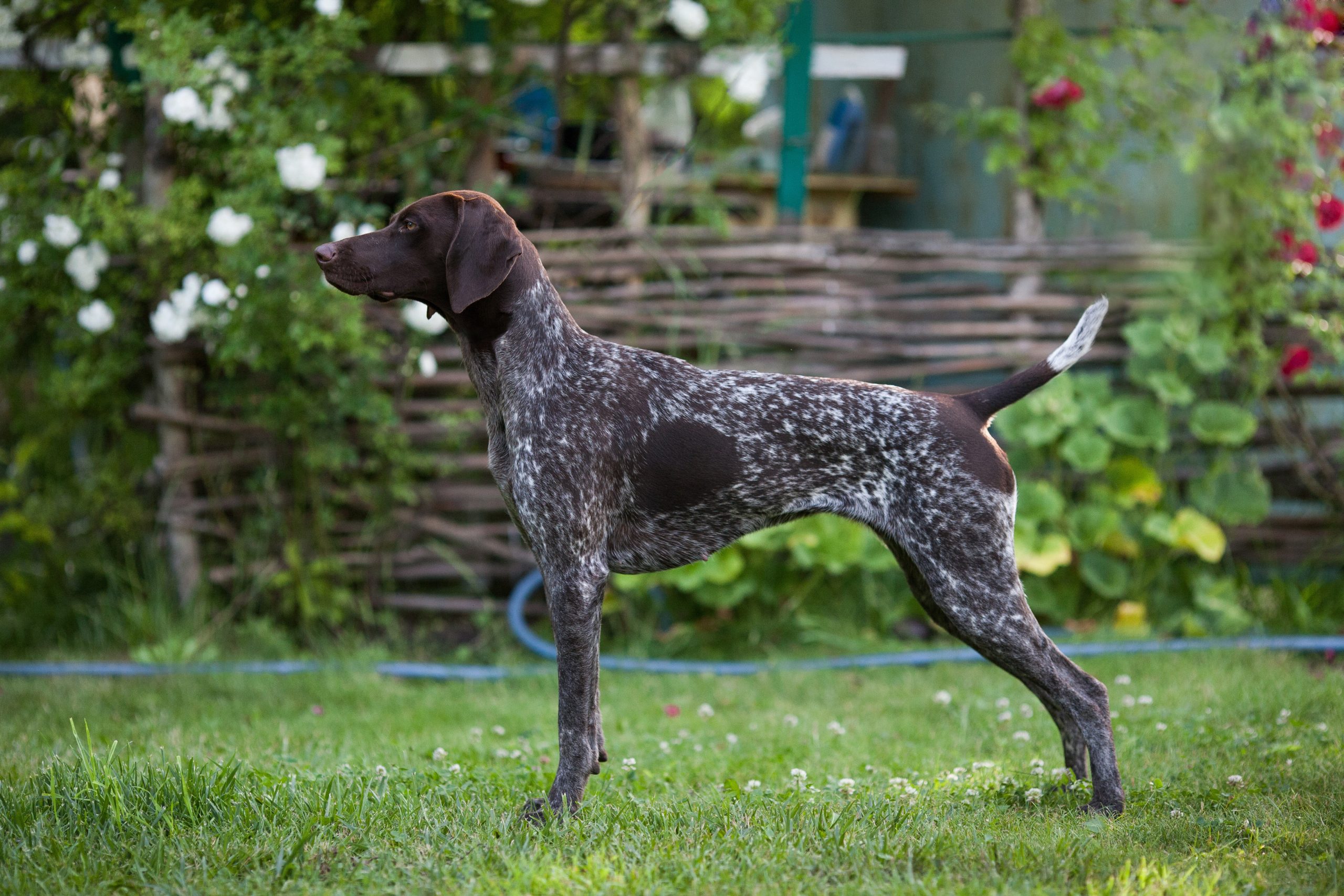
The GSP is an elegant, medium to large-sized dog known for its athletic build and poised demeanour. It falls under the Gundog group in the UK, highlighting its heritage as a hunter. With a graceful outline, it combines power with agility, making it a remarkable specimen both in the field and at home.
Suitability to Various Lifestyles and Family Dog
German Shorthaired Pointers are best suited to active households where they can be a part of family activities. They are generally good with children and can adapt to various family dynamics, provided they receive adequate exercise and mental stimulation. However, they might not be ideal for homes with small pets, due to their strong prey drive.
Ideal Home Environment
The ideal home for a GSP is one that offers ample space to roam and explore. While they can adapt to town living, a home with a secure, large garden is preferable. They are more suited to country living, where they have the freedom to indulge their instinctual love for running and exploring.
Training Requirements
Training a GSP requires consistency, patience, and positive reinforcement. Their intelligence and eagerness to learn make them responsive to training, but early socialisation is key. Engaging them in training sessions that challenge their mind and body can prevent boredom. It’s essential to keep sessions fun and varied to maintain their interest. They excel at gundog training (even if your GSP is not going to work) and scent training.
Breed Size and Colours
Typically, GSPs stand between 58 to 64 cm at the shoulder for males and slightly smaller for females. Their weight ranges from 25 to 32 kg. The breed is adorned with a short, sleek coat that comes in a variety of colours, predominantly liver (brown) or liver and white. The coat can display solid liver, liver roan, or liver and white with spots, ticked, spots and ticked, solid black, black and white spots, blacked and white ticked or ticked and spots.
With proper care, the German Shorthaired Pointer generally enjoys a lifespan of 12 to 14 years, though some may live even longer. Regular veterinary check-ups, a balanced diet, and ample exercise contribute to their longevity.
Temperament and Personality Traits
GSPs are known for their lively and affectionate nature. They are intelligent, eager to please, and deeply loyal, making them excellent companions for active families. Their energetic disposition requires an outlet, as they can become bored and mischievous if under-stimulated. These dogs thrive on companionship and often form strong bonds with their human family.
Exercise is crucial for a German Shorthaired Pointer’s well-being. They require at least one to two hours of vigorous activity daily. This can include walks, runs, or play sessions. Being natural hunters, they also excel at activities like agility, obedience, and field trials. Their love for water makes swimming an excellent exercise option.
The grooming needs of a GSP are relatively low, thanks to their short coat. Regular brushing, at least once a week, helps keep their coat healthy and shiny, and reduces shedding. Routine care, such as nail trimming, ear cleaning, and dental hygiene, should also be part of their grooming routine.
Health
Like all breeds, GSPs are prone to certain health issues. These can include hip dysplasia, epilepsy, and certain eye conditions. Bloat, or gastric torsion, is another concern given their deep chest. Regular health screenings and maintaining a healthy weight through proper diet and exercise can help mitigate some of these risks.
In summary, the German Shorthaired Pointer is a spirited and devoted companion for those who lead an active lifestyle. With proper care, training, and an environment that caters to their needs, they can be a delightful addition to the family.
