


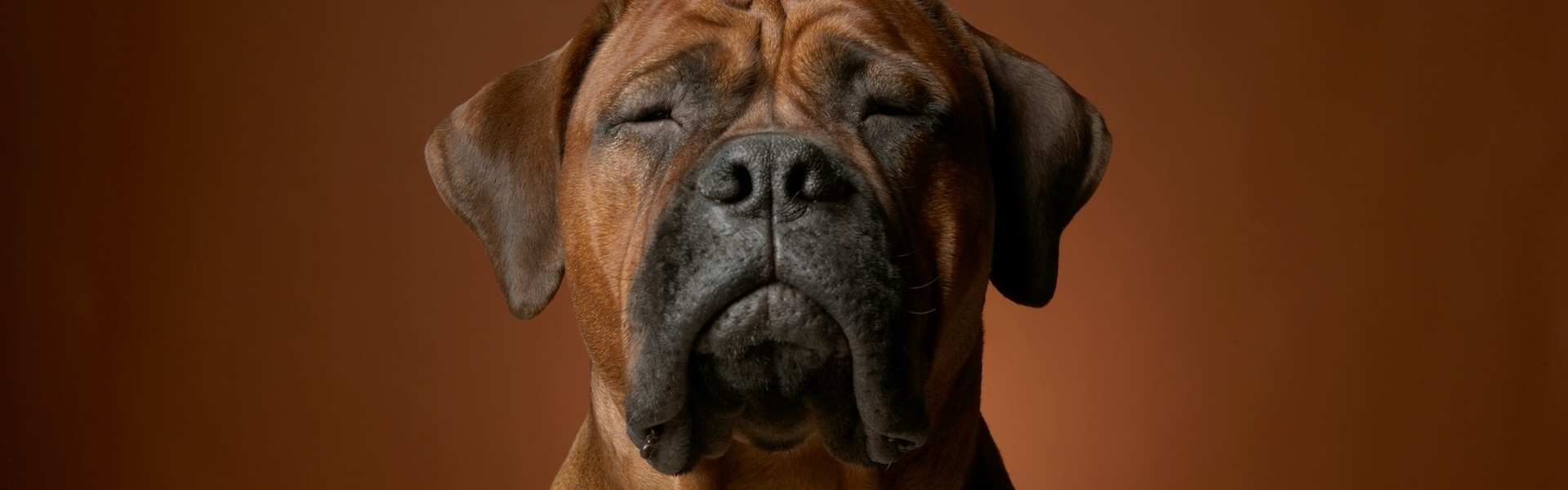
How to spot stress, anxiety or overstimulation in dogs
Dogs can’t tell us when they’re feeling overwhelmed, anxious or uncomfortable, but they do communicate it in other ways. The challenge for owners is recognising the signs early, before stress in dogs turns into behaviour problems or health issues.
Not all dog stress looks dramatic. In fact, many of the most common signals are subtle and easy to miss, especially if they’re mistaken for excitement or “bad behaviour”.
Why dogs experience stress
Dogs can become stressed or overstimulated for lots of reasons, including:
- Loud or unpredictable environments
- Too much social interaction
- Changes to routine
- Lack of rest
- Boredom or under-stimulation
- Pain or discomfort
Early signs of stress in dogs
Some of the clearest indicators of stress in dogs appear long before growling, snapping or destructive behaviour.
Common early signs include:
- Excessive yawning when not tired
- Lip licking or tongue flicking
- Turning their head away or avoiding eye contact
- Slow, stiff movements
- Sudden scratching or sniffing
These are often called calming signals. They’re your dog’s way of saying, “I’m not comfortable with this.”
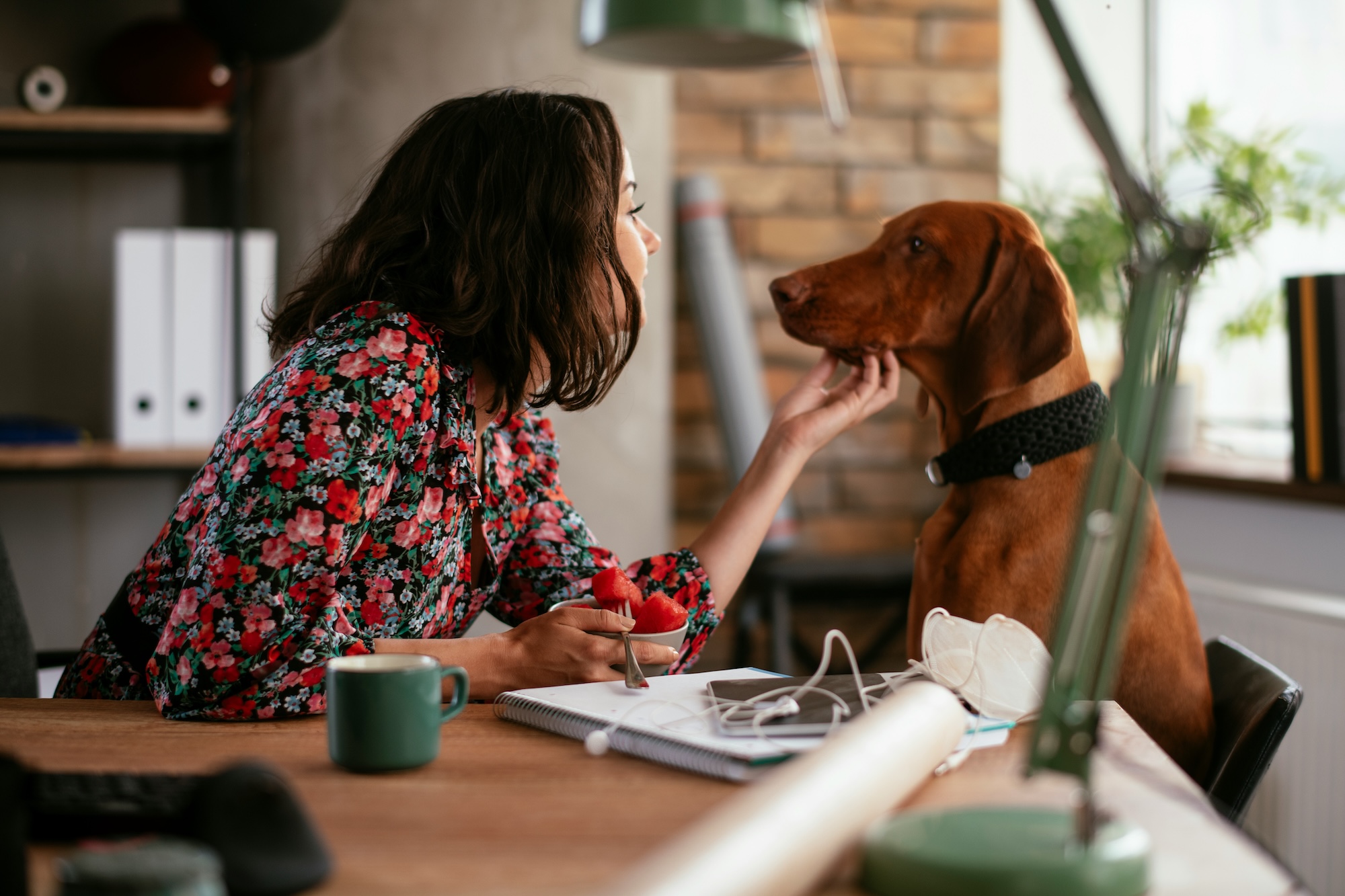
Body language that signals dog stress
A dog’s posture can tell you a lot about how they’re feeling.
Look out for:
- A tucked tail or tail held low and stiff
- Flattened ears or ears pinned back
- Tense facial muscles
- Whites of the eyes showing more than usual
- A frozen or very rigid stance
These signs are frequently mistaken for obedience or calmness, when in reality they indicate dog stress.
Behaviour changes linked to anxiety or overstimulation
When stress builds up, behaviour often changes.
This might include:
- Pacing or restlessness
- Whining, barking or vocalising more than usual
- Jumping up or mouthing
- Pulling excessively on the lead
- Ignoring cues they normally respond to
Overstimulation is particularly common in busy environments like dog parks, family gatherings or long days out. What looks like excitement can actually be your dog struggling to cope.
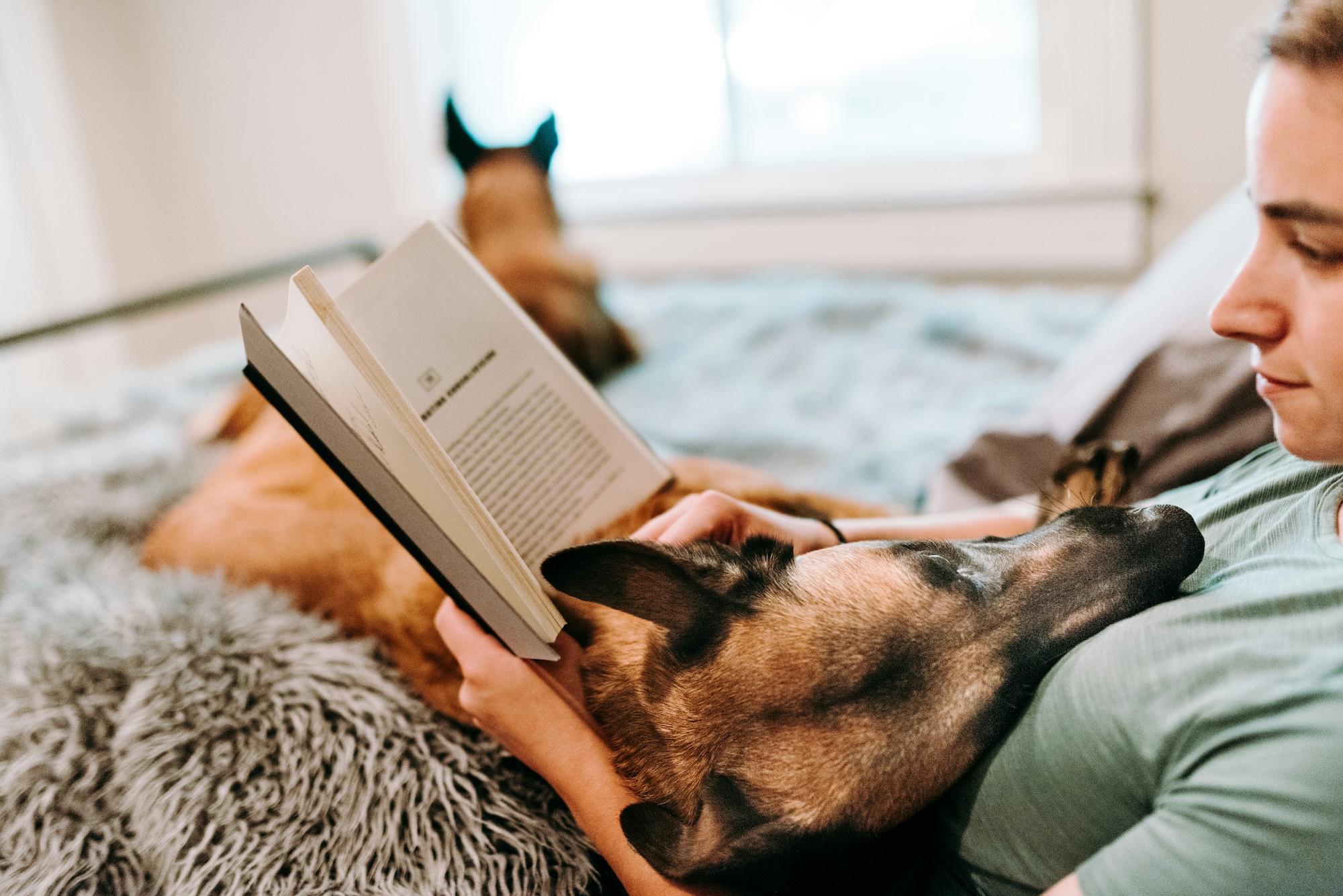
How to tell the difference between stress and excitement
Excited dogs still respond to you. Stressed dogs often don’t.
If your dog:
- Can’t settle even after exercise
- Doesn’t respond to their name
- Keeps escalating rather than calming down
…it’s likely stress rather than simple excitement.
Physical symptoms of stress in dogs
Long-term or repeated stress can show up physically.
Possible symptoms include:
- Digestive issues
- Changes in appetite
- Excessive shedding
- Recurrent ear or skin problems
- Fatigue or lethargy
If these symptoms persist, it’s always worth speaking to a vet to rule out medical causes.
How to help a stressed or overstimulated dog
The first step is recognising the signs and the second is reducing the pressure.
Helpful strategies include:
- Building predictable routines
- Allowing plenty of rest and downtime
- Reducing exposure to overwhelming environments
- Providing enrichment rather than constant activity
- Teaching calm behaviours, not just obedience
Remember, more exercise isn’t always the answer. Sometimes the best support for dog stress is quiet time and a sense of safety.
