



Here's what your dog is trying to tell you
Dogs may not speak our language, but they communicate constantly through their body language.
Learning to recognise these signals can help owners better understand their dogs, strengthen relationships and avoid misunderstandings.
Why body language matters
Dogs use posture, facial expressions and movement to communicate how they feel.
Understanding these signals allows owners to respond appropriately and identify when a dog is relaxed, anxious, excited or uncomfortable.
Signs of a relaxed dog
A relaxed dog typically has loose body posture, soft eyes and a gently wagging tail.
Their ears sit naturally, their mouth may be slightly open and they appear comfortable in their surroundings.
These signs indicate that a dog feels safe and content.
Recognising stress signals
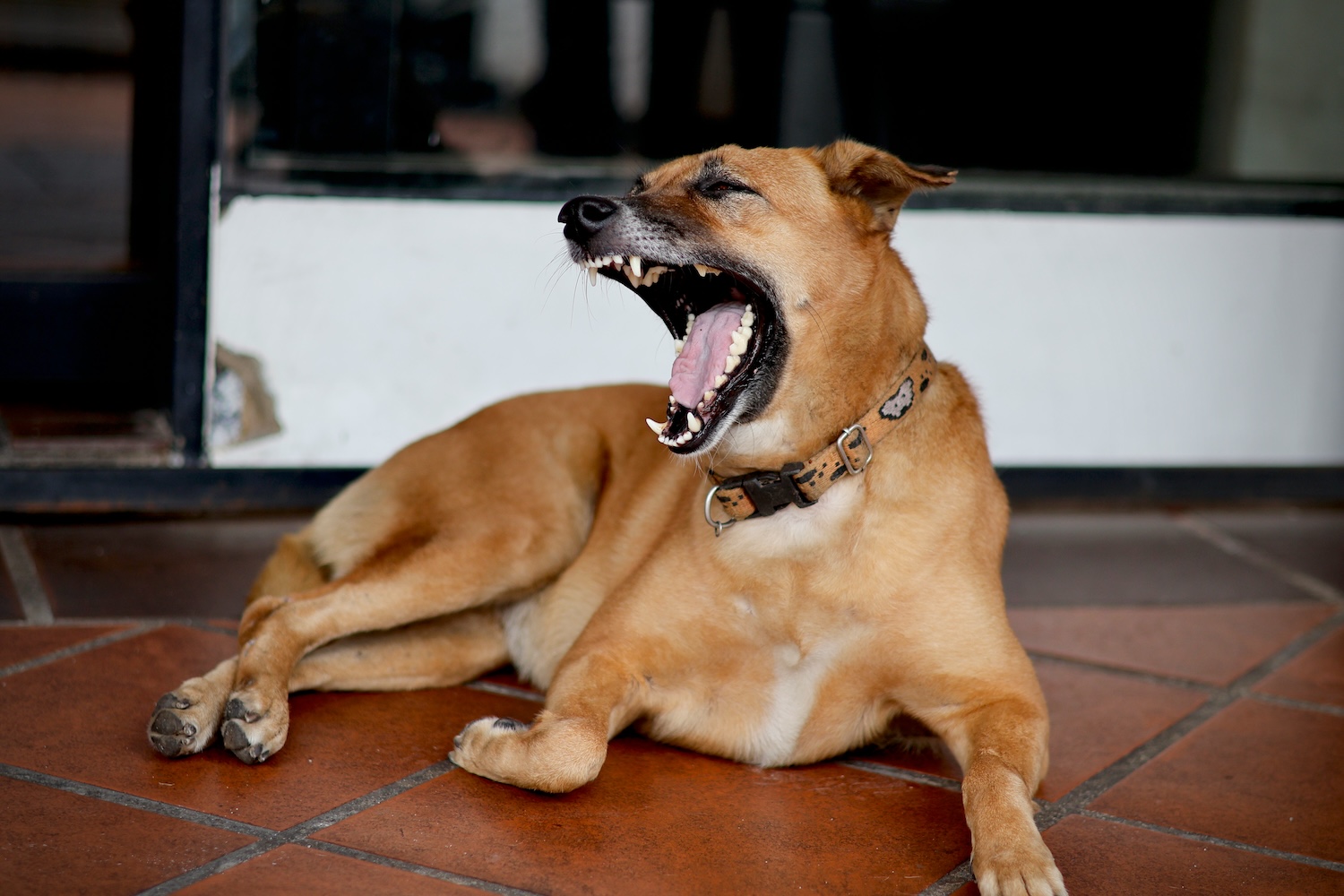
Dogs often display subtle signs of stress before more obvious behaviours emerge.
Lip licking, yawning, turning their head away and avoiding eye contact can all suggest discomfort.
Recognising these early signals can help prevent situations from escalating.
What tail wagging really means
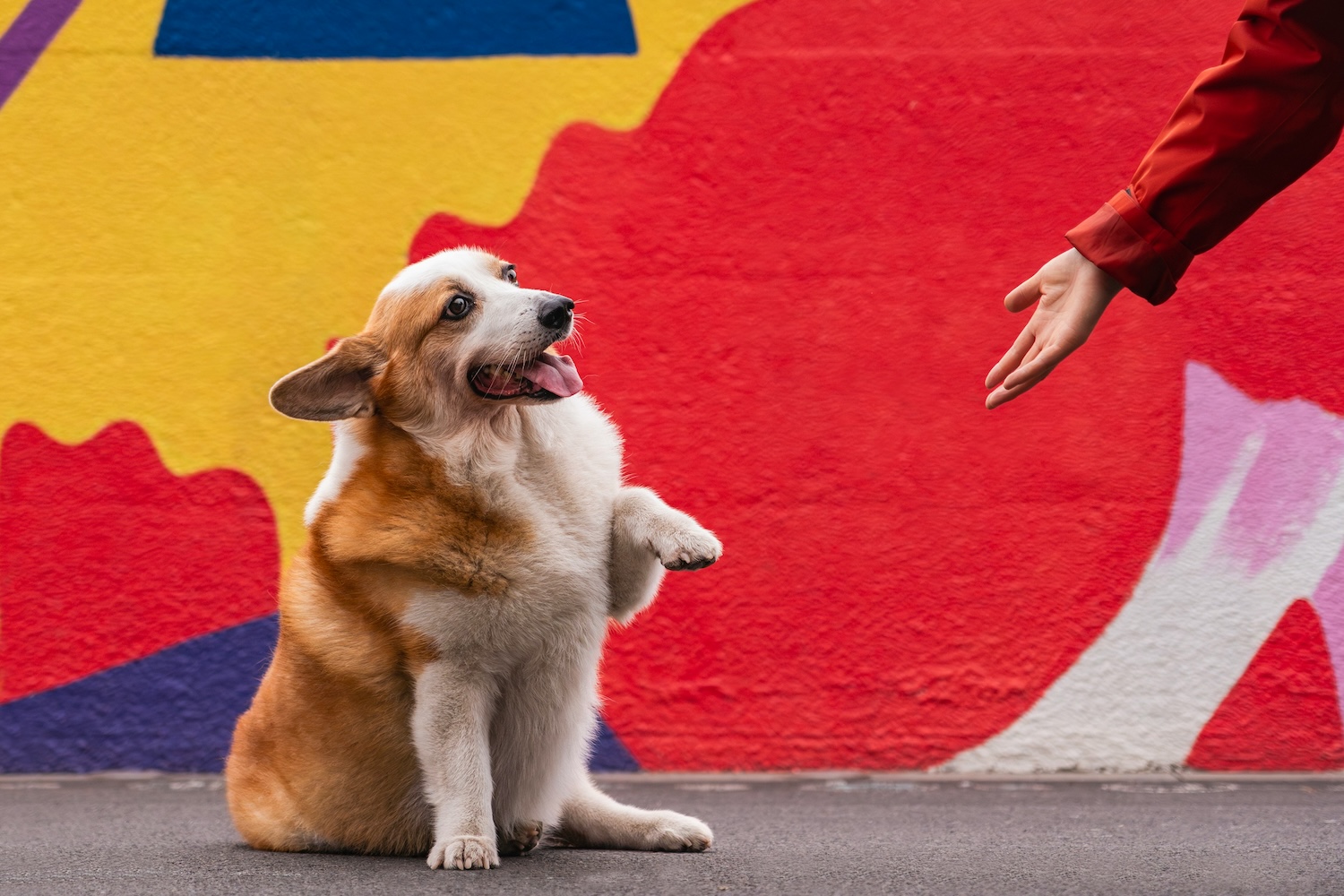
Many people assume that a wagging tail always indicates happiness. In reality, tail position, speed and body posture all provide important context.
A high, stiff wag may indicate excitement or tension, whilst a loose, relaxed wag often reflects positive emotions.
Understanding fearful behaviour
Fearful dogs may lower their body, tuck their tail or move away from a situation.
Some dogs freeze when frightened, whilst others may attempt to hide.
Giving a fearful dog space and avoiding pressure is often the best approach.
Looking at the whole picture
No single signal should be interpreted in isolation.
A dog’s overall posture, facial expression, movement and environment all contribute to understanding how they feel.
Considering the complete picture helps avoid misreading behaviour.
Better communication creates stronger relationships
Understanding dog body language allows owners to respond more effectively to their pets’ needs.
The better we understand our dogs, the easier it becomes to build trust, improve communication and create positive experiences together.
