


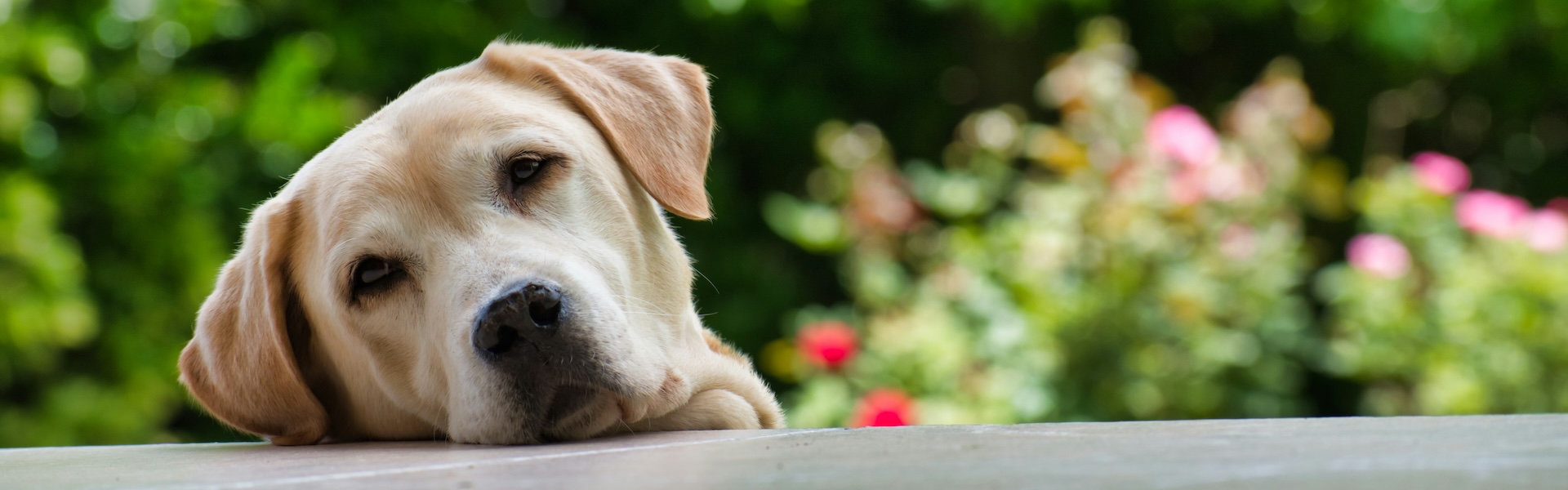
How memory, routine and familiar surroundings help dogs spot when something has changed
Move your dog’s bed to another room and they may immediately go looking for it. Put their favourite toy somewhere unusual and they might search the places where it normally lives. Remove a familiar piece of furniture and some dogs will investigate the empty space as though somebody has made a fairly serious administrative error.
Dogs clearly remember a great deal about their everyday surroundings. But does that mean they actually notice when something is missing?
Do dogs notice when something is missing from their surroundings?
Dogs can learn strong associations between particular objects and particular places. Their water bowl is normally in one corner, their lead hangs near the door and their favourite blanket belongs on the sofa. When something changes, they may notice because the environment no longer matches what they’ve learned to expect.
That doesn’t necessarily mean a dog is thinking, “My blanket has disappeared.” They may simply recognise that a familiar part of their surroundings is no longer where it normally is.
Favourite objects become part of a routine
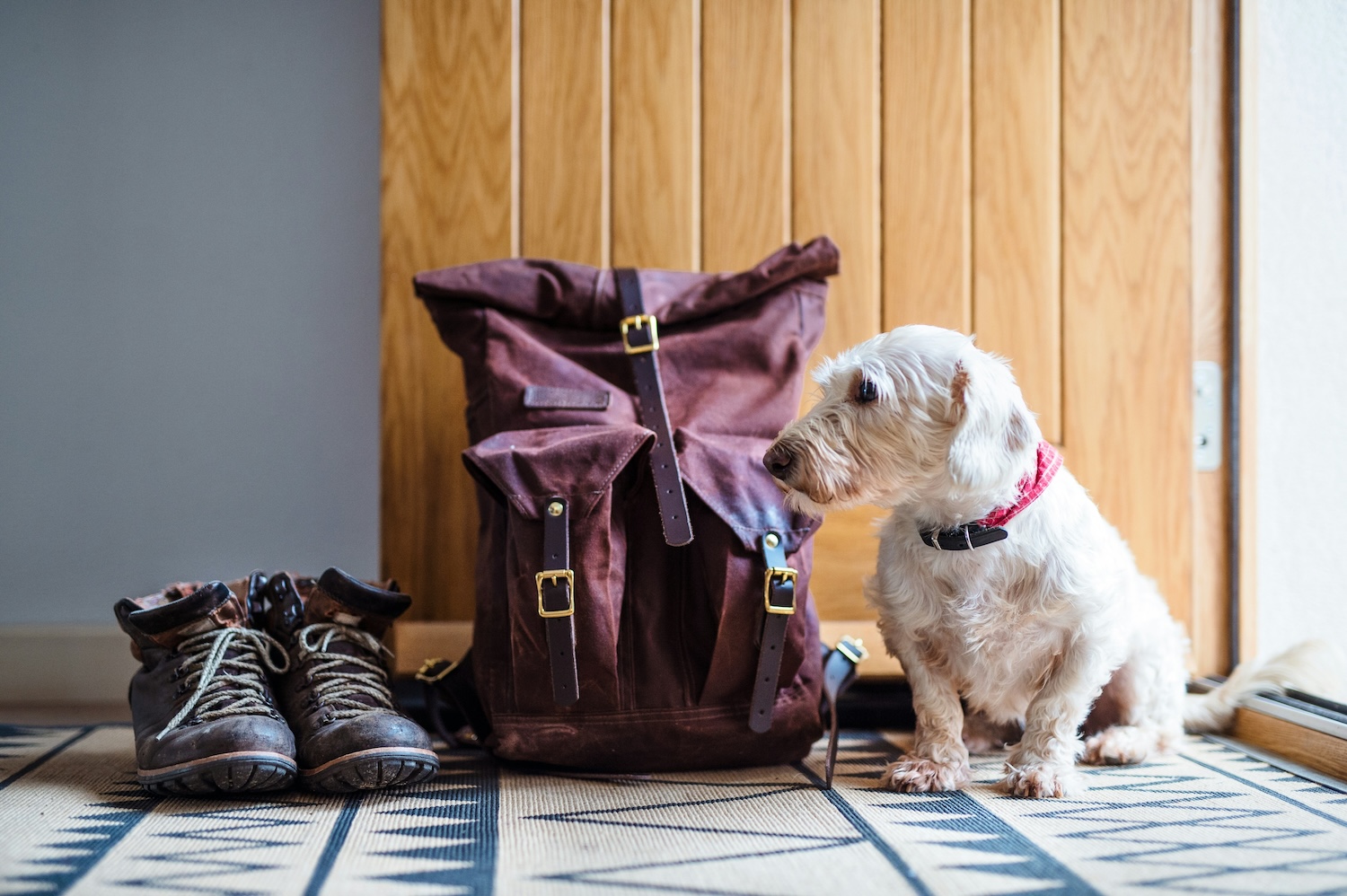
Some belongings matter more than others. A dog that regularly carries the same toy, sleeps on the same bed or waits beside the same cupboard may build strong memories around those objects. Remove one and they may search for it, sniff around its usual location or move between places where they’ve found it before.
A forgotten tennis ball might therefore receive considerably more attention than a missing cushion they’ve never cared about.
They notice when people aren’t where expected
Dogs also learn our routines remarkably well. If somebody usually comes downstairs at a particular point in the morning, sits in the same chair every evening or arrives home around a familiar time, their absence can represent a noticeable change.
A dog may check another room, listen for familiar sounds or spend more time near the door. That doesn’t prove they understand absence in exactly the same way humans do, but it does show how closely they can track familiar patterns.
What if another pet is no longer there?
Dogs can also notice changes involving other animals in the household. Pets create their own routines, sounds, scents and patterns of movement. When one is no longer present, the home itself changes.
A dog may investigate familiar sleeping areas or behave differently while adjusting to the altered routine. It’s difficult to know exactly how a dog interprets that change, so we should be cautious about putting human thoughts into their heads.
What we can say is that familiar animals form part of the environment dogs learn and remember.
Even furniture can matter
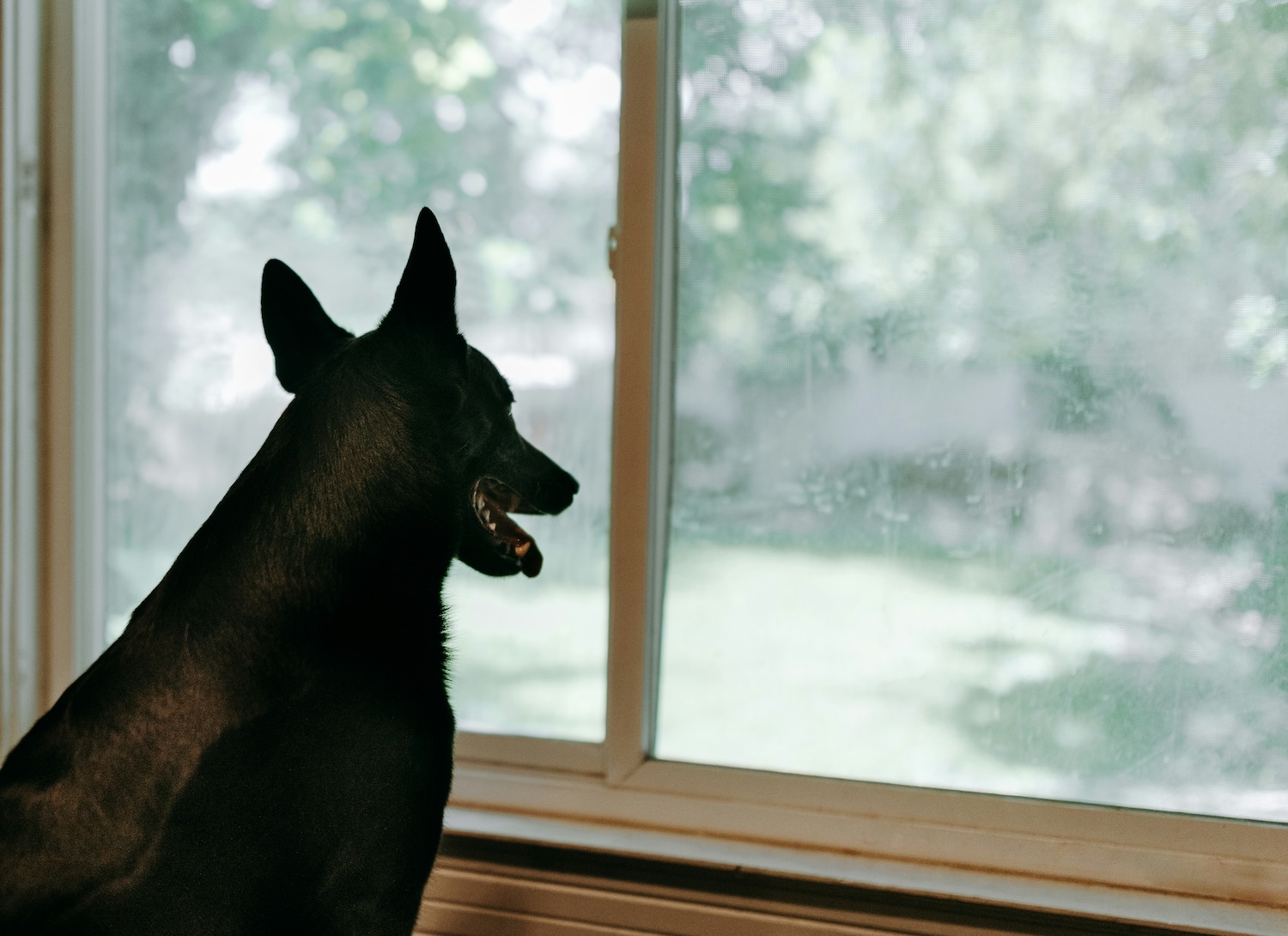
Move a sofa and you’ve changed more than the décor. You’ve altered familiar walking routes, resting places and perhaps even the easiest way to see out of a window.
Some dogs adapt immediately. Others may sniff the area, hesitate briefly or continue heading towards the old location through force of habit. It’s rather like walking into your bedroom after somebody has moved the bed six feet to the left. You’d probably notice too.
Dogs build expectations about their world
Dogs may not keep a mental inventory of every possession in the house, but they do develop expectations about familiar places, objects, people and routines.
When something important disappears, the mismatch between memory and reality can prompt searching, sniffing or simply a moment of visible confusion.
So yes, your dog may well notice that something is missing. Especially if that something is their favourite toy, a person they love or just the half-eaten biscuit they distinctly remember leaving under the sofa.
