



One dog barks the second a spaniel appears on Countryfile. Another sleeps through Crufts. What do they actually make of the dogs on screen?
You can watch half an hour of telly without your dog stirring, then a sheepdog trots into shot and suddenly you’ve got company. Ears up, eyes on the screen and perhaps a look behind the telly when the sheepdog disappears. Has your dog just recognised one of their own?
Yes, dogs can recognise other dogs on TV. Researchers have even found evidence that dogs expect the animal they can see on screen to match the bark they’ve just heard. What’s harder to tell is whether your dog thinks there’s a visitor in the living room or where they reckon that sheepdog has gone.
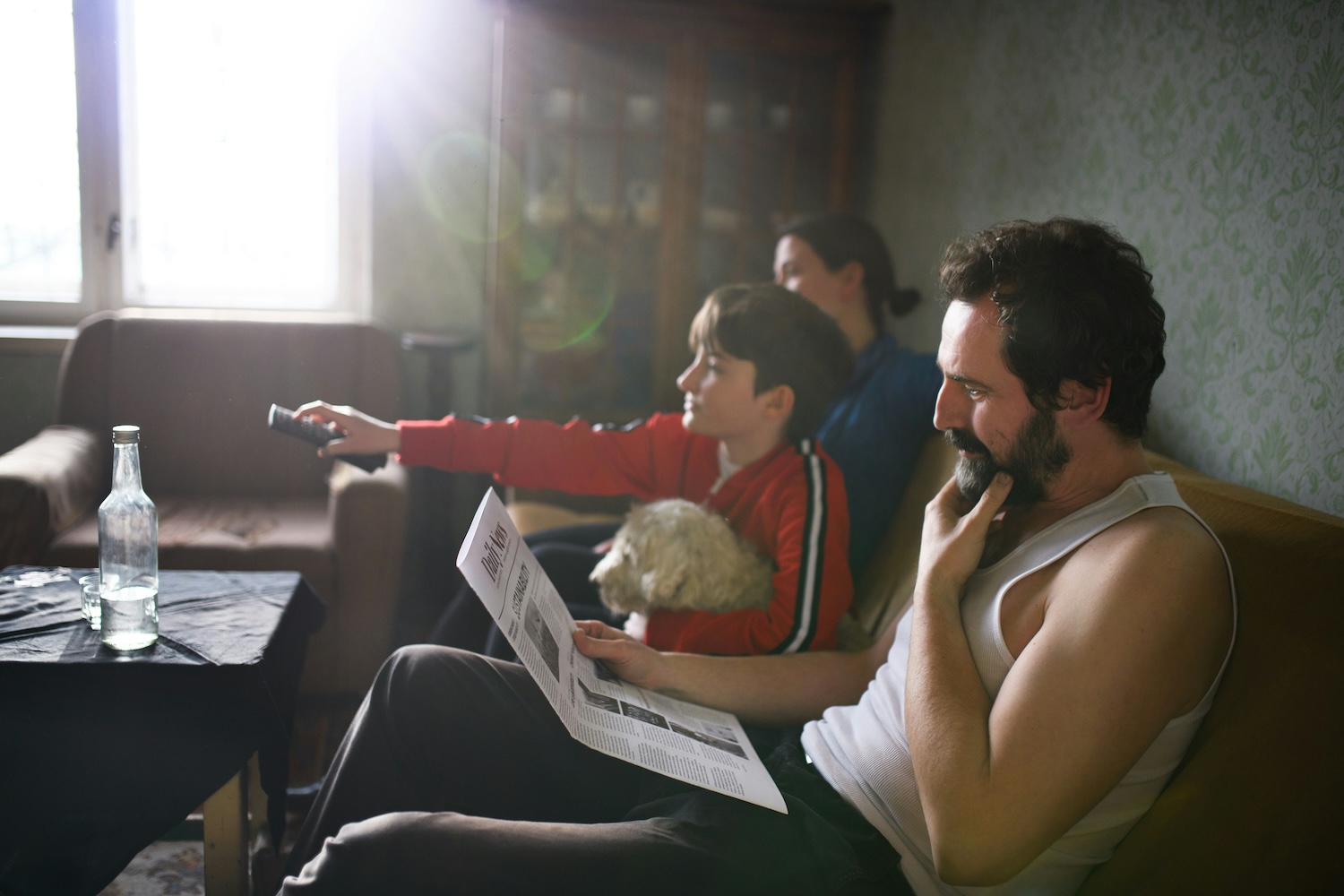
Does that bark go with that dog?
In one experiment, researchers showed 32 pet dogs videos of either another dog or an unfamiliar animal. They also played sounds, so a dog might hear a bark and see another dog, or hear the same bark and see an entirely different creature. The clever bit was watching where the dogs looked once the animal had gone.
When the bark and the dog appeared together, the dogs spent more time looking towards the spot where the animal had first appeared. When the sound and picture didn’t match, their attention stayed more towards the middle. The researchers took this as a sign that the dogs understood which sight and sound belonged together. In other words, a bark followed by a dog made sense to their audience.
What gets the best viewing figures?
Given the choice, would your dog prefer a wildlife documentary, the football or a programme full of other dogs? A survey of 1,246 owners found that animals drew the most interest from their dogs, with other dogs coming top. Movement was a big attraction, too. If yours ignores a close-up of a Labrador but sits up when it hurtles across a beach, the dash itself might be part of the appeal.
There’s plenty of variety in how dogs watch, though. In a separate study, dogs tended to give videos brief glances. So if yours opens one eye, clocks the terrier on screen and goes straight back to sleep, that little glance may be all the viewing they fancy.
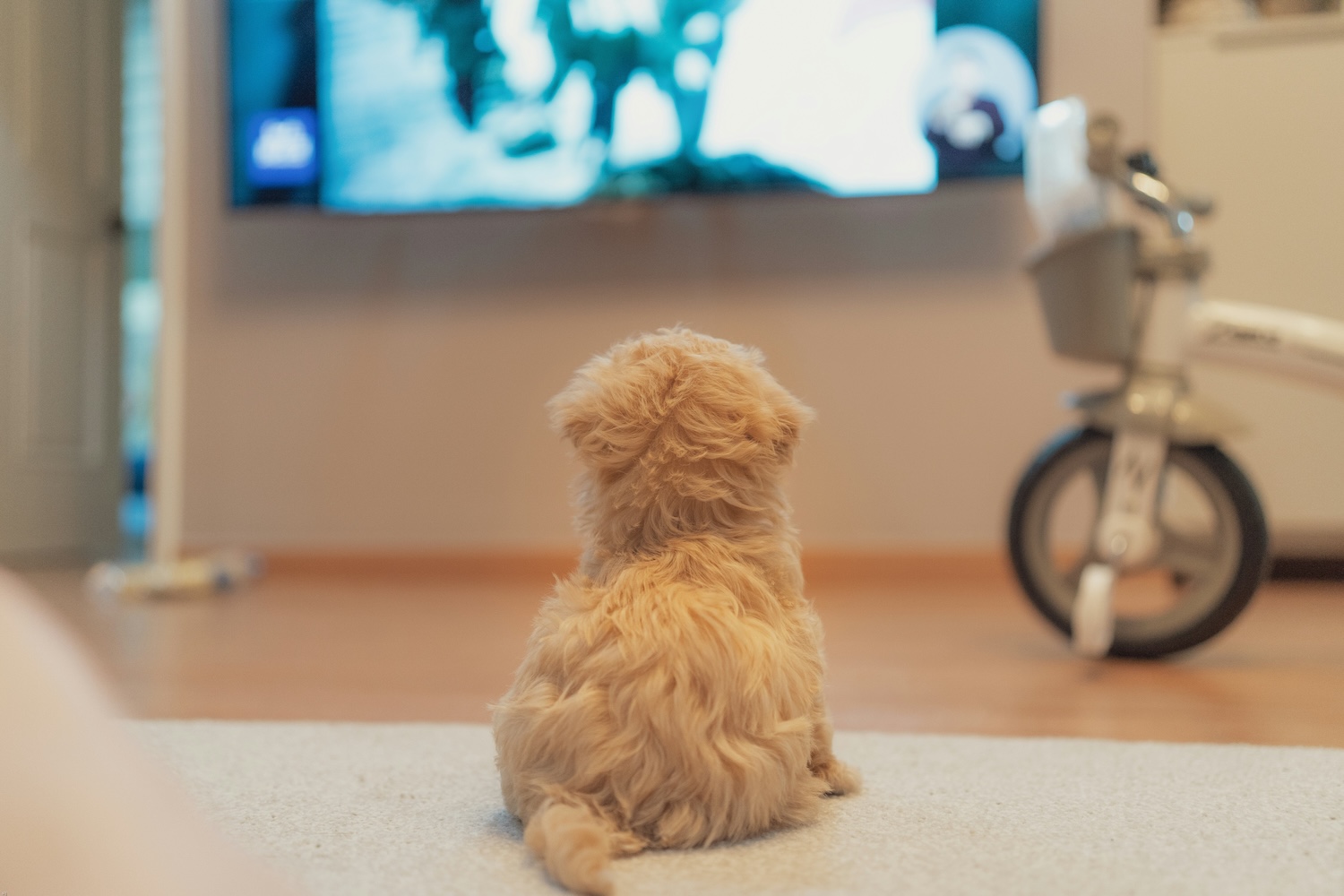
What catches your dog’s eye?
Next time there’s a dog on the telly, try watching yours for a moment. When do their ears prick up? Is it the first bark, the sight of the dog or the moment it starts to run? If they seem relaxed and interested, try the same few seconds with the sound off. You might discover that the whippet barely gets a glance on mute, while the squeak of its toy can summon your dog from the kitchen.
Of course, if yours gets worked up, you can always change the channel. And if they sleep through the entire agility final only to wake the instant you open a packet of biscuits, at least you know which sound gets their attention.
