


Essential Facts Every Pet Owner Should Know
Bloat in dogs is a condition that can strike fear into the hearts of even the most experienced dog owners. It is a rapidly progressing and potentially life-threatening issue that requires immediate veterinary attention. Known medically as gastric dilatation-volvulus (GDV), bloat occurs when a dog’s stomach fills with gas, food, or liquid and then twists on itself. This twist not only traps the contents inside but also cuts off blood flow to the stomach and other vital organs.
The severity of bloat lies in its sudden onset and rapid progression. One moment your dog may seem completely normal, and within a few hours, they could be in a critical state. This makes understanding and recognising the signs of bloat incredibly important for any dog owner. Knowing what to look out for can mean the difference between life and death for your pet.
One of the most concerning aspects of bloat is that it can affect any dog, regardless of age, breed, or size, though some breeds are more predisposed than others.
The exact cause of bloat is still not fully understood, but it is believed to be influenced by a combination of genetic, anatomical, and environmental factors. Lifestyle choices, such as how and when a dog is fed, can also play a significant role. For instance, dogs that eat large meals once a day, eat rapidly, or engage in heavy activity soon after eating are more likely to experience bloat.
Understanding What Bloat Is
Bloat is a condition where the stomach rapidly expands due to an accumulation of gas, food, or liquid. This sudden distension can exert pressure on surrounding organs, creating a cascade of serious health issues. The situation becomes even more dire when the stomach twists, a complication known as volvulus. This twisting not only traps the stomach’s contents but also impedes blood flow to vital organs, leading to tissue damage and potentially severe consequences.
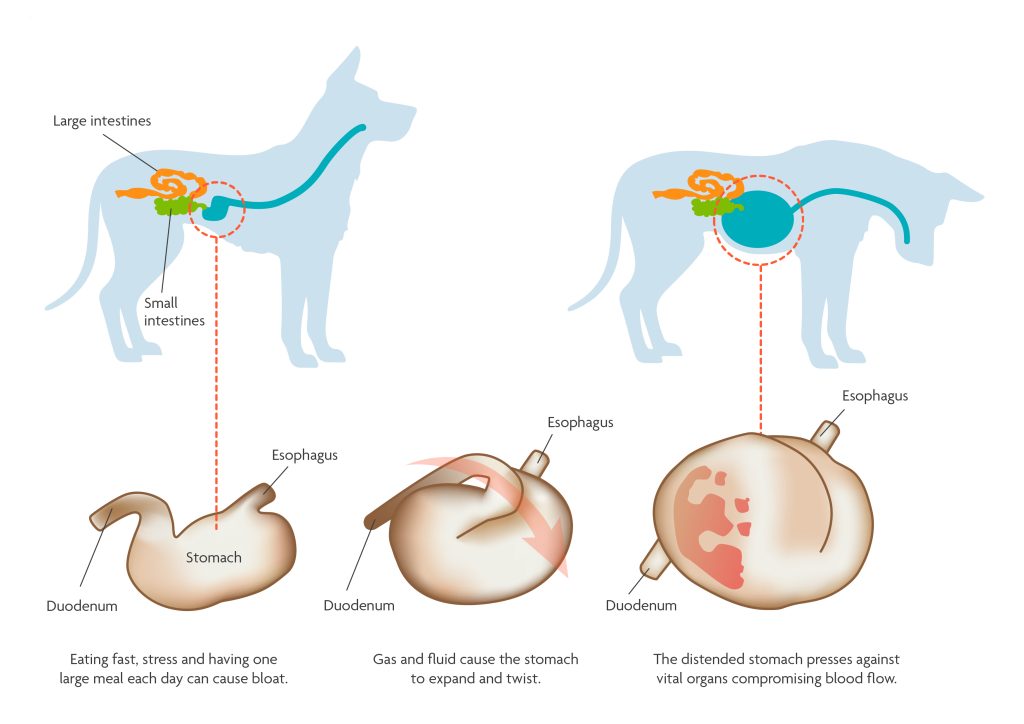
This condition is particularly alarming because of how quickly it can escalate. The physical changes inside your dog’s body occur at a rapid pace, turning a seemingly mild discomfort into a critical emergency within a few hours. Early recognition is essential, as timely intervention can make a significant difference.
Causes of Bloat
Bloat in dogs is a multifaceted issue with various potential triggers. Although the precise cause is still under investigation, several factors are known to elevate the risk. One significant contributor is the way in which a dog eats. Consuming large meals too quickly can lead to the stomach filling rapidly with air, food, or fluid, increasing the likelihood of bloat. Similarly, drinking water too quickly can have a comparable effect.
Physical activity around mealtimes is another risk factor. Engaging in strenuous exercise shortly before or after eating can contribute to the development of bloat. This is because vigorous activity can cause the stomach to twist or become distended more easily.
Stress and anxiety are also noteworthy considerations. Dogs that are naturally anxious or experience stressful situations may be more susceptible to bloat. This is believed to be due to the physiological changes that stress can cause in the body, which might influence how the stomach functions.
Dietary habits play a crucial role in the risk of bloat. Dogs fed one large meal per day are at a higher risk compared to those given smaller, more frequent meals. The size and timing of meals can significantly affect how the stomach handles its contents. Some studies also suggest that certain types of dog food, particularly those high in fat, may contribute to the condition.
The use of elevated food bowls has been linked to an increased risk as well. While some owners use raised bowls to aid digestion, particularly in larger breeds, these bowls can inadvertently contribute to the rapid ingestion of food, which is a risk factor for bloat.
There are also genetic components to consider. Certain breeds are more predisposed to bloat, and if a dog’s parent or sibling has experienced the condition, their risk may be higher. Additionally, age and gender can play a role, with older dogs and males being more commonly affected.
Understanding these factors can help you make informed decisions about your dog’s lifestyle and care. Adjusting feeding practices, monitoring activity levels, and reducing stress can collectively make a significant difference in mitigating the risk of bloat. While the condition can seem overwhelming, knowing the potential triggers allows for more proactive and preventive measures.
Diagnosing bloat
Diagnosing bloat in dogs requires a combination of keen observation and prompt veterinary intervention. If you notice your dog displaying signs of discomfort, such as a swollen abdomen, restlessness, or unproductive retching, it’s essential to act quickly. Time is of the essence, as bloat can escalate from mild discomfort to a severe emergency in a matter of hours.
At the veterinary clinic, the initial assessment will often begin with a thorough physical examination. The vet will palpate the dog’s abdomen to check for distension and tenderness. They will also look for signs of pain and observe the dog’s general behaviour and vital signs, including heart rate, respiration, and gum colour, which can indicate shock or other complications.
Blood tests may also be performed to assess the dog’s overall health and to identify any imbalances or abnormalities caused by the condition. These tests can provide valuable information about the severity of the bloat and help guide treatment decisions.
In some instances, the vet may insert a tube through the dog’s mouth into the stomach to relieve pressure and gas build-up. This procedure can also help determine the extent of the stomach’s distension and whether there are any blockages.
If the dog’s condition is critical and surgery is deemed necessary, further diagnostic procedures may be conducted during the operation to assess the damage and to correct the twist in the stomach. The surgeon will also evaluate the viability of the stomach and other affected organs, removing any tissue that has been severely compromised due to lack of blood flow.
Throughout the diagnosis process, the veterinary team will focus on stabilising your dog, managing pain, and preventing shock. This holistic approach ensures that your dog receives the best possible care during this critical time. Recognising and diagnosing bloat promptly can make all the difference, underscoring the importance of vigilance and swift action when it comes to your dog’s health.
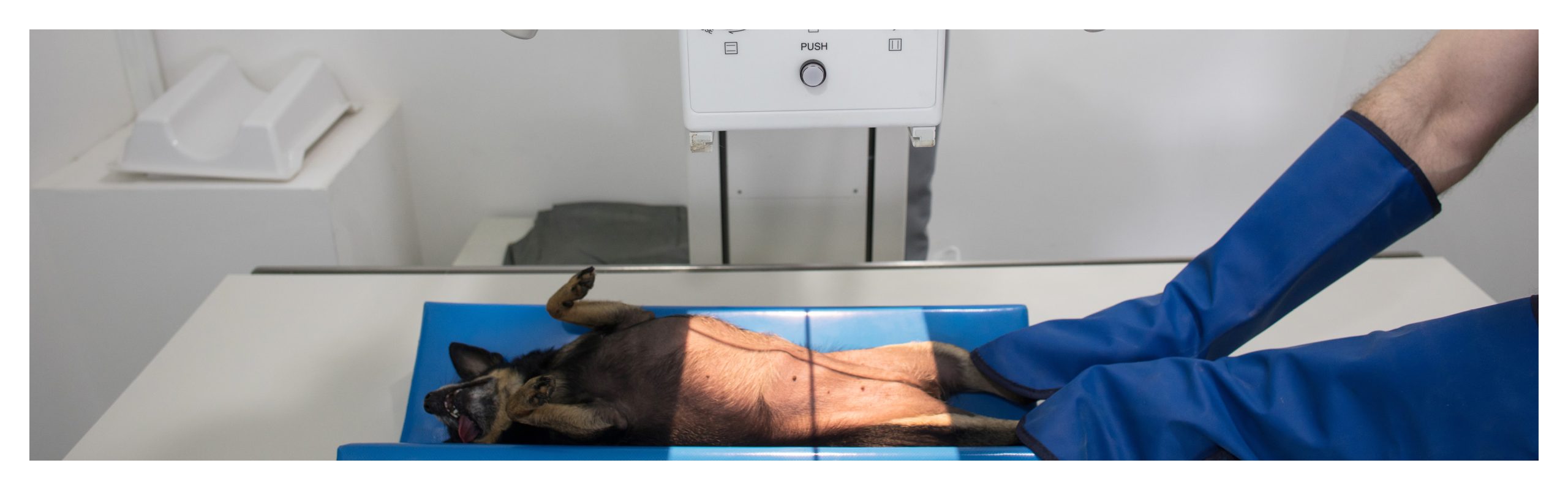
To confirm a diagnosis of bloat, imaging techniques such as X-rays are commonly employed. An X-ray can reveal the presence of gas within the stomach and show whether the stomach has twisted, a double bubble appears on the x-ray. This visual confirmation is crucial for determining the appropriate course of action. In some cases, additional imaging, like ultrasound or CT scans, may be necessary to get a clearer picture of the extent of the problem and to check for damage to surrounding organs.

Treatment Options
When faced with the possibility of bloat in your dog, prompt action is crucial. At the veterinary clinic, the primary focus will be on stabilising your dog. Initial measures often include decompression to relieve pressure in the stomach. This can be achieved by passing a tube into the stomach to release trapped gas and contents or, in some cases, using a needle to puncture the stomach and allow gas to escape.
Fluid therapy is another vital component of treatment. Intravenous fluids help to maintain blood pressure and ensure that the dog remains hydrated. This is particularly important if the dog is showing signs of shock, as stabilising their condition is a priority before any further interventions can be carried out. Pain management is equally crucial, as bloat is a highly uncomfortable and painful condition. The veterinary team will administer pain relief to help your dog feel more comfortable during the treatment process.
If the bloat has led to volvulus, where the stomach has twisted, surgery will be necessary. The surgical procedure involves untwisting the stomach and assessing any damage to the tissues. In some cases, part of the stomach or spleen may need to be removed if blood flow has been compromised. During the surgery, the vet may also perform a gastropexy, a procedure that attaches the stomach to the abdominal wall to prevent future twisting. While this does not prevent bloat from occurring again, it significantly reduces the risk of volvulus.
Post-surgery, your dog will need close monitoring and supportive care. This includes continued fluid therapy, pain management, and possibly antibiotics to prevent infection. The vet will keep a close eye on your dog’s vital signs, ensuring they are stable and responding well to the treatment. Your dog’s recovery will depend on the severity of the bloat and any complications that arose during treatment.
The aftercare will also involve the gradual reintroduction of food and water under controlled conditions to ensure that the stomach heals properly. You may need to adjust your dog’s diet and feeding habits based on the vet’s recommendations to prevent future episodes. Regular follow-up visits will be essential to monitor your dog’s progress and address any concerns that may arise.
Throughout the entire treatment process, the veterinary team will focus on providing compassionate and effective care to ensure the best possible outcome for your beloved pet. Their expertise and quick action are pivotal in managing this serious condition, giving your dog the best chance of a full recovery.
Preventing Bloat
Prevention of bloat in dogs revolves around a combination of dietary management, behavioural adjustments, and regular veterinary check-ups. One effective strategy is to feed your dog smaller, more frequent meals rather than one or two large meals per day. This can help reduce the risk of the stomach filling too rapidly and becoming distended. Additionally, consider using slow-feed bowls, which are designed to make your dog work a bit harder for their food, thereby slowing down the eating process and reducing the amount of air swallowed.
Another crucial aspect of prevention is monitoring your dog’s activity levels around mealtimes. Vigorous exercise should be avoided immediately before and after feeding, as it can increase the likelihood of the stomach twisting. Instead, opt for a calm and relaxed environment during and after meals to allow your dog’s digestive system to function more smoothly.
Managing stress and anxiety is equally important in preventing bloat. Dogs that are naturally anxious or experience high levels of stress are more susceptible to bloat. Creating a calm and stable environment can help mitigate these risks. This might involve providing a quiet space for your dog to eat, ensuring a consistent routine, and using calming aids if necessary.
Elevated food bowls have been linked to an increased risk of bloat, despite some owners believing they aid digestion. It may be beneficial to avoid these and opt for bowls placed directly on the floor. Ensuring your dog drinks water at a normal pace can also help, as drinking too quickly can contribute to the accumulation of air in the stomach.
Regular veterinary check-ups are essential to monitor your dog’s overall health and to identify any early signs of bloat or other related conditions. During these visits, discuss any concerns you might have about your dog’s eating habits, activity levels, or stressors with your vet. They can offer tailored advice and might even suggest preventive measures such as a prophylactic gastropexy for breeds at high risk.
By integrating these preventive strategies into your dog’s daily routine, you can significantly reduce the likelihood of bloat. Understanding the factors that contribute to this condition and taking proactive steps can help ensure your dog’s well-being and longevity.
Breeds Most at Risk
While any dog can potentially develop bloat, certain breeds are particularly susceptible due to their unique anatomical features. Large and giant breeds with deep, narrow chests are especially at risk. For instance, Great Danes, St. Bernards, and German Shepherds often top the list of breeds that experience bloat more frequently.
Their deep chest cavity allows the stomach more room to move, which can make it easier for the stomach to twist and become distended. Other breeds that are commonly affected include Weimaraners, Irish Setters, and Standard Poodles. It’s not just their size and chest shape that contribute to the risk; genetic factors also play a role. If a close relative has experienced bloat, the likelihood of occurrence in the same family line increases.
Age and gender are also factors to consider. Older dogs and males are more commonly affected, although bloat can occur at any age. Understanding these predispositions can help you take proactive steps to minimise the risk for your dog.
While the primary focus is often on the larger breeds, it’s essential to recognise that medium-sized and even smaller breeds are not entirely exempt from the risk. Breeds like Basset Hounds and Dachshunds, although smaller, have a deep chest and can experience bloat as well. Owners of these breeds should remain vigilant and employ preventive measures just as diligently.
Being aware of the breeds most at risk allows for targeted preventive strategies. Simple changes in feeding habits, like smaller, more frequent meals and the use of slow-feed bowls, can be beneficial. Avoiding strenuous activity around mealtimes and managing stress levels can also make a significant difference.
Regular veterinary check-ups are essential for high-risk breeds. Discussing your dog’s specific risk factors with your vet can provide further tailored advice. In some cases, preventive surgery such as a gastropexy might be recommended to reduce the likelihood of volvulus, even if it doesn’t prevent bloat itself.
By understanding the increased risks associated with certain breeds, you can be better prepared and more proactive in your approach, ensuring your dog stays happy and healthy.
Disclaimer: The contents of Itsadogz.life website are for informational and educational purposes only and should NOT replace professional Veterinary Advice. Always consult a qualified Veterinarian regarding your dog’s health and any concerns you may have.
Neither the owners nor creators of this site are engaged in providing veterinary medical services via this site and assume no responsibility for any consequence relating directly or indirectly to any action you take or do not take based on the information, services, products, or other materials provided on this site.
