


Bladder Stones
Welcome to our comprehensive guide to bladder stones in dogs. You will find everything you need to know about causes, symptoms, treatment, and prevention here.
What are Bladder Stones in Dogs?
Bladder stones or cystic calculi to give them their proper name, are rock-like formations that develop in a dog’s urinary bladder when minerals in the urine become concentrated and crystallize.
The most common bladder stones are Struvite, Calcium Oxalate, and Cystine and Ammonia urate. These stones can range in size and composition, and they can cause various health issues such as frequent urinary tract infections, pain, and obstruction of the urinary tract. Dogs with bladder stones may not always exhibit obvious clinical signs, and sometimes, the presence of stones may only be detected during routine check-ups or when they cause severe symptoms.
Causes of Bladder Stones
It’s important to note that in many cases, the exact cause of bladder stones in dogs is unknown, but several factors can contribute to their formation. These include:
- Diet: A diet high in minerals can increase the risk of bladder stone formation. So if you supplement your dog’s diet with vitamin or mineral supplements it is important to consult your vet before adding any supplements.
- Urine pH Imbalance: The pH balance of a dog’s urine plays a role in stone formation. If the pH level is too low or too high, crystals can form and eventually turn into stones. Diet can help regulate urine pH.
- Genetic Predisposition: Certain breeds are more prone to developing bladder stones. For example, Miniature Schnauzers, Shih Tzus, Yorkshire Terriers, Labrador Retrievers, and Dachshunds have an increased risk of developing struvite stones. Dalmatians have an increased risk of developing Urate stones (due to a genetic defect in the metabolism of uric acid).
- Metabolic Diseases: Conditions such as Cushing’s disease or hyperparathyroidism may have an increased risk of developing bladder stones due to imbalances in calcium metabolism.
- Infections and Other Medical Conditions: Infections, liver shunts, and imbalances in calcium or phosphorus levels can also contribute to the formation of bladder stones.
Symptoms of Bladder Stones
The symptoms of bladder stones in dogs can vary greatly depending on the size, location, and number of stones present. Some dogs with very small bladder stones may not exhibit any symptoms at all. However, larger stones or stones that cause irritation or obstruction can lead to the following signs:
- Discomfort and difficulty urinating
- Frequent urination in small amounts
- Blood in the urine
- Cloudy or discoloured urine
- Bloated or sensitive stomach
- Avoidance of exercise
- Pain in the abdomen around the kidney area
- Change in energy level
- Vomiting
It’s important to note that not all dogs with bladder stones will display all of these symptoms. Some dogs may only exhibit one or two signs, making diagnosis challenging. If you suspect that your dog may have bladder stones, it’s crucial to seek veterinary care for an accurate diagnosis and appropriate treatment.
Diagnosis of Bladder Stones in Dogs
If your dog is exhibiting symptoms of bladder stones or if the condition is suspected during a routine check-up, your vet will perform a thorough examination and may recommend the following diagnostic tests:
- Physical Examination: The vet will examine your dog’s abdomen to check for any abnormalities or discomfort.
- Urinalysis: A urine sample will be collected and analysed to check for the presence of blood, crystals, or signs of infection.
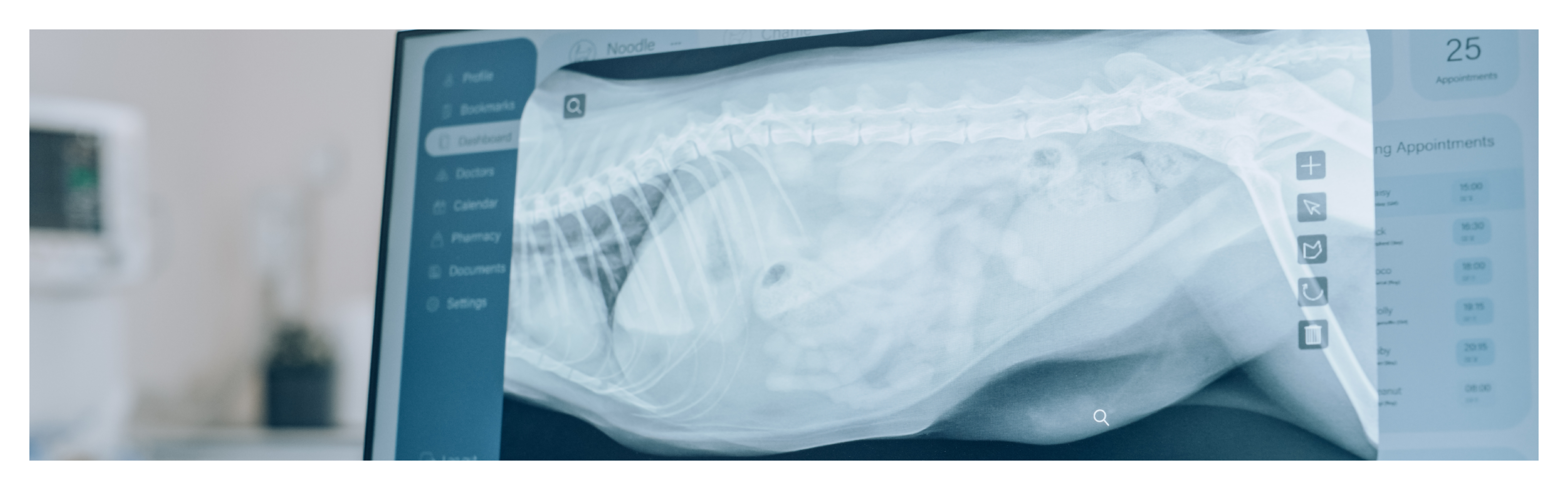
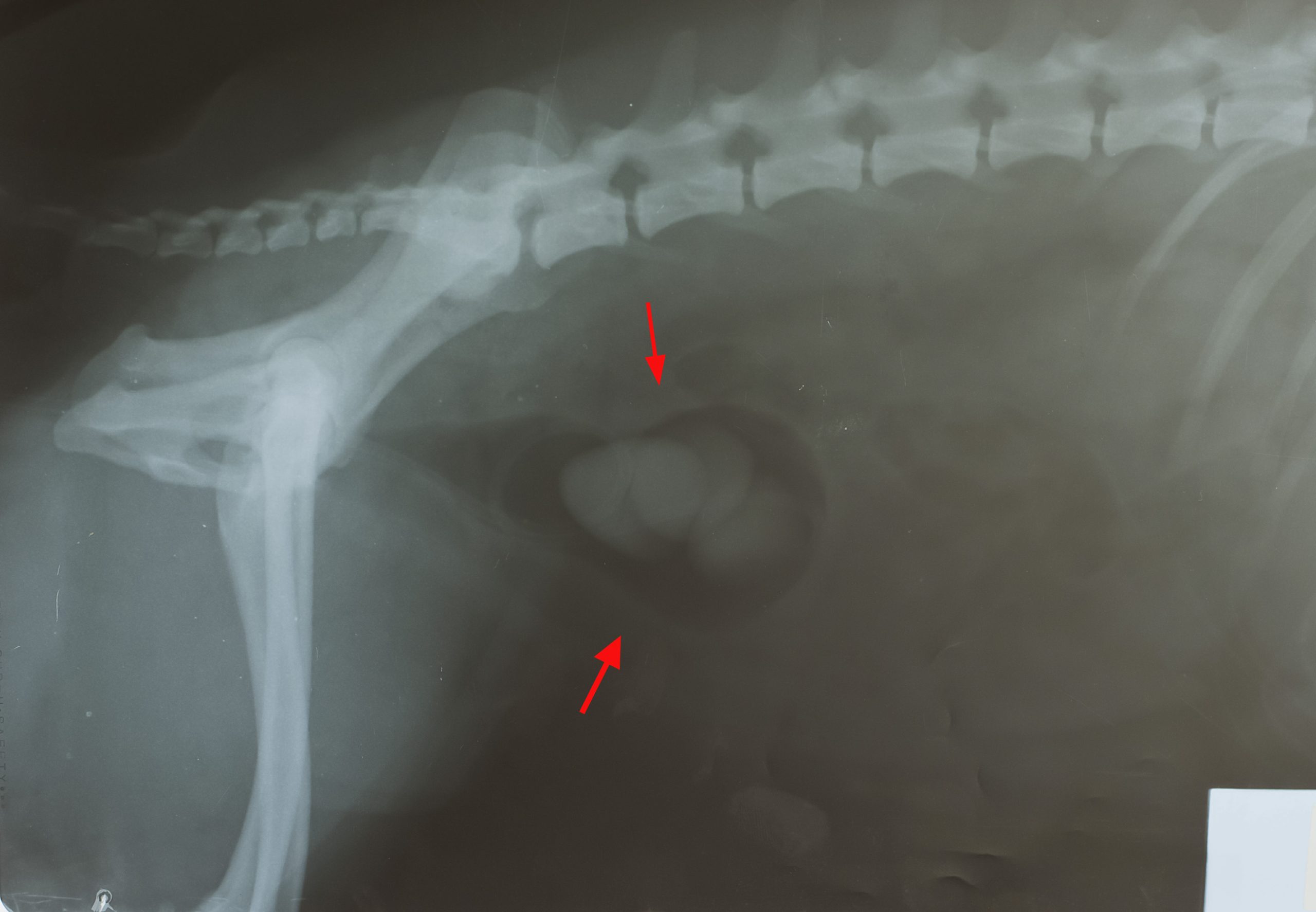
- X-rays or Ultrasound can help visualize the stones and determine their size, number, and location within the bladder.
- Complete Quantitative Analysis: In some cases, the vet may send a bladder stone sample to an outside laboratory for a complete analysis to identify the exact mineral composition of the stone.
It’s important to diagnose bladder stones accurately to determine the most appropriate treatment plan for your dog.
Treatment
The treatment for bladder stones in dogs depends on various factors, including the type of stones, their size, location, and the presence of any underlying medical conditions. The two main treatment options for bladder stones are surgical removal and non-surgical treatment.
Surgical Removal of Bladder Stones
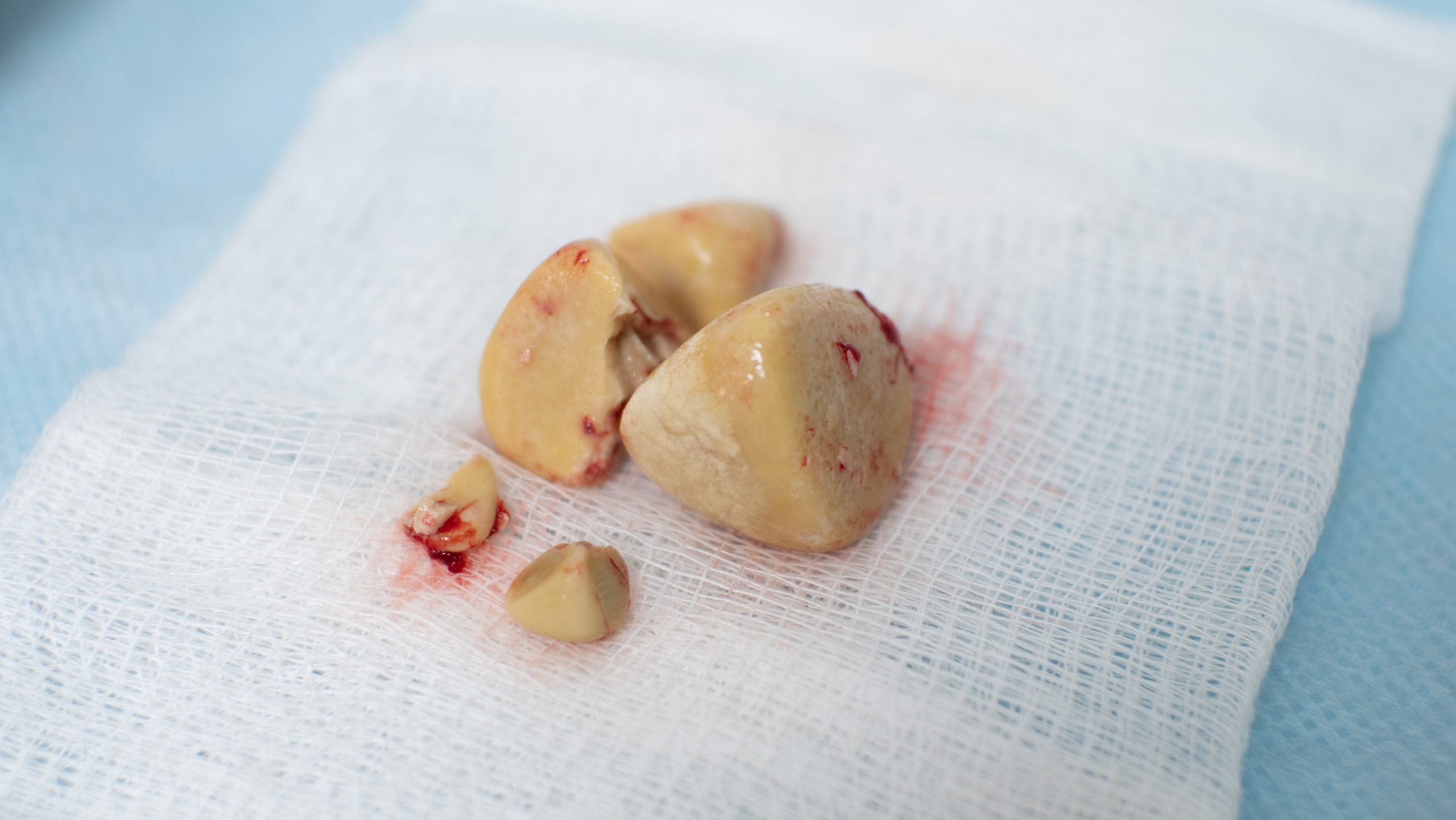
Surgical removal of bladder stones, also known as cystotomy, is often recommended for larger stones or stones that are causing obstruction. During the procedure, the vet will make an incision in the abdomen and remove the stones from the bladder. This surgery is performed under general anaesthesia, and your dog will require post-operative care and monitoring.
Non-Surgical Treatment Options for Bladder Stones
In some cases, bladder stones can be treated without surgery. Non-surgical treatment options include:
- Urohydropropulsion: This procedure involves flushing the bladder with a liquid solution to expel the stones through the urethra. It is only suitable for small stones and may require general anaesthesia.
- Laser Lithotripsy: This procedure uses laser technology to break up the stones into smaller fragments, making them easier to pass through the urinary tract. It is a less invasive alternative to surgery and may be suitable for smaller stones (more common in America, at time of publication the Royal Veterinary College Small Animal referrals say they are the only veterinary service to offer Laser Lithotripsy in the UK).
- Dietary Dissolution: Certain therapeutic diets are designed to dissolve specific types of bladder stones. These diets work by altering the pH of the urine and reducing the mineral content, preventing further stone formation. However, dietary dissolution is not effective for all types of stones and requires close monitoring.
- Basket retrieval – A small scope (a long, thin device with a tiny camera) is inserted into the urethra while the animal is under anaesthesia, and stones are found and removed.
The choice of treatment will depend on the specific circumstances and the recommendation of your vet. They will consider factors such as the size and location of the stones, your dog’s overall health, and the likelihood of recurrence.
Recovery and Management of Bladder Stones in Dogs
After treatment for bladder stones, your dog will require a period of recovery and management to prevent recurrence. This may involve:
- Medications: Your veterinarian may prescribe medications such as antibiotics or pain relievers to manage any underlying infections or discomfort.
- Follow-up Examinations: Regular follow-up examinations will be necessary to monitor your dog’s progress and check for any signs of stone recurrence.
- Dietary Changes: Your vet may recommend a specialized diet to help prevent the formation of new stones. These diets are formulated to control urine pH, reduce mineral content, and promote urinary health.
- Increased Water Intake: Encouraging your dog to drink more water can help dilute the urine and prevent the concentration of minerals that contribute to stone formation. Providing fresh, clean water at all times and considering wet food options can help increase water intake.
It’s important to follow your vets instructions and attend all follow-up appointments to ensure proper recovery and long-term management of bladder stones.
Prevention of Bladder Stones
While it may not be possible to prevent bladder stones entirely, there are steps you can take to reduce the risk of recurrence. Here are some prevention strategies:
- Diet: Feeding a balanced diet that is appropriate for your dog’s age, breed, and health condition is crucial. Consult with your vet to determine the best diet for your dog, considering factors such as urine pH, mineral content, and overall urinary health.
- Hydration: Ensure that your dog has access to fresh, clean water at all times. Promote hydration by providing multiple water sources and considering wet food options, which have a higher water content.
- Regular Exercise: Helps maintain overall health and can contribute to urinary health. Exercise stimulates urination and helps prevent stagnation of urine in the bladder.
- Regular Veterinary Check-ups: these allow your vet to monitor your dog’s urinary health, detect any early signs of stone formation, and provide appropriate preventive measures.
By implementing these preventive measures and maintaining good overall health for your dog, you can minimize the risk of bladder stone formation and recurrence.
Recommended Nutrition for Dogs with Bladder Stones
Nutrition plays a vital role in the prevention and management of bladder stones. Prescription urinary diets are specifically formulated to address different types of stones and promote urinary health. These diets work by influencing factors such as urine pH, mineral composition, and overall urinary tract health.
For struvite stones, diets that help acidify the urine and reduce mineral content are recommended. These diets aim to dissolve existing stones and prevent the formation of new ones. There are veterinary prescription diets available.
Calcium oxalate stones require a different approach. These stones cannot be dissolved through dietary changes and usually require surgical removal. However, dietary management is essential in preventing recurrence. Diets for calcium oxalate stone prevention focus on controlling urine pH and reducing specific electrolytes. There are veterinary prescription diets recommended for dogs with calcium oxalate stones.
Urate stones, common in Dalmatians and certain other breeds, can be prevented through diet. Low-purine diets that help create more alkaline urine and reduce protein content are recommended. Veterinary prescription diets can help manage urate stones.
It’s crucial to consult with your vet to determine the best diet for your dog’s specific condition and to ensure you are providing optimal nutrition for urinary health.
Disclaimer: The contents of Itsadogz.life website are for informational and educational purposes only and should NOT replace professional Veterinary Advice. Always consult a qualified Veterinarian regarding your dog’s health and any concerns you may have.
Neither the owners nor creators of this site are engaged in providing veterinary medical services via this site and assume no responsibility for any consequence relating directly or indirectly to any action you take or do not take based on the information, services, products, or other materials provided on this site.
