


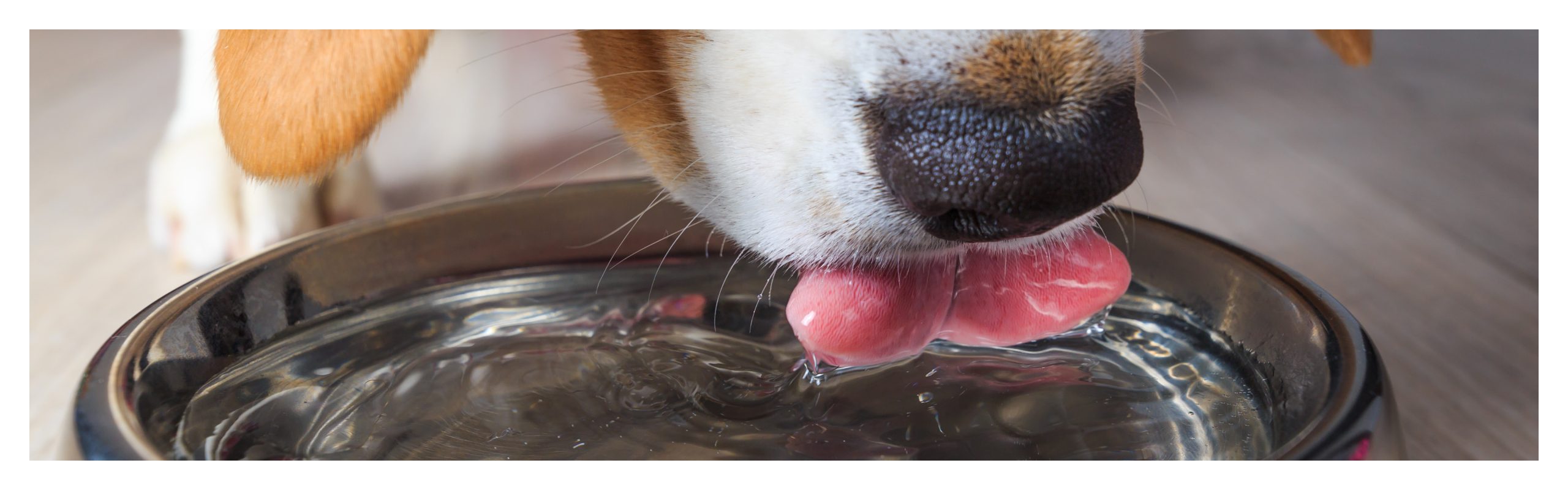
The Slimy Secret Lurking in Your Dog's Water Bowl!
What is Biofilm?
Biofilm is a layer of microorganisms that adhere to surfaces, often in moist environments. This layer can include bacteria, fungi, and other microscopic life forms. In essence, it’s a community of these organisms held together by a slimy, protective barrier. In water bowls, biofilm appears as a slippery film that coats the inside of the bowl, often forming when the bowl is not cleaned regularly.
How Does Biofilm Develop in Water Bowls?
Biofilm starts forming when bacteria from the environment, your dog’s mouth, food particles, or even the water itself attach to the bowl’s surface. With time, these bacteria multiply and secrete a sticky substance that helps them cling to the bowl. This sticky layer attracts more bacteria and other microorganisms, making the biofilm thicker and more resilient over time. The process is helped by the presence of water and nutrients, creating an ideal environment for biofilm to thrive.
What Are the Potential Health Risks?
While it might seem harmless, biofilm can pose several health risks to your pet. It can harbour harmful bacteria such as E. coli and Salmonella, which can lead to gastrointestinal issues and infections. Furthermore, if your dog drinks from a bowl with biofilm, they may be at risk of developing dental problems, as the bacteria can contribute to plaque and tartar build-up. It’s important to be mindful of these risks and take steps to prevent biofilm from accumulating in your dog’s water bowl.
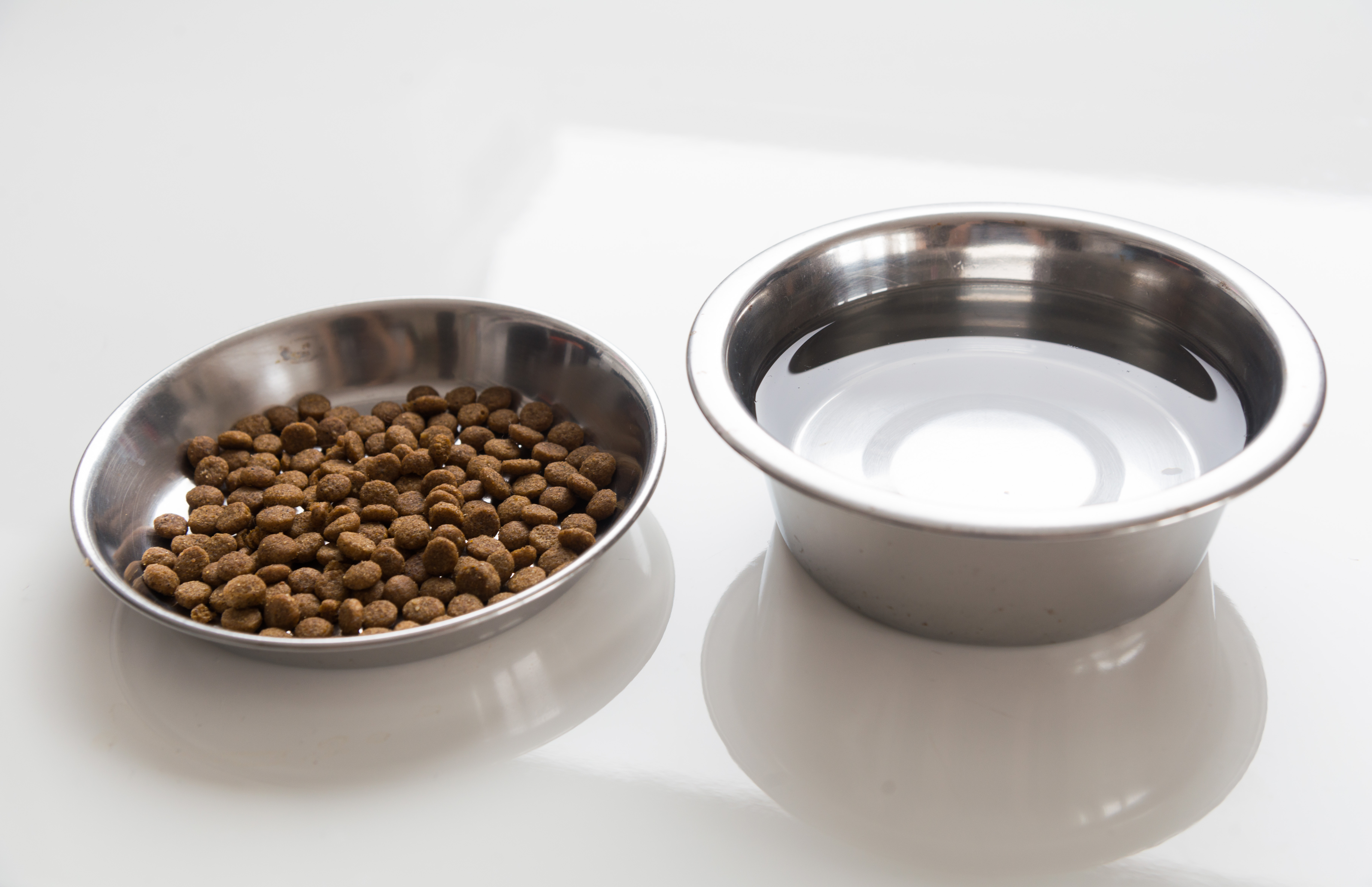
How to Effectively Clean Bowls to Prevent Biofilm Buildup
To ensure your furry friend stays healthy, it’s crucial to keep their water bowl clean and free of biofilm. Here are some steps you can follow:
– Daily Rinsing: Empty and rinse the bowl with hot water every day to remove food particles and prevent initial bacterial growth.
– Weekly Deep Clean: Once a week, wash the bowl thoroughly using warm, soapy water. A sponge or brush with soft bristles can help scrub away any stubborn biofilm. Rinse the bowl well to remove any soap residue.
– Use Vinegar or Baking Soda: For an extra level of cleanliness, you can soak the bowl in a mixture of water and vinegar or baking soda. This natural approach helps break down biofilm and eliminate odours. use a solution of roughly 1-part white vinegar to 2 parts water, soaking the bowl for 5-10 minutes before rinsing thoroughly; for baking soda, you can create a paste by mixing equal parts baking soda and water to scrub the bowl and then rinse.
– Dishwasher Safe Bowls: If your dog’s bowl is dishwasher safe, put it on the top rack and wash with a regular dishwashing cycle. The heat and detergent will help ensure any lingering bacteria are eradicated.
– Regular Replacement: Over time, scratches and grooves can develop in the bowl, making it easier for biofilm to take hold. Consider replacing your dog’s bowl if it has signs of wear and tear.
By keeping your dog’s water bowl clean, you can help protect their health and ensure they enjoy fresh water every day. Your pet’s wellbeing is undoubtedly important, and taking these simple steps can make a significant difference.
