



The Barbet
Historical Background
The Barbet is a breed steeped in history, with roots tracing back to medieval France. Its name derives from the French word “barbe,” meaning beard, which reflects the distinctive facial hair that is one of the breed’s hallmark features. The Barbet was historically known as a versatile water dog, revered for its exceptional ability to retrieve game from marshes and other watery environments. For centuries, it was a trusted companion of hunters, adept at working in challenging terrains and conditions.
In addition to its hunting prowess, the Barbet found favour among nobility and rural communities alike, prized not only for its working capabilities but also for its loyal and affectionate nature. The breed’s versatility extended beyond hunting; it became a valued companion and farm helper. However, like many traditional breeds, the Barbet faced a decline in the early 20th century, with its numbers dwindling during the two World Wars.
Thanks to dedicated enthusiasts, the breed has experienced a revival, gaining recognition for its unique history and charming qualities. Today, the Barbet remains a relatively rare breed, but it is cherished by those who value its blend of intelligence, adaptability, and endearing personality.
Description and Group Classification
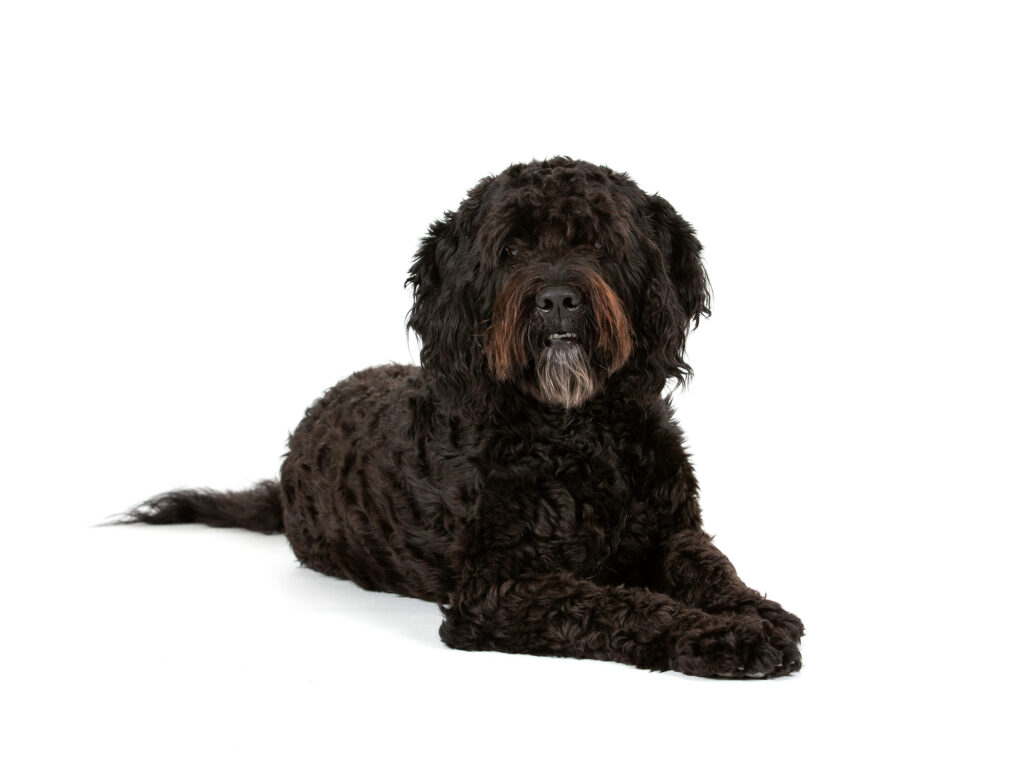
The Barbet is a medium-sized, robust dog with a distinctive shaggy, curly coat that covers its entire body, including its face. This dense coat serves a practical purpose, protecting the dog in cold, wet environments, as it was originally bred to work in and around water. Its round, expressive eyes and the beard-like facial fur give it an undeniably charming appearance.
The breed is classified within the “Utility” or “Sporting” group, depending on the kennel club, reflecting its historical role as a working dog. The Barbet embodies balance and athleticism, with a sturdy frame that allows it to move with both grace and strength. It is often likened to breeds such as the Poodle or Portuguese Water Dog due to their shared ancestry and similar features.
Suitability to Various Lifestyles and as a Family Dog
The Barbet is a remarkably adaptable breed, making it suitable for a range of lifestyles. Its intelligence and eagerness to please make it a wonderful addition to families, including those with children. Known for its affectionate and gentle nature, the Barbet thrives on human interaction and is happiest when it is included as part of daily family life.
For individuals or households with an active lifestyle, the Barbet is an excellent companion, enjoying outdoor activities such as walking, hiking, or playing in water. Its sociable temperament also makes it well-suited to homes with other pets, provided proper introductions are made. However, as a breed that bonds closely with its owners, it may not be the best choice for those who are frequently away from home.
Ideal Home Environment
The Barbet is a versatile breed that can adapt to both town and country living, provided its physical and social needs are met. In rural environments, it thrives with ample space to roam and opportunities to explore. For those in more urban settings, a secure garden and regular outings to parks or nature reserves can keep the Barbet happy and healthy.
Given its water dog heritage, access to water for occasional swims is a bonus, although not strictly necessary. The breed does best in homes where it is treated as a true member of the family, with plenty of attention, interaction, and mental stimulation.
Training Requirements
The Barbet is an intelligent and eager-to-please breed, making it relatively easy to train for those with a gentle and consistent approach. Positive reinforcement methods, such as treats, praise, and play, work exceptionally well for this sensitive dog. Harsh or overly strict training techniques should be avoided, as they can undermine the dog’s trust and willingness to learn.
Socialisation from an early age is crucial, ensuring the Barbet is comfortable with new people, animals, and environments. As a working breed, it excels in activities that challenge its mind and body, such as obedience, agility, or water sports. Regular training sessions not only provide structure but also strengthen the bond between dog and owner.
Breed Size and Colours
The Barbet is a medium-sized breed, with males typically standing between 58-65 cm at the shoulder and females slightly smaller, ranging from 53-61 cm. Weight can vary, but most Barbets fall between 17-30 kg, depending on their size and build.
The breed’s coat is one of its most distinctive features, consisting of long, woolly curls that can come in a variety of colours. These include black, brown, grey, fawn, and shades of white. Some Barbets may also exhibit markings or patches of different colours, adding to their individuality.
The Barbet has an average lifespan of 12 to 15 years, which is typical for a breed of its size. Factors such as genetics, diet, exercise, and overall care can influence its longevity.
Temperament and Personality Traits
The Barbet is known for its warm and affectionate temperament. It is a friendly and sociable breed that forms strong bonds with its family, often following its owners from room to room. Despite its working heritage, the Barbet has a calm and patient demeanour, making it an excellent companion for families with children.
This breed is naturally inquisitive and playful, enjoying both structured activities and relaxed downtime with its loved ones. While generally good-natured with other animals, it benefits from early socialisation to ensure harmonious interactions.
As an active and intelligent breed, the Barbet requires regular physical and mental stimulation to stay happy and healthy. Daily walks, play sessions, and opportunities for off-lead exploration in safe areas are essential. The breed’s love for water means that swimming can be a particularly enjoyable form of exercise.
In addition to physical activity, the Barbet benefits from activities that engage its mind, such as puzzle toys, obedience training, or canine sports. A well-exercised Barbet is a content and well-behaved companion.
The Barbet’s dense, curly coat requires regular grooming to prevent matting and keep it in good condition. A thorough brushing two to three times a week is recommended, with more frequent attention during periods of heavy shedding. Professional grooming every few months may also be necessary to maintain the coat’s shape and manage its length.
Regular ear cleaning is important for the breed, as its floppy ears can be prone to infections if not kept clean and dry. Routine nail trimming and dental care should also be part of the grooming regimen.
Health
The Barbet is generally a healthy breed, but like all dogs, it is predisposed to certain health conditions. Common concerns include hip dysplasia, progressive retinal atrophy (PRA), and ear infections due to its floppy ears and love of water.
Regular veterinary check-ups, a balanced diet, and appropriate exercise can go a long way in maintaining the breed’s overall health. For prospective owners, seeking a reputable breeder who conducts health testing on their breeding dogs is essential to reduce the risk of hereditary conditions.
