


A dog owners guide
Canine hydrotherapy is becoming more widely used as a rehabilitation method for dogs with various conditions, with typical session costs ranging between £40 to £70. This water-based therapy provides numerous benefits for our four-legged friends, from helping dogs recover after surgery to managing long-term conditions like arthritis and hip dysplasia.
The warm water used in hydrotherapy (usually maintained at a comfortable 28-32 degrees Celsius) works wonders for stiff joints while giving your dog the opportunity to exercise without putting too much pressure on their body. This gentle environment allows muscles to strengthen gradually and promotes healing without the strain that normal land-based exercise might cause.
This guide will help you understand everything you need to know about finding trusted hydrotherapy services in your area, what happens during a typical session, and how to ensure your dog gets the maximum benefit from this therapeutic treatment.
Before booking your dog in for hydrotherapy sessions, you’ll need to get a veterinary referral first. This is essential as your vet needs to confirm that hydrotherapy is suitable for your dog’s specific condition. It’s also important that you understand what the treatment involves, as different dogs may require different approaches depending on their needs.
Finding the right hydrotherapy centre is crucial for your dog’s recovery journey, whether they’re recuperating from surgery or simply need gentle exercise to maintain fitness. Canine hydrotherapy is not a regulated industry in the UK, but there are various associations, such as the Canine Hydrotherapy Association (CHA), for hydrotherapists with proven qualifications. Not all facilities offer the same quality of care, so knowing what to look for is vital for your dog’s wellbeing and progress.
When to Consider Hydrotherapy for Your Dog
Hydrotherapy can be extremely helpful for dogs in specific situations, providing a supportive environment for healing and exercise. Let’s look at when this water-based therapy might be right for your dog.
- Post-surgery rehabilitation
Canine hydrotherapy works particularly well for dogs recovering from surgery, as it creates conditions where healing can happen with minimal stress on the body. The buoyancy of water takes pressure off surgical incisions and supports weight-bearing joints, giving significant pain relief during exercise. This makes hydrotherapy an excellent choice for dogs recovering from procedures like TPLO (Tibial Plateau Levelling Osteotomy) surgeries.
Hydrotherapy sessions should ideally begin about two weeks after surgery, once sutures have been removed and the wound has properly healed. For the best results, most rehabilitation programmes suggest 1-2 sessions weekly until the 8-week recheck appointment. It’s worth noting that strengthening muscles before surgery can help prevent problems afterwards and shorten rehabilitation time.
- Managing chronic conditions
Several chronic conditions respond very well to hydrotherapy treatment. These include:
- Arthritis and joint pain
- Hip and elbow dysplasia
- Neurological problems
- Cruciate and other ligament injuries
- Spinal conditions and injuries
- Soft tissue injuries
The warm water (typically 28-32°C) helps manage pain by allowing muscles and tissues to relax, which increases elasticity and cell metabolism. The hydrostatic pressure of water also reduces inflammation and swelling around joints, while the water’s buoyancy significantly decreases stress on joints during movement.
For elderly or disabled dogs that find normal walking difficult, hydrotherapy lets them use their limbs more freely. With regular sessions, both strength and limb function improve dramatically, and there’s often an improvement in the dog’s mental health too.
- Fitness and weight management options
Beyond just rehabilitation, canine hydrotherapy provides excellent fitness benefits. Water resistance means dogs must work harder to maintain similar speeds compared to land exercise, which increases cardiovascular demand and improves stamina.
For overweight dogs, hydrotherapy is an ideal exercise solution. Studies have shown that losing just 6% of excess body weight will significantly reduce lameness in dogs with arthritis. The underwater treadmill allows overweight dogs (who might struggle with normal land-based exercise) to work out more comfortably. Exercise in water burns more calories than the same exercise on land due to the natural resistance of water.
Hydrotherapy also benefits young, active dogs by providing safe exercise that burns energy without risking damage to developing bones and joints. For canine athletes, it’s one of the best total body conditioning exercises available, improving cardiovascular fitness, muscle tone and core strength.
The Cost of Canine Hydrotherapy Services
Understanding what canine hydrotherapy costs is really important before you commit to treatment for your dog. Let’s look at the typical prices, insurance options, and whether this therapy offers good value for money.
Average price ranges for sessions
Canine hydrotherapy sessions in the UK generally cost between £30 and £50. It’s worth noting that prices do vary depending on where you live, the type of facility you choose, and what your dog specifically needs.
The first assessment session usually costs more than regular appointments, with the average price sitting around £47.91. These initial assessments are more detailed and typically take about an hour to complete.
Many hydrotherapy centres organise their pricing based on what the session is for:
- Medical rehabilitation sessions: £40-£60
- Weight loss/medical progression: £33-£59.30
- Recreational/fitness swimming: £28-£45
Sessions using an underwater treadmill often cost more than swimming therapy, with prices ranging from £27.80 to £39.71. For dogs that need more than one hydrotherapist during their session, some centres keep the price the same regardless of how many staff are needed.
Insurance coverage possibilities
Many pet insurance policies now include hydrotherapy as part of their complementary therapy coverage. Different policies have different limits, usually between £500-£2,500 per year within your overall vet fee limit.
For your insurance to cover hydrotherapy, certain conditions need to be met:
- A qualified vet must recommend the treatment
- The hydrotherapy centre needs to be registered with recognised organisations like CHA
- The treatment must be carried out by a registered veterinary practice or approved professional
Always check with your insurer before starting any hydrotherapy treatment to confirm your coverage details and understand the claim process. While centres don’t usually claim directly from insurers, they will give you all the paperwork you need for your claim.
Value assessment: is it worth the investment?
When thinking about whether hydrotherapy is worth the money, you need to consider both the immediate costs and the long-term benefits. Intensive recovery programmes requiring 2-3 sessions every week for 6-8 weeks might cost over £1,200 for a complete course.
That said, many centres offer discounts if you book multiple sessions at once, with savings of around 10% being common. This makes ongoing treatment plans more affordable. In the end, hydrotherapy can be a cost-effective alternative to more drastic options like joint replacement surgeries, which can potentially cost thousands of pounds. Regular hydrotherapy sessions may also reduce your ongoing spending on pain management medications and supplements, while significantly improving your dog’s mobility and quality of life.
What Happens During a Veterinary Hydrotherapy Session
Each hydrotherapy session follows a careful approach to make sure your dog is both safe and getting the most benefit from treatment. Understanding what to expect helps both you and your furry friend feel more at ease with this therapeutic process.
Initial assessment procedures
Your first visit involves a detailed evaluation that usually takes about 45 minutes to one hour. A qualified veterinary physiotherapist will carry out this assessment, which includes:
- A thorough review of your dog’s medical history
- Gait analysis to spot any unusual movement patterns
- Physical examination to check muscle tone and tension
- Detailed assessment of bones, joints and muscles
Most centres will measure your dog’s muscle mass to identify any imbalances and create a starting point for tracking progress. This comprehensive assessment lets therapists develop a treatment plan specifically designed for your dog’s particular condition.
The hydrotherapy experience step-by-step
After completing the assessment, the actual hydrotherapy session begins:
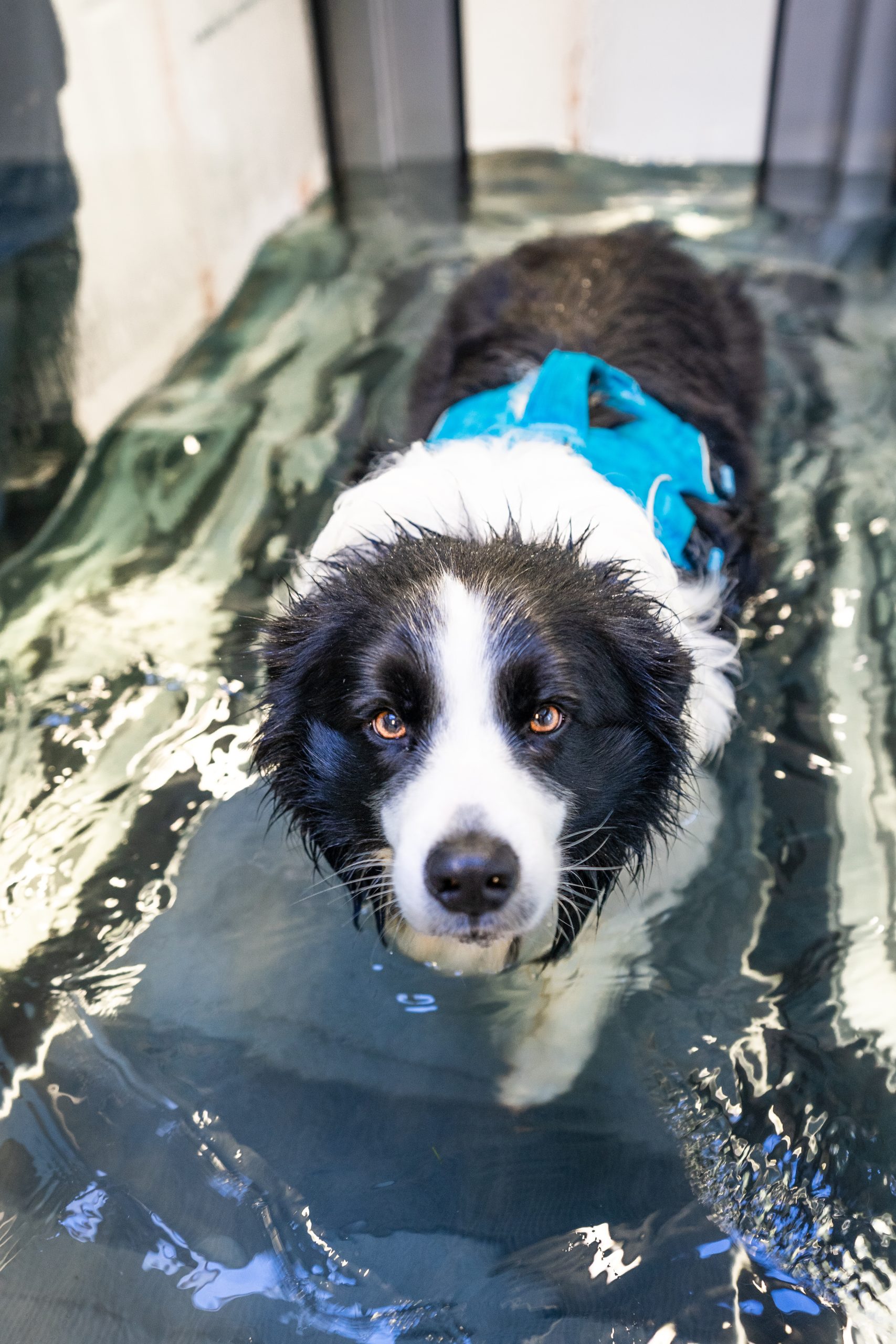
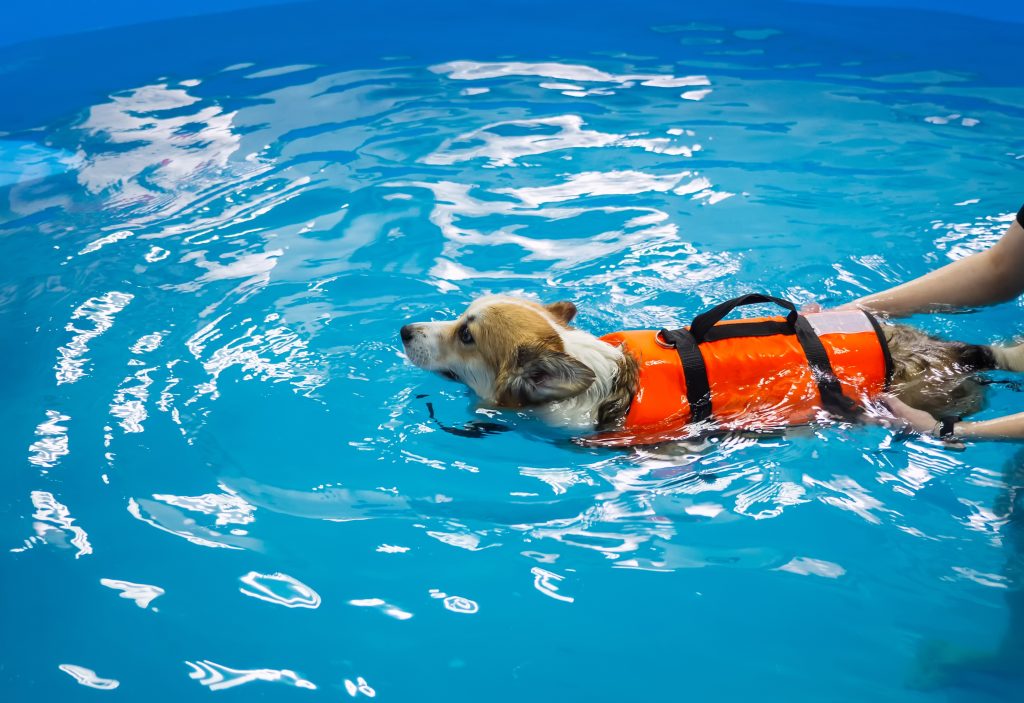
- Your dog will be fitted with a suitable buoyancy aid or life jacket for safety (this is essential even for dogs who are good swimmers)
- A quick shower removes any dirt and grit from your dog’s paws and legs
- Your dog will be gently introduced to the water environment to help them get comfortable
- For pool sessions, the therapist stays in the water, providing constant support and guidance throughout
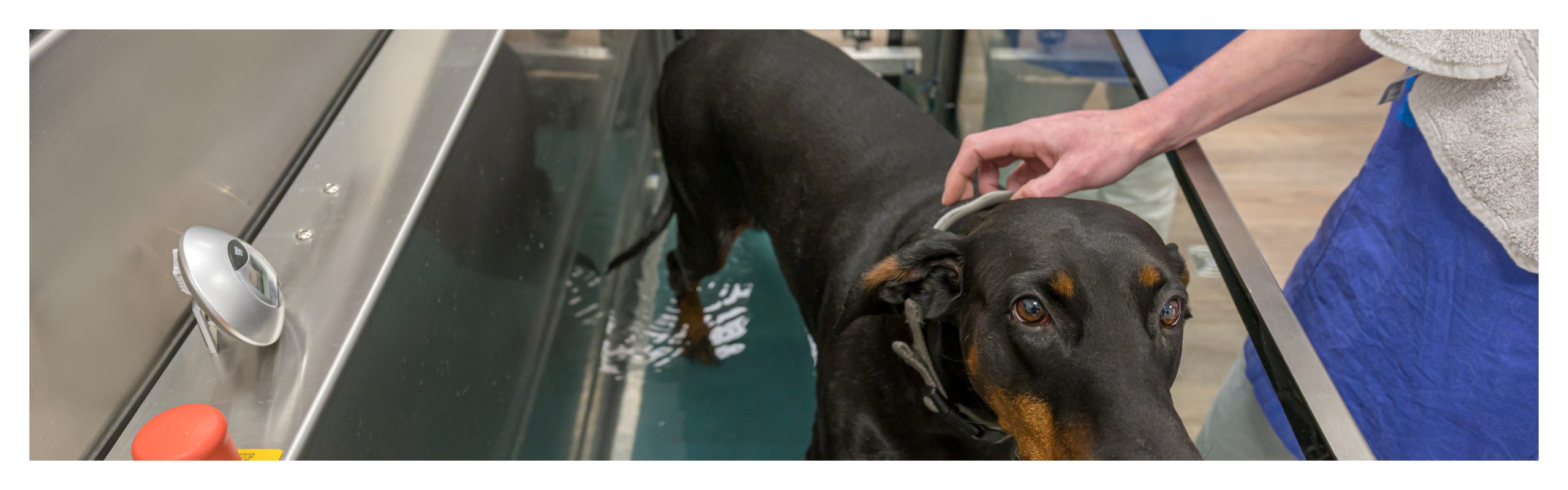
- For underwater treadmill work, the water level is adjusted based on your dog’s size and specific needs
Dogs attending their first session might start with just one lap of swimming or short treadmill intervals with plenty of breaks. Throughout the session, therapists keep a close eye on your dog’s response and adjust the exercises accordingly.
Session duration and frequency recommendations
Standard hydrotherapy appointments typically last 20-30 minutes, though follow-up sessions might extend to 30-45 minutes. For dogs just starting out, initial treatments might be as brief as 1-2 minutes, gradually increasing as your dog’s fitness improves.
How often your dog needs sessions depends on several factors:
- Their specific medical condition
- Age and breed
- Current fitness level
- Rehabilitation goals
For dogs recovering from surgery, experts often suggest 2-3 sessions every week, while maintenance programmes might only need 1-2 sessions every two weeks. Your physiotherapist will regularly assess your dog’s progress and adjust the treatment schedule as needed. Don’t be surprised if your dog is tired after their first few sessions – this is completely normal as they’re using muscles in new ways!
Maximising Benefits from Your Dog’s Hydrotherapy
What you do between professional hydrotherapy sessions is just as important as the therapy itself. With proper home care, regular progress tracking, and complementary treatments, you can significantly enhance your dog’s recovery and overall results.
Home care between sessions
Always thoroughly dry your dog after each hydrotherapy session, paying special attention to their ears and between the toes. This helps prevent potential infections. Leaving your dog wet, especially during colder months, can cause further stiffness and discomfort in their joints and muscles.
Heat and cold therapy can be really helpful between professional sessions. For inflammation and pain relief, use ice packs wrapped in a towel for about 15 minutes every 6-8 hours. Warm compresses work well to loosen stiff joints and relax muscles before gentle exercise – apply these for 10-15 minutes twice daily.
Gentle range-of-motion exercises, like passive limb “bicycling,” help maintain joint mobility between hydrotherapy sessions. These movements are similar to the controlled exercises done during professional therapy and help prevent your dog from losing progress between appointments.
Tracking progress indicators
Keeping an eye on your dog’s improvement throughout treatment gives you valuable insights into how effective their recovery is. Professional hydrotherapists typically monitor several measurable factors:
- Changes in joint range of movement
- Improvements in muscle mass and condition
- Increases in strength and changes in walking pattern
- Cardiovascular fitness levels
At home, look for behavioural changes such as increased activity levels, less limping, better sleep patterns, and improved overall mood. Many rehabilitation centres provide progress reports and graphs showing improvements over time, which you can share with your regular vet.
Complementary treatments to consider
Combining hydrotherapy with other therapies often leads to better results. Physiotherapy works particularly well alongside hydrotherapy, as both focus on improving movement and mobility. Some rehabilitation centres even offer combined physiotherapy and hydrotherapy sessions for more comprehensive care.
Other beneficial complementary treatments include:
- Laser therapy to reduce pain and inflammation
- Massage techniques to improve circulation
- Chiropractic treatments for spinal issues
- Osteopathy for musculoskeletal mobility
A multi-therapy approach is usually most effective, but it’s worth noting that the wrong therapy—or even the right therapy at the wrong time—can potentially make your dog’s condition worse. Always consult with your vet before adding any new complementary treatments to your dog’s rehabilitation plan. Your vet knows your dog’s full medical history and can help guide you toward the most appropriate combination of therapies.
Canine hydrotherapy is a valuable therapeutic tool that can really help with your dog’s health and recovery needs. It works effectively for post-surgery rehabilitation, managing ongoing conditions like arthritis, and maintaining general fitness and weight control. The benefits for your furry friend can be measured in improved mobility, reduced pain, and better quality of life.
Getting the most from hydrotherapy depends on several important factors. Finding qualified professionals who understand your dog’s specific needs is essential, as is having a clear understanding of costs and potential insurance coverage. The work you do at home between sessions (thorough drying, gentle exercises, and possibly heat or cold therapy) plays a huge role in your dog’s overall progress.
Remember that every dog responds differently to hydrotherapy treatment. Some dogs take to it immediately, while others need more time to feel comfortable in the water environment. Working closely with veterinary professionals ensures your dog receives treatment that’s tailored specifically to their needs and recovery goals. Many dogs show significant improvement in mobility, strength, and overall happiness with consistent sessions and proper aftercare.
Don’t be discouraged if progress seems slow at first – rehabilitation takes time, and small improvements often lead to bigger changes. With patience and the right support, hydrotherapy can make a remarkable difference to your dog’s wellbeing and comfort.
