


Understanding Acid Reflux in Dogs
Acid reflux in dogs is a common digestive issue that can cause discomfort and health problems for our canine companions. This condition occurs when stomach acid flows back into the oesophagus, leading to irritation and potential damage. Understanding the signs and causes of acid reflux in dogs has an influence on providing timely and effective care.
In this article, we will explore the symptoms of acid reflux in dogs, including appetite loss, coughing, and whining. We’ll discuss how to diagnose this condition and examine various treatment options, such as dietary changes, medications like sucralfate and famotidine, and lifestyle adjustments. By the end, you’ll have a better grasp of how to manage acid reflux and improve your dog’s quality of life.
What is canine acid reflux?
Acid reflux in dogs, also known as gastroesophageal reflux disease (GERD), is a common digestive disorder that occurs when stomach acid or intestinal fluids flow back into the oesophagus. This condition happens when the lower oesophageal sphincter, a muscular valve at the entrance of the stomach, fails to function properly or relaxes at inappropriate times. As a result, the acidic contents of the stomach move upwards, causing irritation and potential damage to the oesophageal lining.
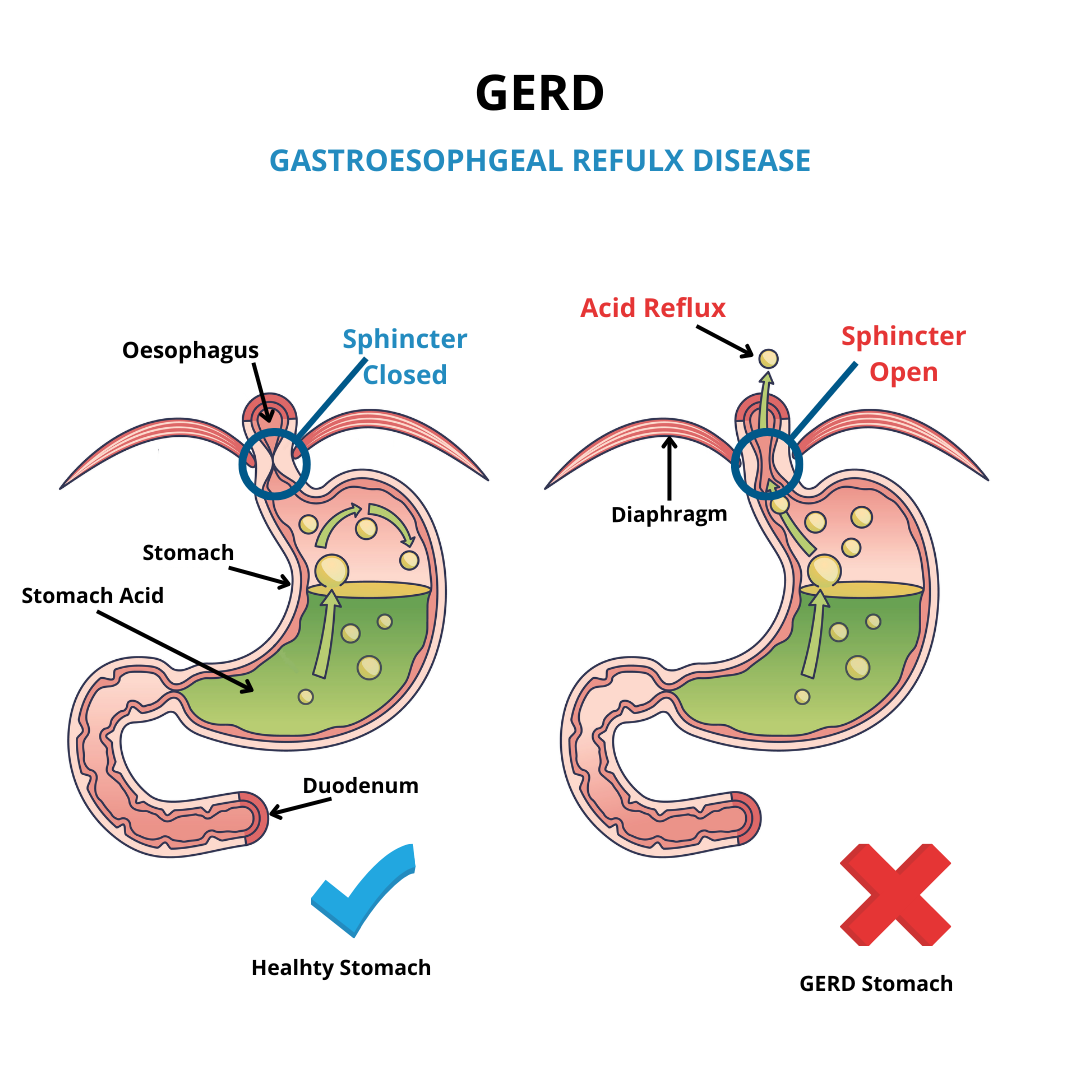
The reverse flow of stomach acid creates a burning sensation in the chest and throat of affected dogs, making it difficult for them to swallow food or water. In severe cases, acid reflux can lead to erosion of the oesophageal tissues and increase the risk of ulcers, causing significant discomfort and health issues for our canine companions.
Common causes of acid reflux in dogs
Several factors can contribute to the development of acid reflux in dogs. One of the primary causes is a hiatal hernia, a structural defect where the top of the stomach protrudes through the diaphragm into the chest cavity. This condition weakens the lower oesophageal sphincter’s ability to close properly, allowing stomach acid to invade the oesophagus.
Other common causes of acid reflux in dogs include:
- Excessive production of stomach acid
- Underproduction of stomach acid
- Ingestion of foreign objects affecting the throat
- Reaction to anaesthesia after surgery
- Consumption of inappropriate or spicy foods
- Food allergies
- Stress or bacterial infections
- Prolonged acid production due to a high-fibre diet
- Irregular meals or long periods between feeds
It’s important to note that vomiting, while often a symptom of acid reflux, can also be a contributing factor due to the damage it inflicts on the oesophagus.
Risk factors for developing GERD
Certain factors can increase a dog’s likelihood of developing gastroesophageal reflux disease. Age plays a role, as younger dogs may be at higher risk because their lower oesophageal sphincter is still developing and may not function as efficiently.
Breed predisposition is another significant factor. Brachycephalic breeds, such as Pugs, Bulldogs, and Boxers, are particularly prone to acid reflux due to their shorter oesophagus. Additionally, some breeds like Shar-Peis have a genetic predisposition to GERD.
Obesity has an influence on increasing the risk of acid reflux in dogs. Excess weight can constrict the gastroesophageal space, forcing acid up the oesophagus. Other risk factors include:
- High blood calcium levels
- Certain medications, such as prednisone
- Improper positioning during anaesthesia
- Congenital or acquired hiatal hernias
To manage acid reflux effectively, it’s crucial to identify and address these underlying causes and risk factors. By understanding the nature of canine acid reflux and its contributing factors, dog owners can work closely with their vet to develop appropriate treatment plans and improve their dogs’ quality of life.
Recognising the Symptoms
Common signs of acid reflux
Identifying acid reflux in dogs can be challenging, as the symptoms may vary in severity and frequency. However, there are several common signs that dog owners should be aware of. One of the most noticeable symptoms is regurgitation of food, which differs from vomiting as it occurs passively without abdominal heaving. Dogs with acid reflux may also exhibit signs of discomfort, such as whining or pacing, particularly after eating.
A decrease in appetite has an influence on a dog’s overall health and can be a telltale sign of acid reflux. Owners might notice their dogs showing reluctance to eat or eating only small amounts before stopping. Excessive salivation and frequent lip-licking are also indicators of nausea associated with gastroesophageal reflux disease (GERD).
Coughing, especially after meals, has an influence on a dog’s breathing and can be a symptom of acid reflux. In some cases, the cough may be accompanied by wheezing or a change in the dog’s bark. Bad breath is another common sign, resulting from the regurgitation of stomach acid.
Differentiating between acid reflux and other conditions
It’s important to note that the symptoms of acid reflux can mimic those of other health issues. For instance, vomiting bile may be a sign of acid reflux, but it can also occur when a dog’s stomach is empty or due to Inflammatory Bowel Disease. Similarly, difficulty swallowing (dysphagia) can be caused by acid reflux or by other conditions affecting the oesophagus.
To differentiate acid reflux from other conditions, it’s helpful to observe the timing of symptoms in relation to mealtimes. Acid reflux symptoms often worsen after eating, particularly if the dog consumes a large meal. Additionally, paying attention to the dog’s posture and behaviour during and after meals can provide valuable insights.
When to consult your vet
If a dog displays persistent symptoms of acid reflux, it’s crucial to consult a vet. Prolonged acid reflux can lead to more severe complications, such as oesophagitis or even oesophageal ulcers. Weight loss resulting from decreased food intake has an influence on the dog’s overall health and requires prompt attention.
Dog owners should seek veterinary care if they notice their dog experiencing difficulty breathing, persistent coughing, or signs of pain when eating. It’s also advisable to consult a vet if the dog shows signs of lethargy or develops a fever, as these could indicate more serious conditions like aspiration pneumonia.
To assist in diagnosis, owners can keep a record of their dog’s symptoms, including frequency and timing in relation to meals. Video recordings of symptomatic episodes can be particularly helpful, as dogs may not exhibit typical signs during a veterinary consultation. This information has an influence on the veterinarian’s ability to make an accurate diagnosis and develop an appropriate treatment plan for the dog’s acid reflux.
Diagnosing Acid Reflux in Dogs
Physical examination
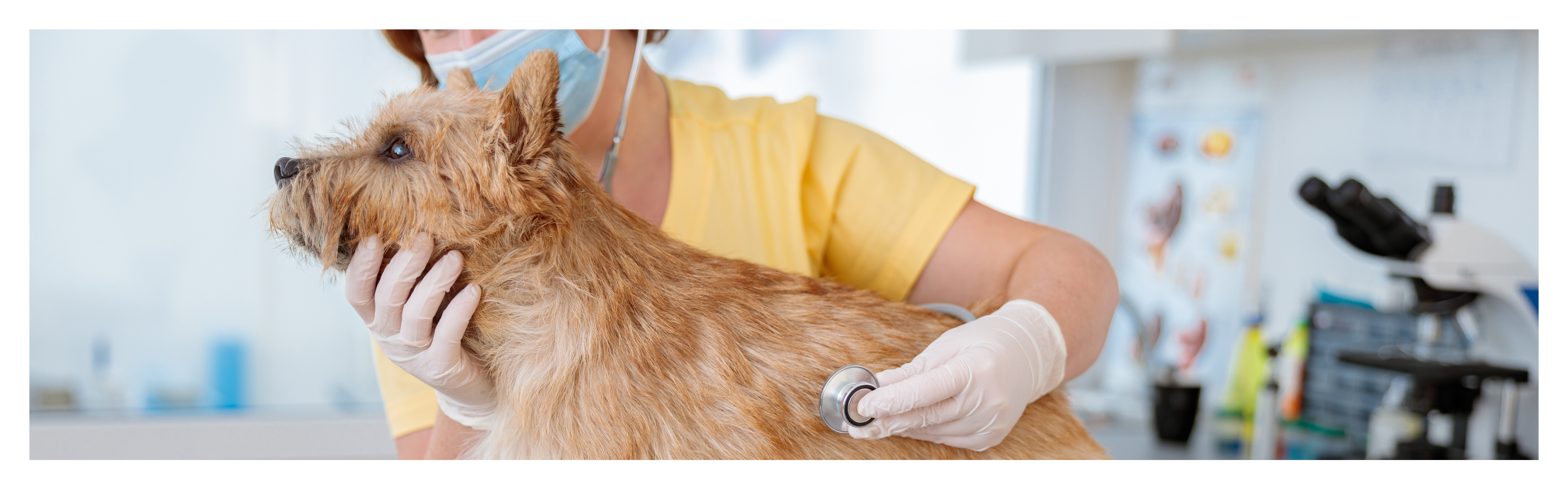
When a dog shows signs of acid reflux, the first step in diagnosis is a thorough physical examination. The vet will check the dog’s overall health, including vital signs, coat condition, and any signs of discomfort. They will palpate the abdomen to feel for any masses, obstructions, or abnormalities that might be causing the symptoms. The vet will also listen to the dog’s chest and abdomen using a stethoscope to detect any unusual sounds that could indicate digestive issues.
Diagnostic tests and procedures
If acid reflux is suspected, the veterinarian may recommend several diagnostic tests to confirm the condition and rule out other potential causes. Blood tests, such as a complete blood count (CBC) and serum biochemistry profile, help assess the dog’s overall health and organ function. A urinalysis may also be performed to check for signs of dehydration or kidney issues.
One of the most effective diagnostic tools for acid reflux in dogs is endoscopy. This procedure involves inserting a long, flexible tube with a camera into the dog’s oesophagus and stomach while the animal is under sedation. The endoscope allows the veterinarian to visualise the lining of the oesophagus and stomach, looking for signs of irritation, inflammation, or ulceration that are consistent with gastroesophageal reflux disease (GERD).
In some cases, the vet may recommend imaging tests such as X-rays or ultrasound to examine the chest and abdomen. These tests can help identify any structural abnormalities, such as hiatal hernias, that may be contributing to the acid reflux. For more detailed imaging, a contrast study called an esophagography may be performed. This involves giving the dog a radiopaque substance to swallow before taking X-rays, which can highlight any abnormalities in the oesophagus or stomach.
Ruling out other conditions
Since the symptoms of acid reflux can be similar to those of other gastrointestinal disorders, it’s crucial to rule out other conditions. The vet will consider the dog’s breed, age, and medical history when making a diagnosis. Brachycephalic breeds, for example, are more prone to acid reflux due to their anatomy.
Other conditions that may mimic acid reflux include foreign body ingestion, oesophageal tumours, and certain neurological disorders affecting swallowing. The vet may need to perform additional tests or refer the dog to a specialist for further evaluation if the initial diagnostic tests are inconclusive.
In some cases, if the symptoms strongly suggest acid reflux and other conditions have been ruled out, the veterinarian may recommend a therapeutic trial. This involves starting the dog on appropriate treatments for acid reflux and monitoring the response. If the symptoms improve with treatment, it can help confirm the diagnosis of GERD.
By conducting a thorough physical examination and using various diagnostic tools, veterinarians can accurately diagnose acid reflux in dogs and develop an effective treatment plan to manage the condition and improve the dog’s quality of life.
Effective Treatment Options
Dietary modifications
Dietary changes have an influence on managing acid reflux in dogs effectively. Veterinarians often recommend feeding smaller, more frequent meals to reduce the pressure on the stomach and lower oesophageal sphincter. This approach helps to prevent the stomach from becoming overly full, which can cause acid to flow back into the oesophagus.
For dogs with gastroesophageal reflux disease (GERD), a low-fat diet has an influence on reducing symptoms. Protein levels may also need to be moderated, with some experts suggesting diets containing around 21% protein. Highly digestible, low-residue diets can be beneficial, as they promote optimal gut motility and reduce the likelihood of stomach contents refluxing.
Soft foods are often preferable for dogs with acid reflux, as they are easier to digest and less likely to irritate an inflamed oesophagus. Owners can consider soaking dry kibble in water to soften it or switching to wet food options. Some dogs may benefit from a fresh or home-cooked diet, which allows for better control over ingredients and can be tailored to the dog’s specific needs.
Medications for managing acid reflux
When dietary modifications alone are insufficient, medications have an influence on providing relief from acid reflux symptoms. Antacids are commonly prescribed to reduce stomach acidity and protect the oesophagus from damage. Famotidine (Pepcid), ranitidine (Zantac), and cimetidine (Tagamet) are examples of H2 receptor antagonists that can help decrease acid production.
Proton pump inhibitors like omeprazole (Prilosec) are often considered the most effective medications for treating GERD in dogs. These drugs work by suppressing the production of stomach acid, providing relief from symptoms and allowing the oesophagus to heal.
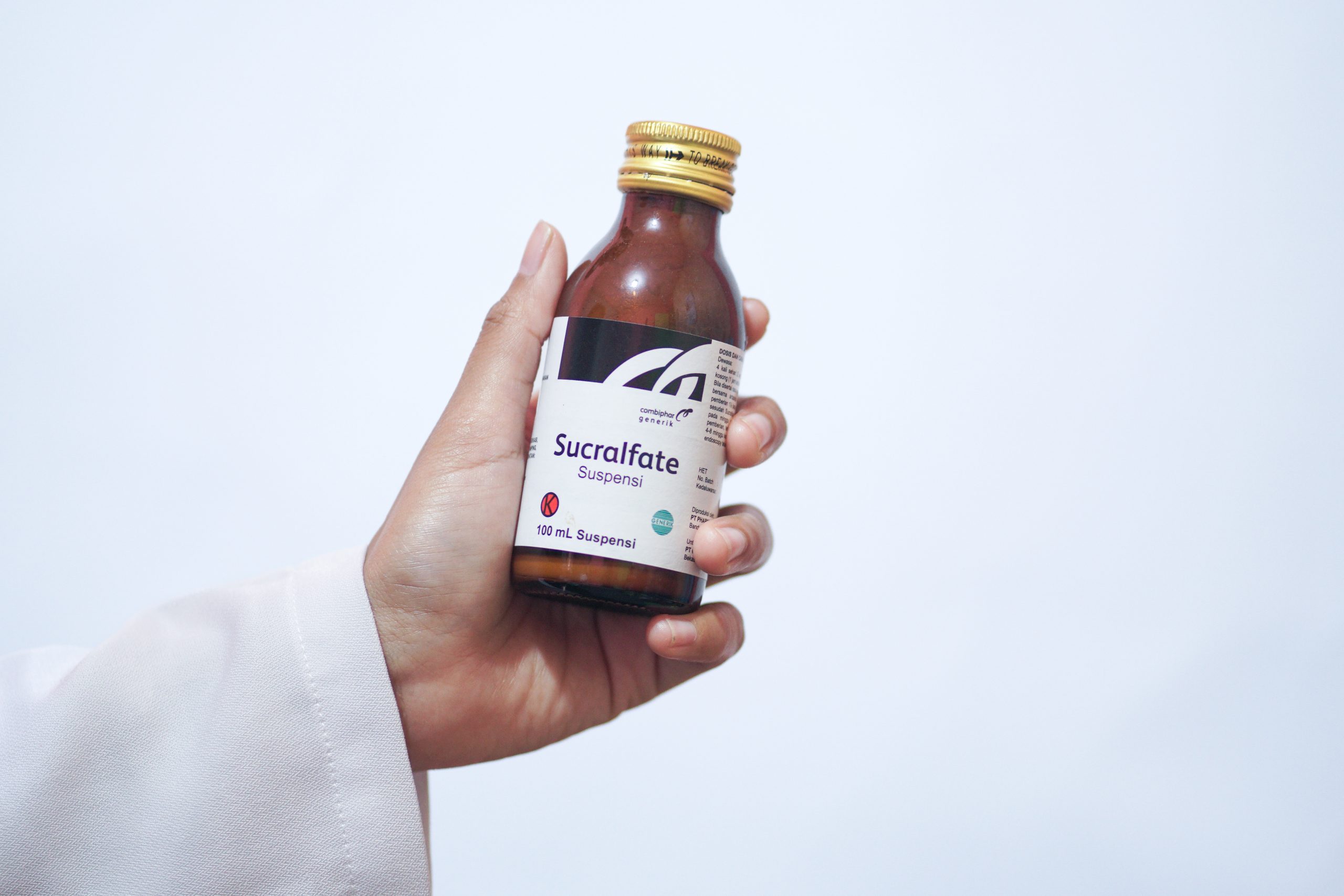
Sucralfate has an influence on protecting the oesophageal lining by forming a protective coating over irritated areas. This medication is particularly useful for dogs with oesophagitis or ulceration resulting from chronic acid reflux.
In some cases, prokinetic medications such as metoclopramide or cisapride may be prescribed to improve gastric motility and strengthen the lower oesophageal sphincter, reducing the likelihood of reflux occurring.
Lifestyle changes to reduce symptoms
In addition to dietary modifications and medications, certain lifestyle changes have an influence on managing acid reflux in dogs. Maintaining a healthy weight has an influence on reducing pressure on the stomach and diaphragm, which can help alleviate symptoms. For overweight dogs, a carefully managed weight loss plan may be necessary.
Elevating the dog’s food and water bowls can help to promote better posture during meals, potentially reducing the risk of reflux. Additionally, avoiding late-night feedings and ensuring the dog remains upright for a period after eating can help prevent stomach contents from flowing back into the oesophagus.
Stress reduction techniques, such as providing a calm eating environment and addressing any underlying anxiety issues, can also have an influence on managing acid reflux symptoms in dogs. Some owners may find success with natural remedies like probiotics or slippery elm bark, which can help soothe the digestive tract and promote overall gut health.
Conclusion
Managing acid reflux in dogs requires a comprehensive approach that combines dietary changes, medication, and lifestyle adjustments. By understanding the symptoms and causes of this condition, dog owners can work closely with their vets to develop effective treatment plans. This approach has an influence on improving their pet’s quality of life and preventing more serious complications.
To wrap up, early detection and proper management of acid reflux are key to ensuring our canine companions’ well-being. With the right care and attention, most dogs with acid reflux can lead happy, healthy lives. Remember, every dog is unique, so it’s crucial to tailor the treatment to your pet’s specific needs and monitor their progress closely.
Further reading on GERD.
Disclaimer: The contents of Itsadogz.life website are for informational and educational purposes only and should NOT replace professional Veterinary Advice. Always consult a qualified Veterinarian regarding your dog’s health and any concerns you may have.
Neither the owners nor creators of this site are engaged in providing veterinary medical services via this site and assume no responsibility for any consequence relating directly or indirectly to any action you take or do not take based on the information, services, products, or other materials provided on this site.
