



Dog insurance
Our article on pet insurance explained, serves only as a guide to the different types of pet insurance. It is up to the owner to select the policy they think is right for them and their dog and to read the small print.
Let’s face it, when it comes to insuring our pets it is a minefield. In this article, we will endeavour to explain pet insurance, the various policies out there and why costs seem to vary so widely.
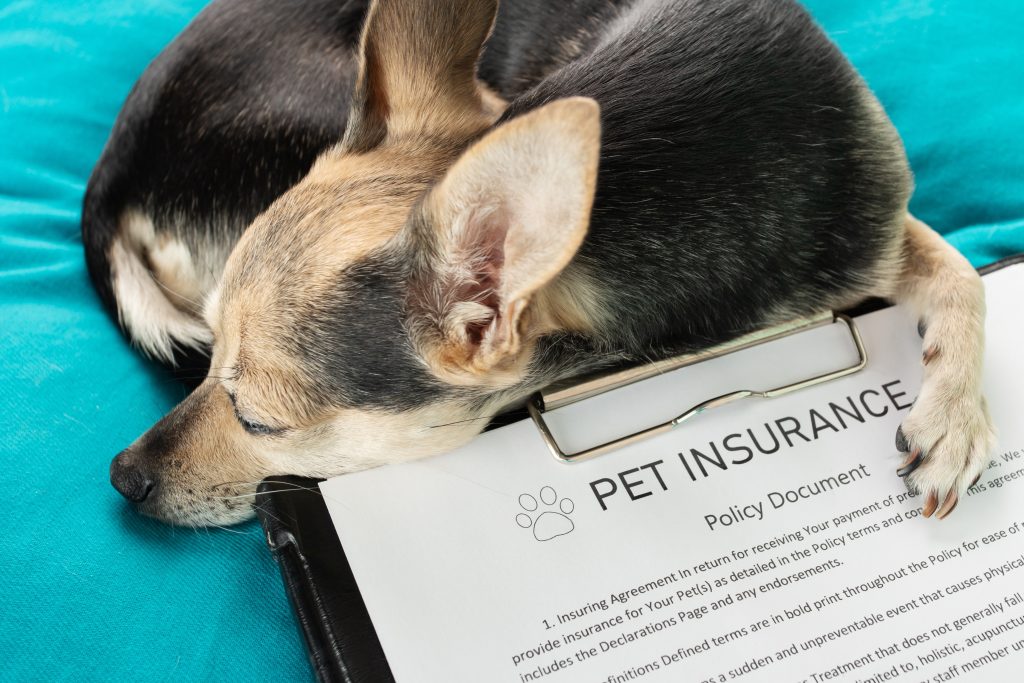
When looking for pet insurance or talking to people about it, have you ever wondered why the cost seems to vary so widely?
There are four factors that influence the cost.
- Your location – this reflects the different costs incurred by vets in different areas of the country. For example, vets in London are more expensive than those outside of the capital due to the higher costs associated with living and working in the capital. The increased costs are then reflected in the policy premiums for that area.
- Type of insurance – There are 3 different types of insurance cover (we will cover these in more detail shortly):
a. Life time cover
b. Annual (also known as Time Limited)
c. Accident - Your dog’s age – the older the dog, the higher the potential for health problems.
- Your dog’s breed – some breeds are more predisposed to health problems such as Bulldogs and, Shar-Pei to name but two.
- Level of cover – the more basic the cover, the lower the monthly cost.
What does dog insurance cover?
When you first buy any pet insurance you will only be covered for accidents for the first 14 days, this means if you have to visit the vet with your dog for anything such as an eye infection then you won’t be able to claim and there is a high probability that the policy won’t subsequently cover the reason why you went to the vets as it will be treated as a pre-existing condition.
That aside the insurance will or will possibly cover the items listed below but always read the small print to double-check that the issues that concern you most are covered:
- Any vet bills after the first 14 days (if it is a new policy) unless it is a pre-existing condition.
- Loss or theft of your pet – you will need to check that this also covers the purchase price of your dog. Most insurance companies will pay an amount towards the cost of advertising to help find your lost dog. Some policies will cover the cost of a reward for your dog (£250 or more) or offer the cost to replace your pet.
- Behavioural problems, most but not all policies will cover the cost. Depending on the behaviour problem you will need a vet referral to a behaviourist or specific treatment recommended by your vet.
- Death by illness or injury, a qualified vet may need to certify the cause of death, you may need to arrange this. There is usually an age limit attached to this clause, it is also worth checking to see if euthanasia is also covered if your pet has to be put to sleep, most policies do cover this.
- Third Party Liability – This covers you for any legal costs, expenses and claimant’s expenses should your dog injure someone or their pet or damage their property. If pet insurance isn’t for you, then you can buy just Third Part Liability cover on its own from The Dogs Trust.
- Overseas travel, most policies either cover or can be extended to cover a period of time overseas such as a holiday. The majority of policies will also cover the cost of having to cancel a holiday because your dog has become life threateningly ill before you travel. It is always a good idea to check your policy before you intend to go on holiday with or without your best friend.
- Boarding kennels or cattery – covers any boarding fees that are incurred because you must stay in hospital for more than four days in a row.
The Insurers will also put an exclusion clause in the policy to the effect that anything that you have taken your dog to the vet for before the policy was taken out or during the first 14 days, is not covered. However, some companies will cover pre-existing conditions but with different terms to those conditions that occur after the policy is taken out. Or some will write into the policy that pre-existing conditions will be covered after two years if the condition does not reoccur in a set period of time.
Some breeds with known problems such as knee issues have the exclusion already included in the policy because it’s a known issue and deemed to be a pre-existing condition. However, some insurers will insure pre-existing conditions (anything that has occurred in the two years before the policy was taken out) but they will only be covered if your pet has not needed to go to the vet for advice, treatment or medication for three months before the treatment you are claiming for). Your dog will be covered for a portion of the full cover amount when you take the policy out, which will increase to the full cover amount if you haven’t had to seek veterinary advice, medication or treatment for the condition for two years, as the condition is then considered not to be pre-existing.
Routine health care is also excluded but many vets offer their own healthy pet plan, which for a monthly fee includes wormers and flea/tick prevention, vaccinations, yearly health checks, and some offer pre-op blood tests as part of this scheme.
Types of insurance
1) Lifetime cover – which is then subdivided into
a. Annual Limit PER CONDITION, these tend to have lower vet fee cover per condition per year. So, if your dog had epilepsy and you had this policy and it was £5k per year per condition then you would be covered until the vet fees and medication reached the £5k limit, then you would have to self fund that condition until the policy renewed.
b. Annual limit LIFETIME, this is the most comprehensive cover and will cover any illness/injury up to a set amount each year for the life of your pet. You can claim for as many conditions as you need to and it all comes off the same cover amount e.g., you have £10k vet fees cover each year and you claim for arthritis, allergies and epilepsy in the same policy year and claims from all 3 illnesses are deducted off the £10k cover for that policy year. Then when your policy renews the full £10k cover is reinstated. If however you reach the annual limit you would need to self fund the care until the policy renews.
2) Maximum Benefit – this is where the policy covers your dog for each injury or illness up to a specified pre-set amount. This means that providing you renew your policy each year and keep up with the monthly payments then you can keep claiming until you reach the pre-set financial limit. When the limit has been reached for one condition, that condition is then classed as pre-existing and is NO LONGER insured, which means for that particular condition you would need to cover any future costs.
3) Time Limited – this policy will only cover vet fees for any condition or injury for 12 months from when it was first noticed, not necessarily when it was diagnosed and then that condition is considered to be pre-existing and you would need to self fund thereafter for that condition.
4) Accidental – this is the cheapest form of cover and only covers your pet if they are involved in an accident.
It is important to be aware that a lot of the pet insurance companies ask for a co-payment this generally occurs when your pet reaches 8, this is usually 20%. The 20% is of the final bill, so you would pay your excess and then a FURTHER 20% of the final bill, which if it is a big bill from a complex condition, expensive medication or a specialist visit for a diagnosis or operation then it will still be a lot of extra money to be found.
When choosing insurance, it is best to go for the highest vet fees cover that you can afford. For example, certain medications for Inflammatory Bowel Disease to name one life long condition, can cost well over £100 per prescription. At time of writing the drug Cyclavance (50ml bottle) costs over £300 from vets or £140 online and depending on dosage can last only 21 days.
A referral for a diagnosis, tests and or hospital admission to a specialist can cost thousands of pounds. In additionthere are the visits to your own vets trying to see if they can diagnose the problem, which can also run into thousnads of punds. For example in 2021, visits to our regular vets trying to diagnose the problem, medication, day stays, tests and then being referred to a specialist, cost £1,555 in total. Specialist referral vets for more tests, scans, a diagnosis and medication for inflammatory bowl disease cost a further £6,860 – with further ongoing costs.
Self insuring
A lot of people recommend self insuring. Rather than paying monthly premiums if you put money aside each month and you never need it for the lifetime of your dog or have to put aside a decent amount before you need it, then you could have saved a lot of money. Whilst this is a good principal, it only works if you have managed to save a good amount and this is also relying on your dog not having any accidents, being in good health and not requiring any sudden veterinary attention. With self insuring there is always a big risk that you will get a vet bill that is a lot larger than the savings you have built up, thus leaving you unable to cover it all.
Direct claims – it is always worth noting that it is best to check with your vet about whether they do direct claims, another important note is that most Out Of Hours Vets will only do direct claims with the insurance company if the claim is over a certain amount, usually around the £500 mark, less than that and you will need to pay and then claim it back from your insurers.
At the end of the day, insurance gives you peace of mind that if anything should happen – providing you’ve got the right insurance cover – your dog is covered for their veterinary needs.
If nothing else, I hope that the above illustrates the need to read the policy/policies thoroughly to make sure that you choose the one that suits your financial position and provides the most cover for the money.
Here is an article by the Association of Brittish Insurers (ABI) about the types of pet insurance for further reading.

