



And why do they have one?
Most dogs love the whole family, but sometimes there’s no disguising it. One person gets the enthusiastic greeting, the prime sofa snuggle and the hopeful stare whenever something exciting might be about to happen.
So, why do dogs sometimes seem to pick a favourite? It isn’t necessarily about who fills the food bowl most often. Dogs form relationships in surprisingly complex ways, and everything from routine to personality can play a part.
What makes someone a dog’s favourite person?
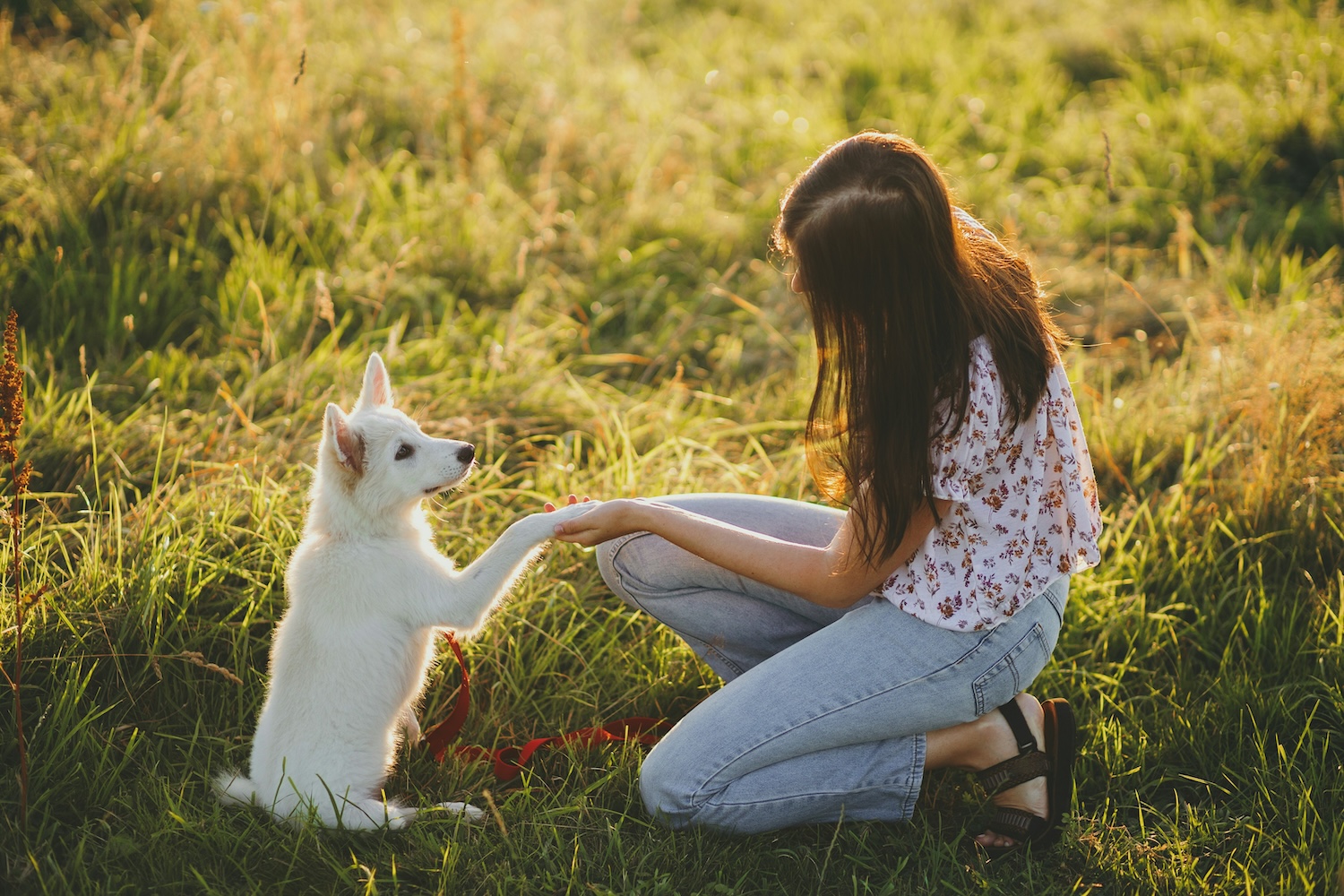
Dogs tend to build strong bonds with the people who consistently provide positive experiences. That could mean feeding, walking, playing, training or simply spending plenty of relaxed time together.
Importantly, it isn’t just the amount of time that matters. The quality of those interactions counts too. Someone who regularly plays a favourite game, offers affection when the dog seeks it or takes them on interesting walks may become particularly important to them.
Personality can make a difference
Just like people, dogs have different personalities. An energetic dog might naturally gravitate towards the family member who loves long walks and games in the garden. A quieter dog may prefer the person who spends evenings reading on the sofa with a convenient patch of lap available.
Dogs can also respond differently to voices, movements and general energy levels. Some enjoy lively households while others are happiest beside someone calm and predictable.
Routine builds strong bonds
Dogs are creatures of habit and daily routines help create a sense of security. If one person normally gives them breakfast, another takes them for the morning walk and somebody else settles down with them at night, dogs quickly learn who is associated with each part of their day. Over time, those repeated interactions can strengthen particular relationships.
This is also why someone working from home may unexpectedly become the dog’s chosen companion. Spending eight hours sharing an office with a snoozing Labrador under the desk is serious bonding time.
Dogs remember the good stuff
Positive associations matter enormously. If seeing a particular person usually means walks, treats, play or attention, that person can become extremely exciting. Dogs are excellent at noticing patterns, so even small rituals can become significant.
The sound of someone picking up their coat might mean adventure. A particular cupboard opening might mean biscuits. Sitting in a certain chair might mean cuddle time.
Humans call it routine. Dogs may consider it an extremely efficient notification system.
Can a dog’s favourite person change?
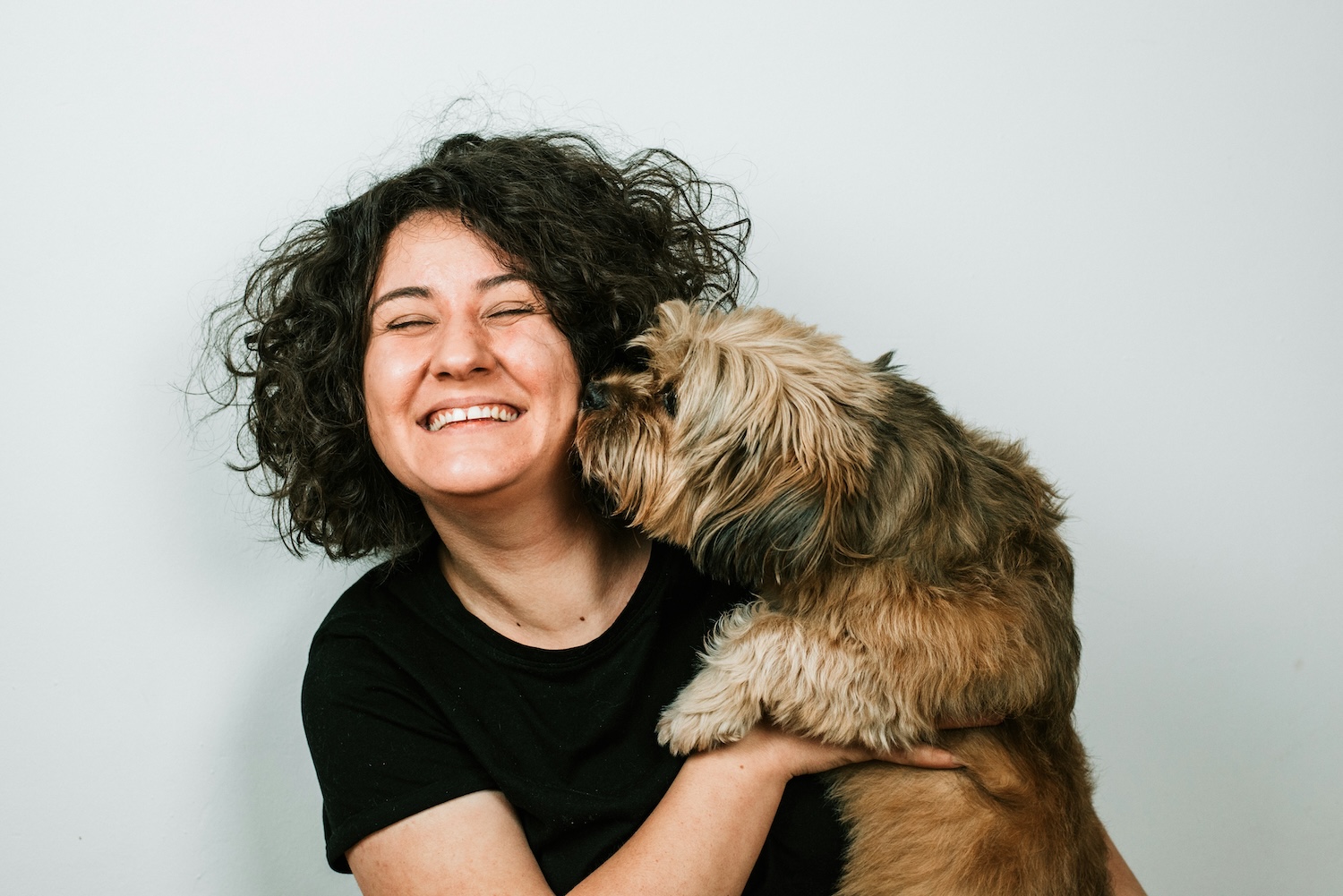
Absolutely. Relationships between dogs and people aren’t fixed forever. Changes in work schedules, walking routines, family circumstances or simply spending more time together can alter the strength of a bond.
A dog may also become closer to someone as they grow older. The person they considered the ultimate playmate as a puppy might not be the same person they choose to snooze beside in later life.
It doesn’t mean your dog doesn’t love you
If your dog clearly has a favourite and it isn’t you, don’t take it personally. Dogs can form close relationships with several people in different ways. One person might be their favourite walking companion while another provides comfort when they’re tired.
Ultimately, the best way to strengthen your relationship is wonderfully simple: spend time together, provide positive experiences and learn what your individual dog enjoys.
And if that involves occasionally bribing them with a particularly good snack, we’re fairly sure they’ll forgive you.
