



What your dog is really telling you
Understanding dog language is one of the most powerful things you can do as a dog owner. Our dogs are communicating with us all the time, but not in words. They use posture, facial expressions, movement and subtle behavioural cues to tell us how they’re feeling.
The problem? Most of us only notice the obvious signals like barking or wagging tails. The real communication often happens in the quieter moments.
If you learn to read dog language properly, you’ll build trust, prevent problems and deepen your bond in ways that genuinely matter.
The tail doesn’t tell the whole story
We’re often taught that a wagging tail means a happy dog. That’s only partly true.
In dog language, tail position and speed matter more than wagging alone. A relaxed, mid-height wag often suggests friendliness. A stiff, high tail with fast, sharp movements can signal tension or alertness. A low or tucked tail usually indicates fear or uncertainty.
Pay attention to the whole body. Is your dog loose and wiggly? Or stiff and still? The tail is just one piece of a bigger picture.
Eyes, ears and facial expressions
Dogs “speak” constantly through their faces.
Soft eyes, blinking and a relaxed mouth usually signal calmness. A hard stare, wide eyes showing the whites, or tightly pulled-back lips can indicate stress or discomfort.
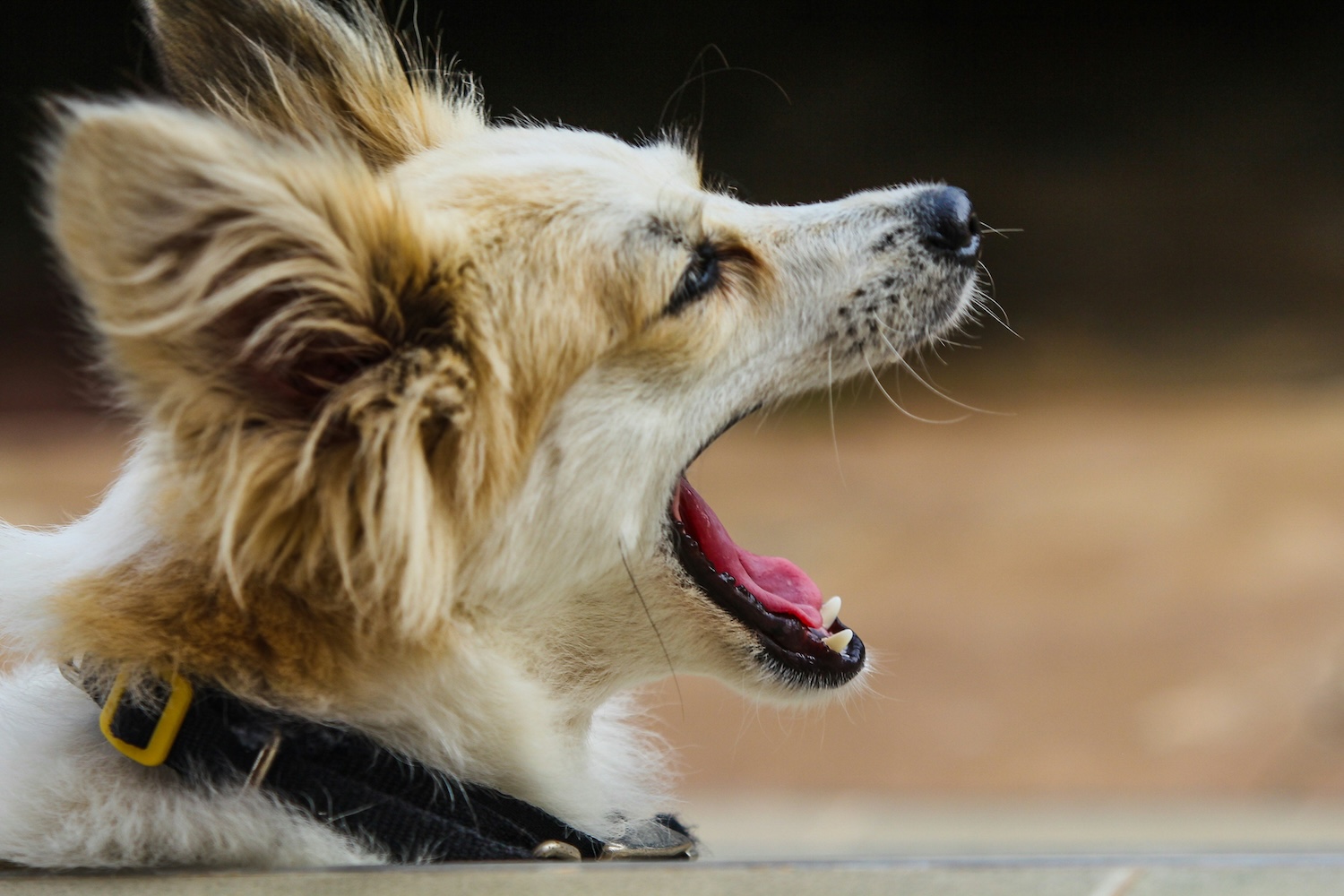
Yawning, lip licking and looking away are often misunderstood. In dog language, these are calming signals. Your dog may be trying to diffuse tension, especially in unfamiliar environments or when being approached too quickly.
If your dog turns their head away when someone leans over them, that’s not rudeness. It’s communication.
Sounds are only part of the story
Barking gets attention, but it doesn’t always mean the same thing. High-pitched rapid barks may signal excitement. Low, slower barks can indicate alertness or concern.
Whining might mean frustration, anxiety or anticipation. Growling isn’t bad behaviour. It’s communication. In fact, a growl is a valuable warning sign. If you punish it, you risk removing the warning while leaving the discomfort underneath.
Understanding dog language means listening without immediately correcting.
Body posture speaks volumes
A relaxed dog carries their weight evenly and moves fluidly. A tense dog may freeze, lean forward stiffly or crouch low to the ground.
Play bows are one of the clearest positive signals in dog language. Front legs stretched forward, rear end in the air. It’s an invitation: “Let’s play.”
Freezing, however, is often a warning sign. If a dog suddenly goes still, especially around food, toys or new people, it’s important to step back. Freezing is often the last signal before escalation.
