


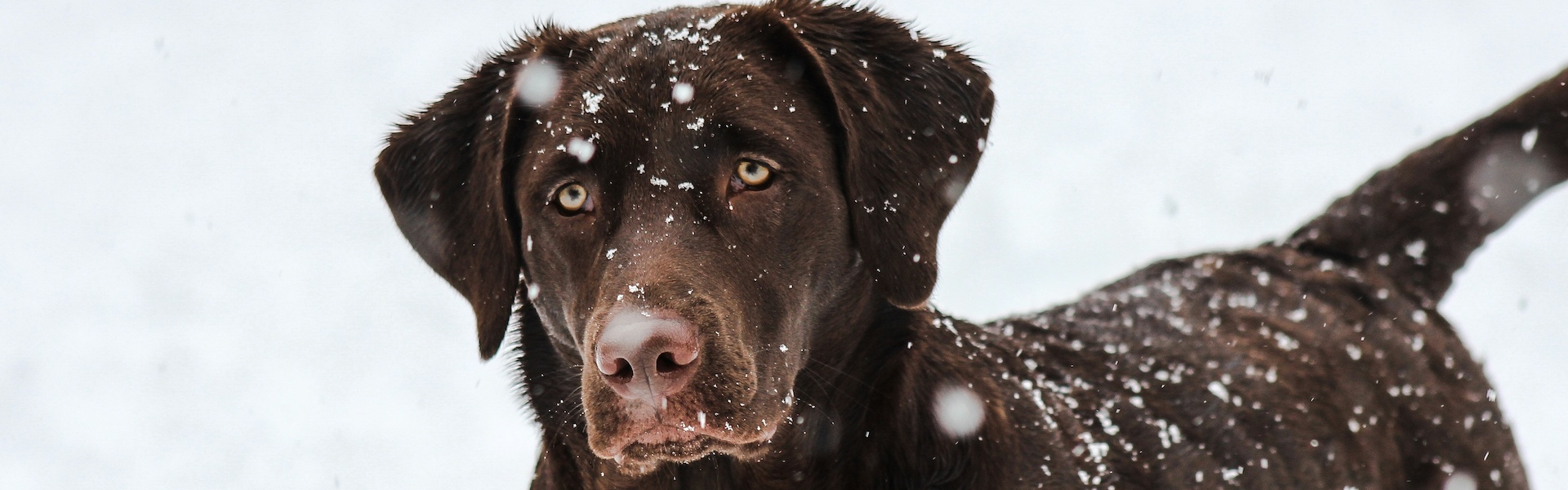
Spotting the signs your dog is cold, stiff or struggling
Winter brings crisp walks and cosy evenings, but it can also place extra strain on your dog’s body. Cold temperatures, damp weather and reduced daylight all affect how they feel and move. Understanding dog winter wellbeing means recognising when your dog is uncomfortable and making small adjustments that help them stay healthy, warm and active.
Signs your dog may be feeling the cold
Whilst some dogs cope brilliantly in colder weather, others feel the chill very quickly. Shivering, curling tightly into a ball, lifting their paws off the ground or hesitating to go outside are all classic signs that your dog may be too cold. Short-haired breeds, older dogs and puppies are especially vulnerable. If your dog returns from a walk and immediately seeks out blankets, radiators or your lap for warmth, it’s a gentle reminder that they may benefit from extra insulation or shorter outings.
Spotting stiffness and mobility issues
Colder weather can make joint pain more noticeable, particularly in older dogs or those with arthritis. Signs include slower movement, taking longer to stand up, stiffness after resting, difficulty climbing stairs or hesitating before jumping into the car. If you see these changes, it doesn’t automatically mean something serious is wrong, but it does suggest your dog needs more support. Gentle exercise, warm bedding, non-slip flooring and a steady routine can all play a part in promoting better dog winter wellbeing. If stiffness persists or worsens, a vet check is always worthwhile.
Behavioural changes to watch for
Not all discomfort is physical. Dogs may become quieter, clingier or more irritable if they’re feeling the effects of the cold. A normally enthusiastic walker might slow down or refuse routes they usually enjoy. Changes in sleep patterns, such as napping more or seeking isolated corners, can also indicate they’re not fully comfortable. These subtle shifts are important cues and should prompt a closer look at how winter conditions might be affecting them.
Practical ways to support your dog this winter
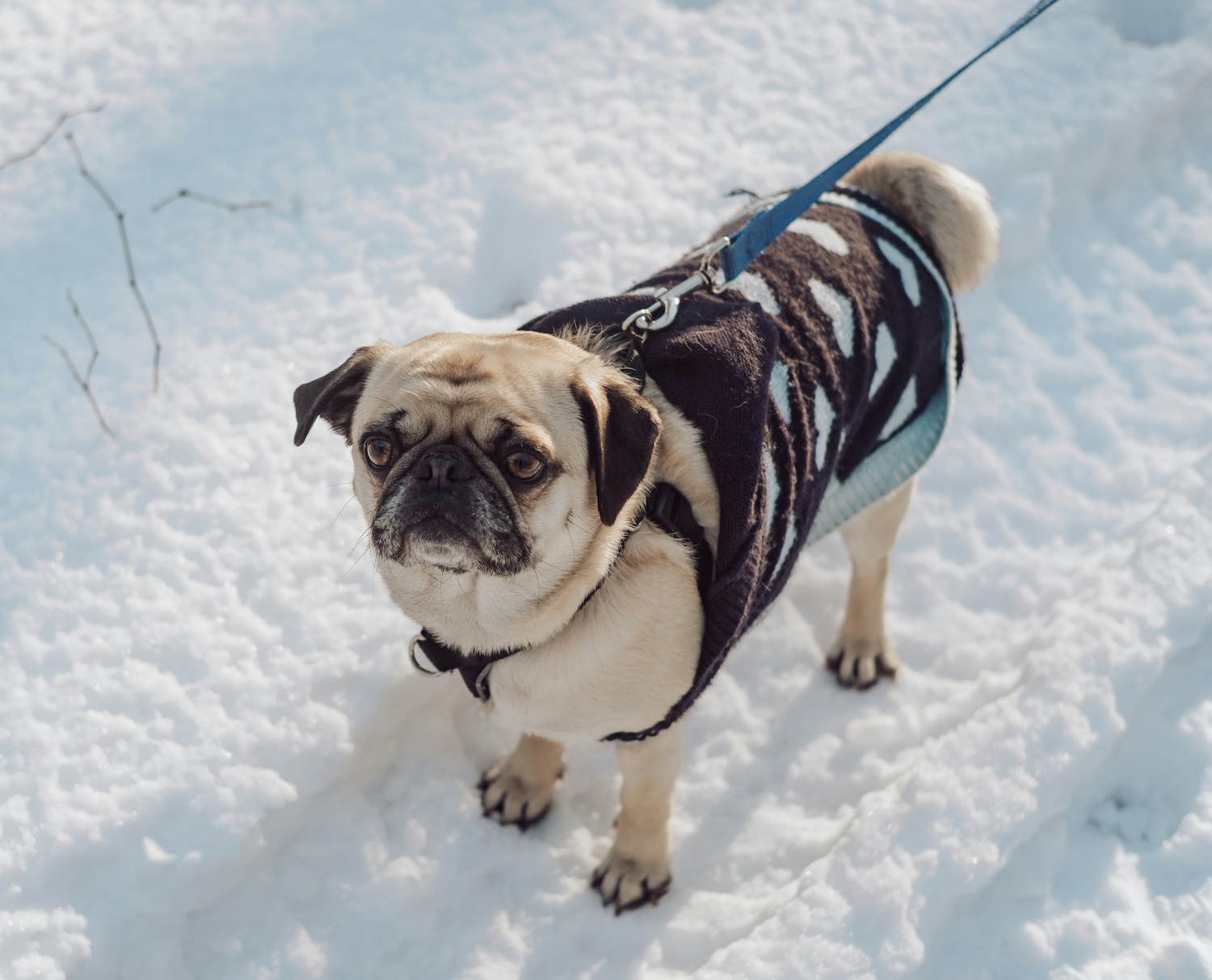
Simple steps can make a big difference. A well-fitted winter coat helps maintain body temperature, especially for slimmer breeds or older dogs. Paw care is equally important: icy surfaces, grit and road salt can irritate pads, so rinse and dry paws after every walk. Providing warm, draught-free sleeping spots and adding extra blankets creates a comforting environment. Slowing the pace of walks on very cold days, choosing sheltered routes or doing some indoor enrichment can also keep your dog active without overexposure to harsh weather.
Knowing when to seek extra help
Most winter discomforts can be managed with small lifestyle tweaks, but persistent stiffness, limping, shaking or unusual behaviours should be discussed with a vet. Early advice can prevent minor issues becoming bigger problems and is a crucial part of maintaining dog winter wellbeing throughout the colder months.
