



How to Safely Introduce Your Dog to New Experiences at Every Life Stage
Dog socialisation isn’t just about puppy classes or meeting other dogs at the park. It’s a lifelong process that helps your dog feel confident, curious and safe in a wide range of situations. From new people and environments to unexpected noises and smells, dogs of all ages benefit from positive, well-paced exposure to the world around them.
Let’s explore how dog socialisation works at every life stage and how you can help your dog thrive, whatever their age.
Puppyhood: The golden window of opportunity
The first 12 to 16 weeks of a puppy’s life are considered the prime time for dog socialisation. During this “sensitive period,” puppies are most open to learning that the world is a safe place. Positive experiences now can shape their lifelong confidence.
At this stage, your focus should be on:
- Introducing them to different people (ages, appearances, voices)
- Exploring new surfaces (carpet, gravel, wood, grass)
- Gradual exposure to sounds like traffic, hoovers, doorbells and children
- Short, positive car trips and vet visits
Always go at your puppy’s pace with no forced interactions. Pair each new experience with treats and praise to build a positive association.
Adolescence: Reinforcing the foundation
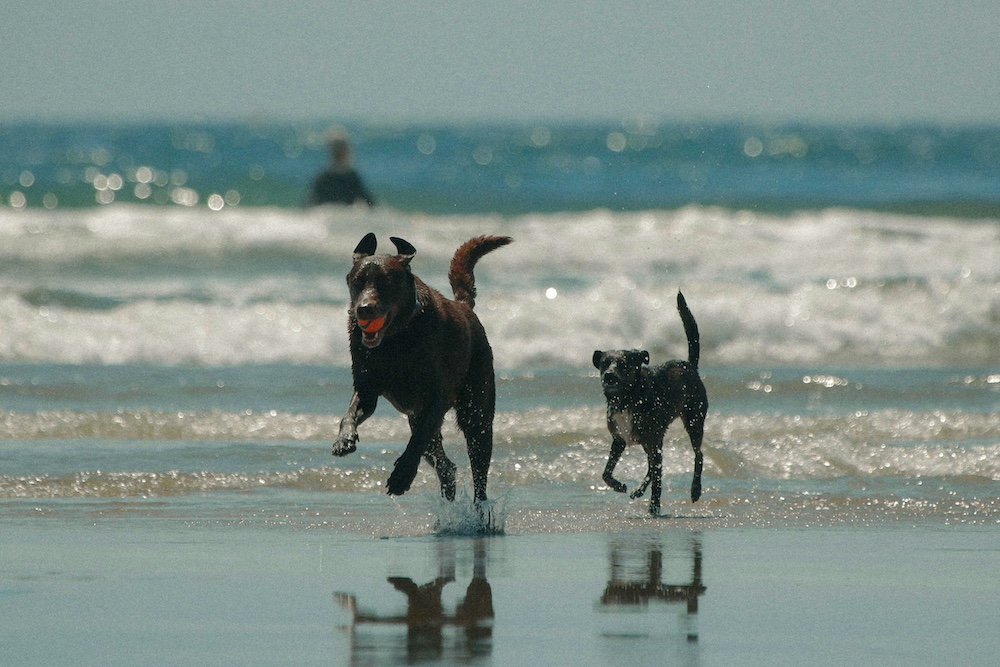
Once the “honeymoon phase” is over, adolescent dogs (around 6 to 18 months) may become more cautious or excitable. This is completely normal, but it’s important to keep reinforcing socialisation experiences.
Revisit earlier exposures but with added variety:
- Visit new places such as pubs, outdoor cafes or dog-friendly shops
- Practice calm greetings with other dogs on lead walks
- Continue handling exercises (ears, paws, brushing)
- Take short training classes or join structured group walks
Keep things structured and avoid overwhelming your dog. Consistency is key during this time of hormonal and behavioural change.
Adulthood: Building confidence through routine
An adult dog may seem fully settled, but socialisation shouldn’t stop here. New experiences such as moving house, meeting babies or going on holiday can still be stressful if your dog hasn’t encountered them before.
Help your adult dog adapt by:
- Practising regular exposure to mild novelty (new walking routes, unfamiliar items)
- Offering puzzle toys and enrichment games to stimulate curiosity
- Inviting calm, well-socialised dogs over for short visits
- Keeping up with handling and car travel
Dog socialisation in adulthood is about keeping your dog’s comfort zone wide and their stress levels low.
Senior years: Gentle exploration with respect
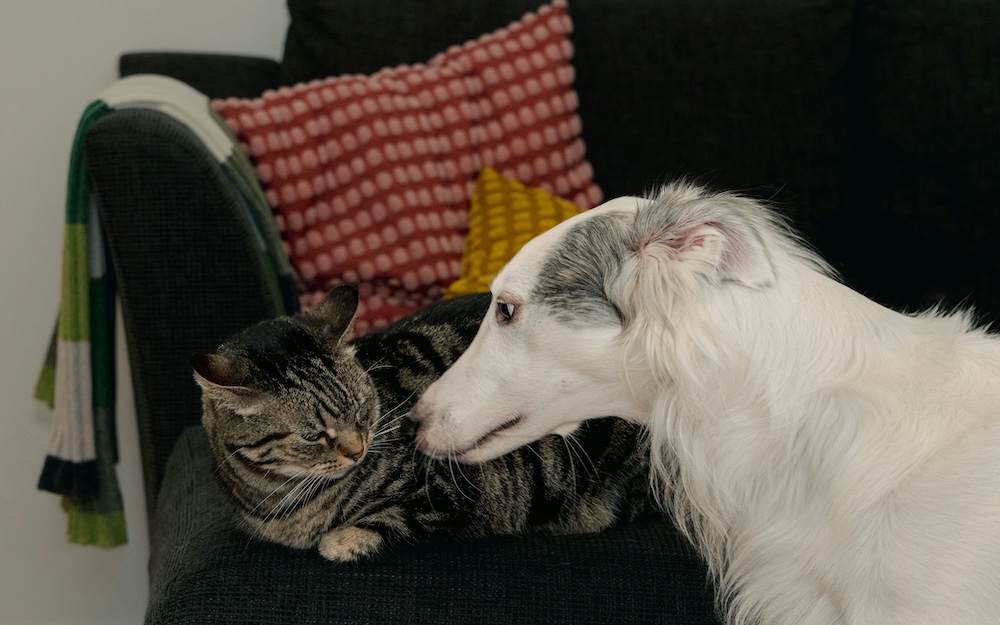
Older dogs can become more sensitive to change due to reduced mobility, vision or hearing loss, or cognitive decline. That said, gentle socialisation can still support their mental wellbeing.
Consider:
- Introducing new things slowly and in familiar environments
- Avoiding noisy or chaotic settings unless your dog is very confident
- Using scent-based enrichment and low-impact exploration
- Helping them maintain positive contact with trusted humans and animals
Dog socialisation at this stage is more about reassurance than novelty. Let your senior dog guide the pace.
A lifelong journey
No matter what your dog’s age, thoughtful exposure to new experiences builds resilience, reduces anxiety and strengthens your bond. Dog socialisation isn’t a one-off checklist, as it’s an ongoing process of learning, trust and joyful exploration.
With patience and positivity, you can help your dog feel safe and secure in an ever-changing world.
