


Mistakes to Avoid
Training your dog is one of the most rewarding aspects of pet ownership, but it’s easy to fall into bad habits without even realising. Understanding common dog training mistakes (and how to avoid them) can help you to raise a well-behaved and happy dog who knows what’s expected of them.
Being inconsistent with commands and routines
One of the biggest dog training mistakes is inconsistency. Dogs thrive on routine and repetition, so using different words for the same command, or changing the rules from day to day, leads to confusion. Everyone in your household should use the same language and reward system to maintain clarity.
Relying on punishment
Punishing your dog for unwanted behaviour might stop it in the short term, but it can cause anxiety and damage your bond in the long run. Positive reinforcement, which is where you reward good behaviour, is a far more effective approach. Dogs learn more quickly and respond better when they associate actions with rewards.
Overusing treats
Treats can be a powerful training tool, but relying on them too heavily is another common dog training mistake. If your dog only listens when there’s food on offer, it’s time to reassess. Use treats strategically at first, then gradually reduce them as your dog begins to understand and respond to verbal praise or affection.
Expecting too much, too soon
Progress takes time. Expecting your dog to learn everything quickly can lead to frustration for both of you. Dogs learn at different paces depending on age, breed and background, so break tasks into smaller steps and celebrate the small wins.
Ignoring unwanted behaviour
It may be tempting to laugh off jumping up or pulling on the lead when a dog is small, but these behaviours can become bigger problems over time. That’s why addressing unwanted habits early on is essential. Use redirection and reward calm behaviour to reinforce what you want them to do.
Training sessions that are too long or too infrequent
Short and regular sessions are key. If your dog loses interest or becomes distracted, they’re unlikely to retain what you’re trying to teach. Aim for sessions of 5 to 10 minutes a few times a day, especially when working on new skills.
Not socialising your dog properly
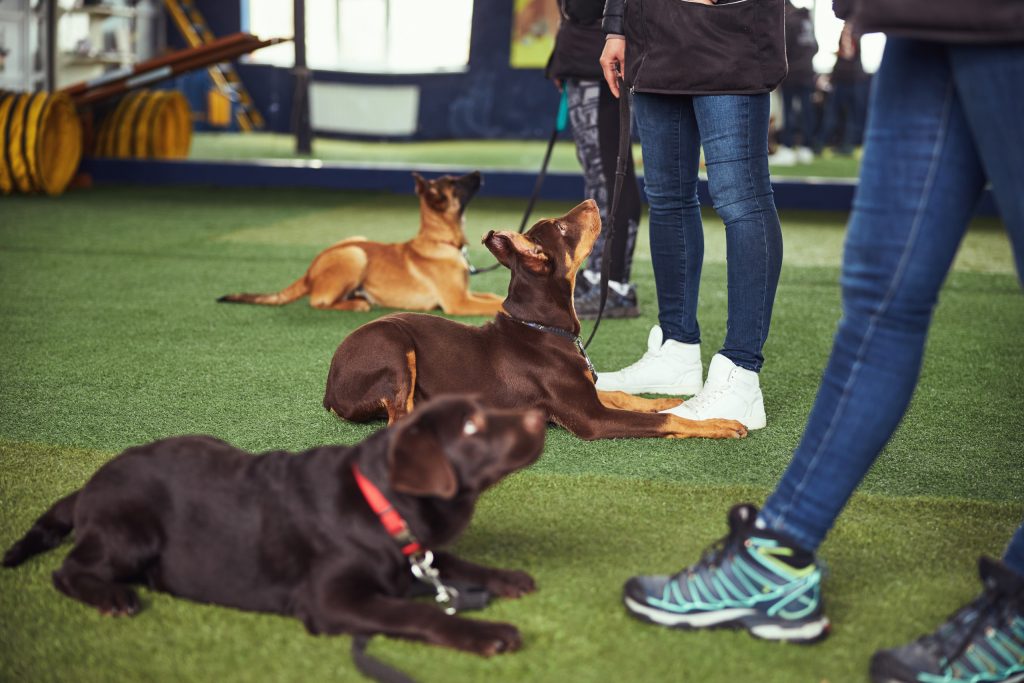
Training isn’t just about commands, as it’s also about how your dog interacts with the world. Failing to socialise your dog can lead to fear or aggression later on. Expose your dog to different people, dogs, sounds and environments in a controlled and positive way.
Lack of patience and understanding
One of the most overlooked dog training mistakes is expecting your dog to understand your world, without taking the time to understand theirs. Dogs communicate differently, so it’s up to us to learn their signals and teach them in a way that they can grasp.
