


For Different Breeds
Regular grooming is essential for keeping your dog healthy, comfortable and looking great. However, different breeds have unique coat types, shedding patterns and hygiene requirements. Understanding these differences can help you provide the best care for your furry friend. In this guide, we’ll share essential dog grooming tips tailored to various breeds.
Short-haired breeds (Labradors, Beagles, Boxers etc.)
Short-haired breeds are relatively low-maintenance but still require regular care. Brush them once a week using a rubber grooming mitt or bristle brush to remove loose hair and distribute natural oils. These breeds typically shed year-round, so frequent brushing can reduce hair around your home. Bathe them every 4-6 weeks, or as needed, using a gentle dog shampoo to keep their coat fresh and clean.
Double-coated breeds (Golden Retrievers, German Shepherds, Huskies etc.)
Double-coated breeds have a dense undercoat and a longer topcoat, which requires frequent brushing. Use an undercoat rake and a slicker brush at least twice a week to prevent matting and excessive shedding.
During shedding seasons (spring and autumn), daily brushing can help to manage loose fur. Avoid shaving double-coated dogs, as their fur provides insulation against both heat and cold. Bathing should be done every 6-8 weeks, ensuring their coat remains healthy without stripping natural oils.
Curly-coated breeds (Poodles, Bichon Frises, Portuguese Water Dogs etc.)
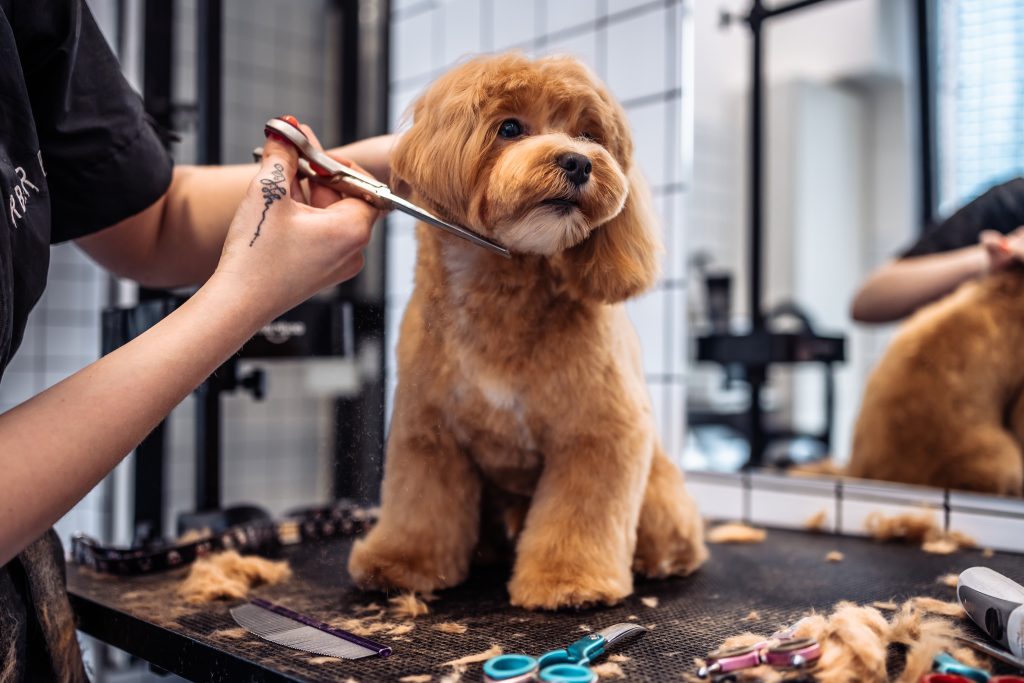
Curly-coated breeds require regular maintenance to prevent tangling and matting. Brush their coats at least every other day using a slicker brush and a metal comb. These breeds benefit from professional grooming every 4-6 weeks to keep their coats manageable. Since they don’t shed much, regular trimming is crucial. Use a mild, hypoallergenic shampoo when bathing to prevent skin irritation.
Long-haired breeds (Shih Tzus, Afghan Hounds, Yorkshire Terriers etc.)
Long-haired breeds need daily brushing to prevent tangles and knots. A pin brush and a detangling spray can help keep their coat smooth and shiny. These dogs often require professional grooming every 6-8 weeks to maintain their coat length and shape. Regular eye and ear cleaning is also essential, as their hair can trap dirt and moisture. Bathe them every 3-4 weeks to keep their coats soft and fresh.
Wire-haired breeds (Terriers, Schnauzers, Wirehaired Dachshunds etc.)
Wire-haired breeds have a rough coat that needs special care. Weekly brushing with a firm bristle brush helps to remove debris and loose hair. These dogs often require hand-stripping (a technique where dead hairs are manually removed) to maintain coat texture. Regular ear cleaning and occasional trimming around the face and paws will keep them looking their best. Bathing should be done every 6-8 weeks with a shampoo suited to their coat type.
Hairless breeds (Chinese Crested, Xoloitzcuintli, American Hairless Terrier etc.)
Hairless breeds require unique grooming compared to their furry counterparts. Since they lack a protective coat, their skin is more prone to dryness and irritation. Regularly apply dog-friendly moisturisers and sunscreen when outdoors. Bathe them every 1-2 weeks to remove oil buildup and keep their skin healthy. Check their ears, paws and nails frequently, as they can accumulate dirt easily.
General dog grooming tips
Regardless of breed, some grooming practices apply to all dogs:
- Trim nails every 3-4 weeks to prevent overgrowth and discomfort.
- Clean ears regularly to reduce the risk of infections.
- Brush teeth several times a week for good oral health.
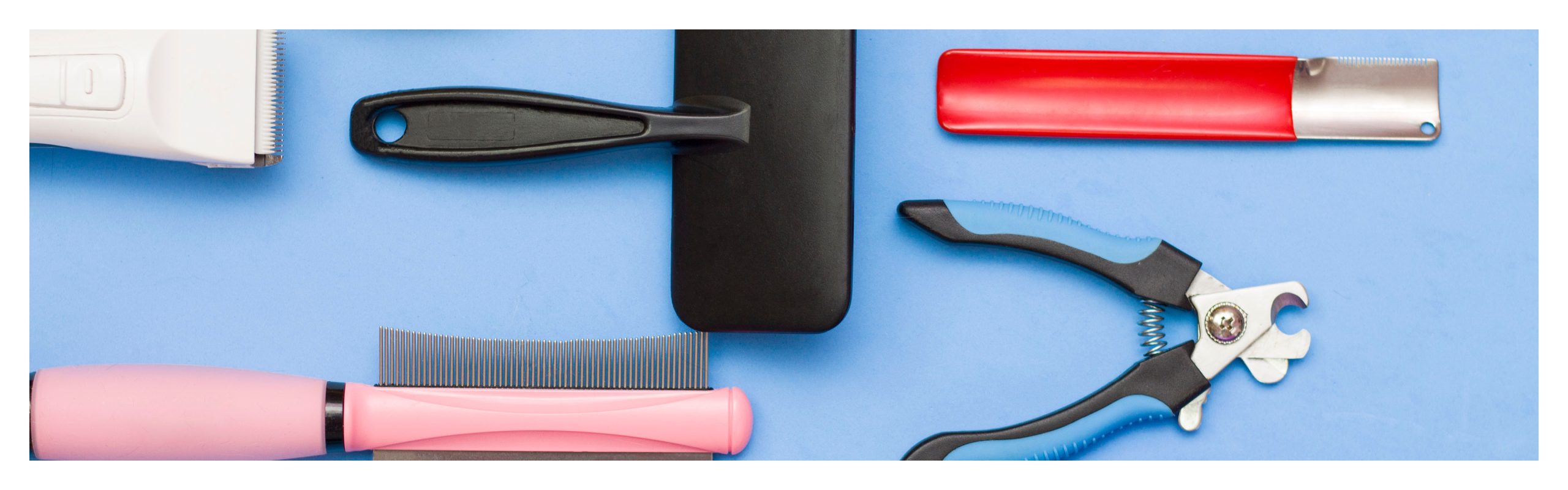
- Use the right grooming tools for your dog’s coat type.
By following these dog grooming tips, you’ll help your pet to stay clean, comfortable and healthy. Tailoring grooming routines to your dog’s breed-specific needs will make the process easier and more effective. Investing time in regular grooming also strengthens the bond between you and your furry companion, making it a special shared experience.
