



The Dachshund
Historical Background
The Dachshund, often affectionately known as the sausage dog or Daxi, traces its origins back to Germany. Bred over 300 years ago, these dogs were designed for hunting. Their name, which translates to badger dog, highlights their original purpose: to scent, chase, and flush out badgers and other burrowing animals. Over time, the breed’s distinctive shape and spirited nature made it a popular choice not only for hunting but also as a beloved companion.
Description and Group Classification
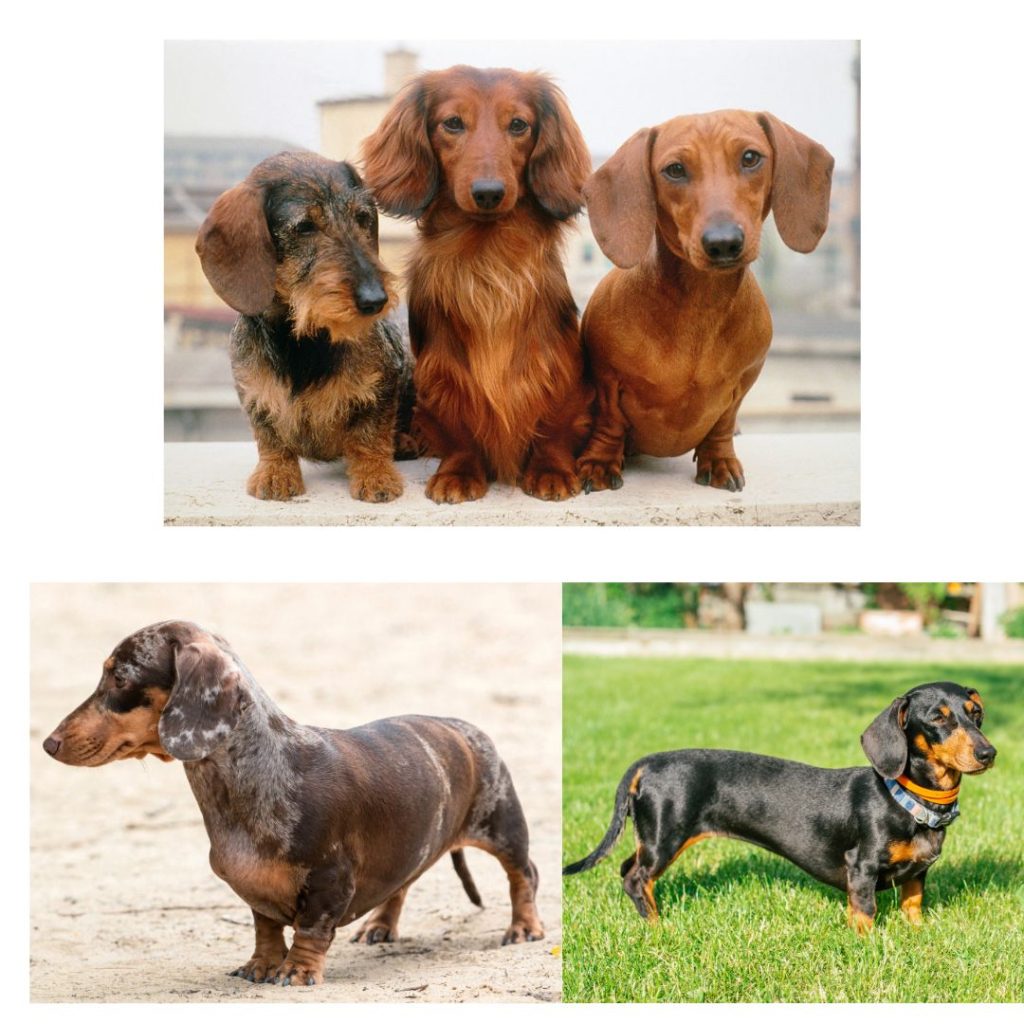
Dachshunds belong to the hound group, known for their keen sense of smell and tracking abilities. Characterised by their long bodies, short legs, and elongated heads, they are instantly recognisable. The breed is divided into three coat types: smooth, long-haired, and wire-haired, each offering a unique look and texture.
Suitability to Various Lifestyles and as a Family Dog
Dachshunds can adapt well to both town and country living, provided they receive sufficient attention and exercise. They thrive in homes where they can be part of the family activities. They are generally good with children, although supervision is recommended due to their small size and the risk of injury.
Ideal Home Environment
Whether in a flat or a house, Dachshunds do well in environments where they are included as family members. A secure garden is beneficial for safe play, but they should not be left outside unattended, as their hunting instincts may lead them to dig or wander off.
Training Requirements
Training a Dachshund can be a rewarding experience, though it requires patience due to their independent nature. Positive reinforcement techniques work best, using treats and praise to encourage desired behaviours. Consistency is key, and early socialisation can help them become well-rounded adults.
Breed Size and Colours
Dachshunds come in two sizes: standard and miniature. The standard Dachshund typically weighs between 7 to 14 kg, while the miniature variety usually weighs under 5 kg. They exhibit a wide range of colours, including red, black and tan, chocolate, cream, and various dapple patterns.
These charming canines often enjoy a lifespan of 12 to 16 years, although some live even longer with proper care and attention.
Temperament and Personality Traits
Dachshunds are known for their lively and bold personalities. They are intelligent, curious, and can sometimes be a bit stubborn. Despite their small size, they possess a big dog’s confidence and may not shy away from larger challenges. Their affectionate and loyal nature makes them excellent companions, often forming strong bonds with their families.
While Daxi’s are small, they are active and require regular exercise to maintain their physical and mental health. Daily walks and playtime are essential, and they benefit from activities that engage their minds, such as scent games or obedience training.
The grooming requirements for Dachshunds vary depending on their coat type. Smooth-coated Dachshunds are relatively low maintenance, needing occasional brushing. Long-haired Dachshunds require more frequent brushing to prevent tangles, while wire-haired Dachshunds benefit from regular trimming or stripping to maintain their coat’s texture.
Health
Dachshunds, like many breeds, have specific health concerns to be aware of. Their long backs make them prone to intervertebral disc disease (IVDD), so care should be taken to support their spines, such as avoiding stairs and jumping. They may also be susceptible to obesity, so maintaining a healthy diet and exercise regime is crucial.
In conclusion, Dachshunds offer endless affection and charm, making them wonderful companions for those who understand their unique needs and quirks. With proper care, they can bring joy and warmth to any home.
