


Collie Eye Anomaly
Collie Eye Anomaly (also called CEA) is an inherited eye condition that affects the development of the retina and other eye structures. The condition primarily affects Collie breeds and their relatives, though several other breeds can also inherit CEA.
This guide explains the key aspects of CEA – from understanding the condition and its symptoms to creating a supportive environment for affected dogs. Whether your dog has recently been diagnosed or you’re researching the condition, you’ll find practical information to help manage CEA effectively.
What is Collie Eye Anomaly?
Collie Eye Anomaly (CEA) develops before birth, affecting how your dog’s eyes form in the womb. Unlike conditions that appear later in life, CEA results from a specific DNA mutation that affects eye development before puppies are born. CEA is present from birth and affects both eyes, though one eye might show more severe signs than the other. The condition varies significantly between dogs – some may have minimal vision changes while others face more serious challenges that require careful management.
Understanding CEA and Affected Breeds
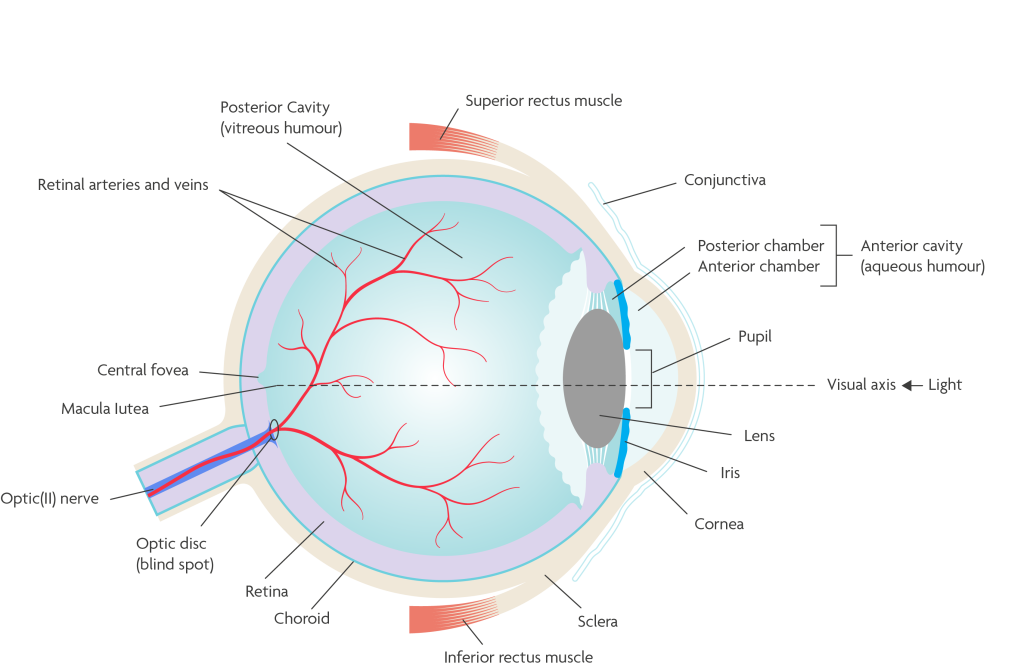
The condition happens when blood vessels in the choroid (the layer of tissue behind the retina) don’t develop properly. Think of the choroid as a vital support system – when it doesn’t form correctly, the retina doesn’t get the nutrients it needs.
Early detection is crucial for managing CEA effectively (puppies should ideally be examined between 6-8 weeks of age). While discovering your dog has CEA can feel worrying, most dogs adapt remarkably well with proper care and support. Don’t be afraid to seek guidance from your vet about the best ways to help your dog thrive despite vision challenges.
The following breeds are commonly affected and inherit CEA:
- Rough and Smooth Collies
- Shetland Sheepdogs
- Australian Shepherds
- Border Collies
- Nova Scotia Duck Tolling Retrievers
- Lancashire Heelers
- Boykin Spaniels
The condition is particularly common in Collies – research shows between 70 to 95% of rough and smooth collies in the United States and the UK have one copy of the gene mutation that causes CEA, with 80-85% showing signs of the condition.
How CEA Affects Vision
CEA varies significantly between dogs. Some dogs maintain nearly normal vision (when there’s only slight thinning of the choroid layer), while others face more serious challenges. The condition typically affects both eyes, though one eye might show more severe signs than the other.
Signs to Watch For
Your dog might show several signs of CEA:
- Smaller than normal eyeballs (also called microphthalmia)
- Sunken eyeballs (anophthalmia)
- Cloudy appearance in the eyes
- Bumping into furniture
- Trouble finding toys or food bowls
- Nervousness in new places
Diagnosing CEA in Dogs
Early testing is vital for CEA diagnosis – your puppy should ideally be examined between 6-8 weeks of age. Much like the timing of other diagnostic tests (such as the ACTH test for Addison’s), this early window gives the best chance for accurate assessment.
When Should Puppies Be Tested?
Your breeder should book an appointment with a veterinary ophthalmologist before puppies reach 12 weeks old. Don’t be afraid to ask about testing if your breeder hasn’t mentioned it – early examination helps identify any abnormalities whilst they’re still clearly visible.
Eye Examination Process
Your vet will perform several tests to check your dog’s eyes thoroughly:
- Dilated Eye Examination: Special drops widen your dog’s pupils (much like when humans have eye tests)
- Retinal Evaluation: The vet examines the back of the eye carefully, looking for thinning areas or holes (these holes are called colobomas)
- DNA Testing: Offers up to 95% accuracy in identifying affected dogs (though this shouldn’t replace a physical eye examination)
Your vet will most likely admit your dog for these tests to reduce any stress (if your dog gets anxious at the vet’s, they might suggest waiting in the car during the examination).
What Test Results Mean
The ophthalmologist grades the findings from normal to severe, focusing on two main things:
- Choroidal hypoplasia (thinning of the eye’s back layer)
- Coloboma (holes in eye structures)
For breeding dogs, yearly check-ups are required. If you’re planning to breed your dog, these results are particularly important – even dogs with mild CEA can produce puppies with severe cases.
Remember that whilst DNA testing is helpful, it shouldn’t replace proper eye examinations. Both tests work together (like pieces of a puzzle) to give a complete picture of your dog’s eye health.
Managing a Dog with CEA
Dogs with CEA can lead happy, active lives with proper support and care. Most dogs adapt remarkably well to vision changes within 6-8 weeks. Don’t be afraid to make adjustments to your home and routine – these changes help your dog feel confident and secure.
Creating a Safe Home Space
Your home’s layout becomes your dog’s mental map, CEA dogs need consistent surroundings. Essential changes include:
- Installing gates near stairs
- Adding corner guards on sharp furniture edges
- Keeping walkways clear of clutter
- Setting food and water bowls in fixed spots
Daily Life and Routines
Predictable routines help your vision-impaired dog navigate daily life confidently. Your dog will most likely feel more secure with:
- Regular walking routes
- Set feeding times
- Consistent exercise schedules
- A fountain-style water bowl (the sound helps them locate it)
Training and Support
Voice commands become crucial tools for dogs with CEA. Teach specific phrases like:
- “Step up”
- “Step down”
- “Careful”
Some owners attach small bells to their shoes or other pets’ collars (this helps their dog track movement through sound). Always use a lead in unfamiliar places, and consider getting a vest or bandana that says “I’m blind” to alert others.
Remember that whilst your dog’s vision might be limited, their other senses remain sharp – particularly hearing and smell. These senses can be engaged through interactive toys and games. Don’t be afraid to try different approaches – your dog will tell you what works best for them.
Mental Enrichment Activities
Five minutes of brain work provides similar benefits to thirty minutes of physical exercise. Your dog will most likely enjoy:
- Scent puzzles and food games (these engage their natural foraging instincts)
- Squeaky toys and rattles (sound becomes particularly important for vision-impaired dogs)
- Textured toys (helps develop confidence through touch)
- Hidden treat games (excellent for mental stimulation)
Exercise and Safety
Regular physical activity remains important (whilst being mindful of your dog’s vision limitations). Keep your dog on a lead in unfamiliar places, and try attaching small bells to your shoes for easier tracking
Building Your Dog’s Confidence
Patience and consistency help your dog develop trust and confidence. Start with familiar spaces, then gradually introduce new environments. Your dog will create detailed mental maps of their surroundings, even without perfect vision.
Most dogs adapt brilliantly to vision changes, especially when given proper support and enrichment. Mix up activities throughout the week to maintain interest, but remember that quality matters more than quantity. Your vet will most likely have additional suggestions tailored to your dog’s specific needs.
Remember that every dog responds differently to CEA. Don’t be afraid to seek guidance from your vet about specific ways to help your dog thrive. With thoughtful care and consistent support, your dog can lead a happy, active life full of tail-wagging adventures.
Disclaimer: The contents of Itsadogz.life website are for informational and educational purposes only and should NOT replace professional Veterinary Advice. Always consult a qualified Veterinarian regarding your dog’s health and any concerns you may have.
Neither the owners nor creators of this site are engaged in providing veterinary medical services via this site and assume no responsibility for any consequence relating directly or indirectly to any action you take or do not take based on the information, services, products, or other materials provided on this site.
