


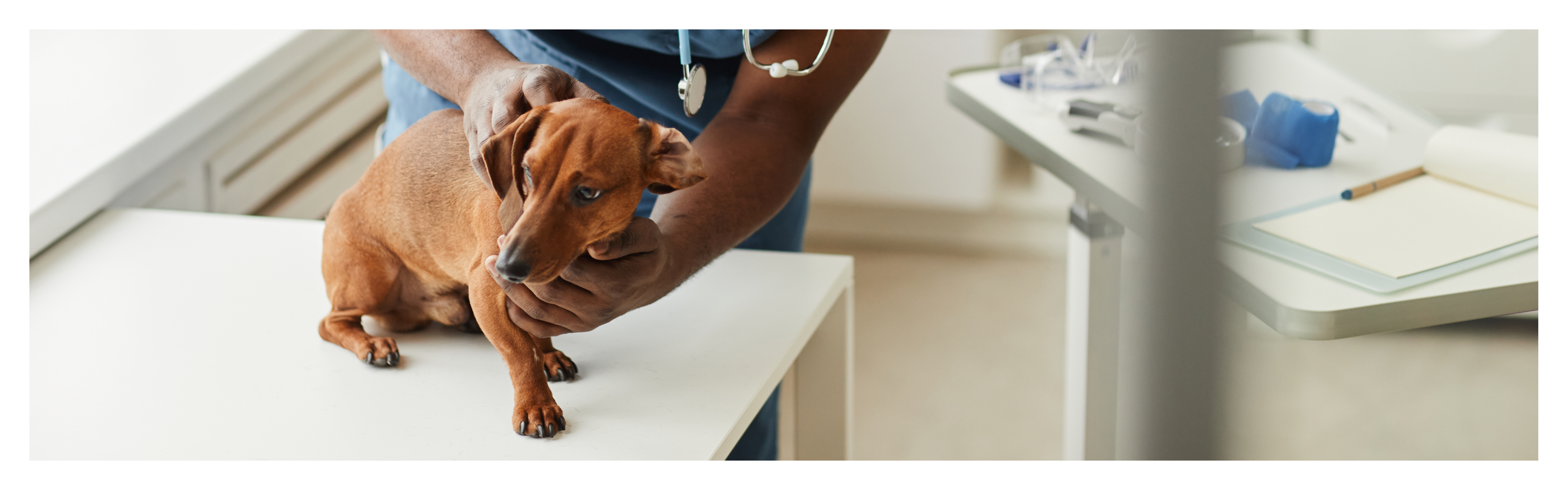
Navigating Degenerative Disc Disease in Dogs
Degenerative Disc Disease (DDD), also known as Intervertebral Disc Disease (IVDD) in dogs or Hansen type I or Hanson type II, marks a significant concern for pet owners as it involves the spinal discs losing their functionality, often leading to pain, paralysis, or both.
With these intervertebral discs acting as a cushion between the vertebrae, their degeneration, and potential rupture can exert undue pressure on the spinal cord or spinal nerves, making every movement a possible source of discomfort for the affected canine. The diagnosis of IVDD predominantly looms over certain breeds including beagles, dachshunds, and cocker spaniels, emphasising the role of genetics in this condition’s emergence.
This article aims to navigate the complexities of IVDD in dogs by examining its symptoms, causes, and the array of treatment options available to navigate this debilitating condition. With an emphasis on understanding the signs indicative of IVDD, which include but are not limited to pain and difficulty in movement, and dissecting the surgical and non-surgical interventions that can alleviate the suffering, this piece seeks to offer a comprehensive guide for pet owners grappling with this diagnosis. Insights into preventive measures and post-treatment care strategies will also be discussed to aid in the management of degenerative disc disease in dogs.
Understanding Degenerative Disc Disease in Dogs
Degenerative Disc Disease (DDD) in dogs, also known as Intervertebral Disc Disease (IVDD), is a condition that significantly impacts the spinal cord, primarily affecting the middle to lower back and occasionally the neck. This disease involves the degeneration of the intervertebral discs, which can lead to their rupture or herniation, exerting undue pressure on the spinal cord or nerves. The following points provide a detailed understanding of the structure and function of these discs, as well as the progression of DDD:
- Structure of Intervertebral Discs: Each disc is composed of two main parts: the outer fibrous ring and the inner pulpy nucleus. The fibrous ring provides protection to the pulpy nucleus, which together support the vertebrae and act as cushions, allowing for flexibility and movement of the spine. The spinal cord itself is safeguarded by a bony canal, with the discs positioned at the junctions of the vertebrae, serving as the primary shock absorbers between the spinal bones.
- Progression and Stages of DDD: DDD can be categorized into five stages based on severity. The condition causes a spontaneous degeneration of the outer part of the disc, leading to potential sudden rupture or herniation. When the disc material herniates, it usually moves upward, creating pressure on the spinal cord. This pressure can disrupt the transmission of information along the spinal cord, resulting in pain, partial, or complete paralysis, and other neurological problems. Stages IV and V of DDD are particularly severe and typically require surgical intervention to alleviate the symptoms and prevent further damage.
- Risk Factors and Incidence: DDD is an age-related, degenerative condition that predominantly affects middle-aged dogs, typically between three to seven years old. However, genetic factors play a significant role in the predisposition to DDD, with certain breeds such as Dachshunds, Poodles, Pekinese, Lhasa Apso, German Shepherd Dogs, Dobermans, and Cocker Spaniels exhibiting a higher incidence of the disease. These breeds, especially those with short and bent legs and long backs, are at an elevated risk due to their genetic makeup.
The disease results from the gradual hardening of the shock-absorbing discs, leading to their bulging, compression, or rupture, which in turn can compress the spinal cord and affect mobility.
Understanding the intricate details of DDD, from the anatomy of intervertebral discs to the factors contributing to the disease’s onset, is crucial for pet owners. This knowledge not only aids in recognising the early signs of DDD but also underscores the importance of monitoring at-risk breeds for any symptoms indicative of this condition.
Signs and Symptoms of DDD in Dogs
Recognising the signs and symptoms of Degenerative Disc Disease (DDD) in dogs is crucial for early intervention and management. Symptoms can vary widely depending on the severity of the condition and the location of the affected disc. To aid in understanding, symptoms are categorized based on the affected area of the spine:
Cervical IVDD (Neck Area)
- Head held low: Dogs may keep their heads lowered due to neck pain or discomfort.
- Arching back: An attempt to relieve pressure on the spine.
- Shivering or crying: Indicative of pain.
- Reluctance to move, unsteadiness in all four legs: Difficulty in coordinating movements.
- Inability to walk normally, knuckling of all four paws: Signs of severe nerve impact.
- Inability to support own weight, stand, or feel all four feet and legs: Indicative of advanced stages.
Thoracolumbar IVDD (Middle to Lower Back)
- Muscle spasms, tense belly: Reflective of discomfort or pain in the back.
- Weakness in hind legs, crossing back legs when walking: Motor function impairment.
- Inability to walk normally, knuckling of back paws or dragging rear legs: Severe nerve damage.
- Inability to move or feel back legs: Indicative of complete paralysis in severe cases.
Lumbosacral IVDD (Lower Back)
- Difficulty jumping, limp tail: Signs of pain or discomfort in the lower back.
- Urinary or fecal incontinence, dilated anus: Indicative of nerve damage affecting bladder and bowel control.
General Symptoms Across All Types of IVDD:
- Back or neck pain, limping: Early signs of discomfort.
- Yelping when picked up, inability to lift the head fully: Indicative of pain upon movement or touch.
- Stiffness or a hunched back, lost bladder control: Reflective of spinal cord pressure.
- Weak or clumsy movement in all four limbs, shivering or panting: Signs of discomfort and pain.
- Immobility in all four limbs or trouble breathing in serious cases: Indicative of severe nerve or spinal cord damage.
Diagnosing Degenerative Disc Disease
Diagnosing Degenerative Disc Disease (DDD) in dogs involves a multi-step approach that combines physical examinations, the pet’s medical history, breed information, and advanced imaging techniques. The process is designed to accurately locate the damaged discs and understand the extent of the disease’s impact on the spinal cord. The following outlines the primary diagnostic methods used:
- Initial Evaluation:
- Physical Examination and History: A vet conducts a thorough physical examination and reviews the dog’s medical history and breed, which can provide initial clues about the likelihood of DDD.
- Clinical Signs: Observations of pain, reluctance to exercise, difficulty in mobility, and urinary incontinence are critical clinical signs that suggest IVDD.
- Imaging Techniques:
- Standard X-rays: These are often the first step in imaging, helping to identify changes in the space between vertebrae or the presence of calcified discs, although they cannot directly visualize the spinal cord.
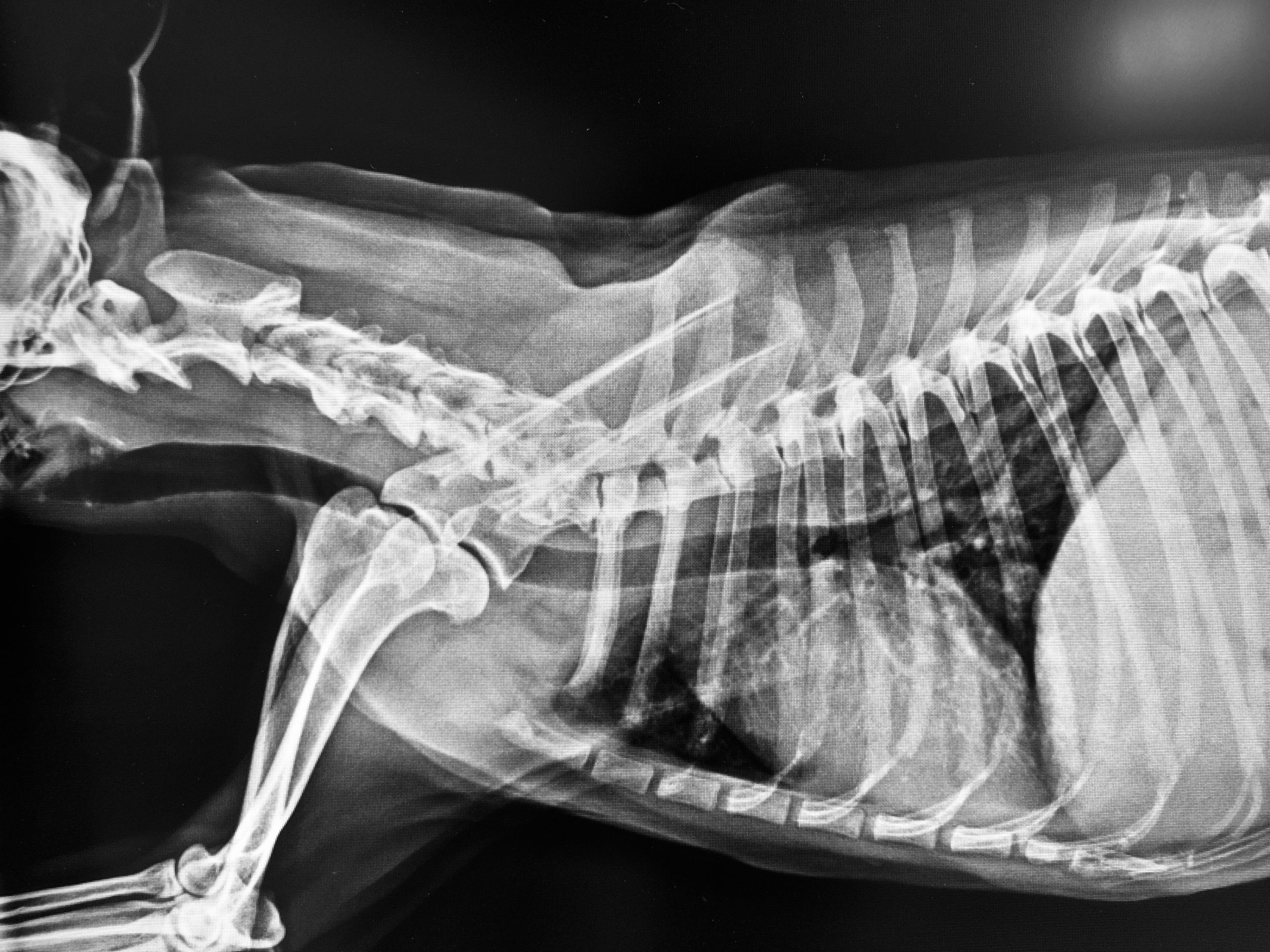
- Myelogram: This involves injecting dye around the spinal cord to highlight pressure points on an X-ray, offering detailed insights into the condition of the spinal cord and surrounding structures.
- MRI and CT Scans: MRI or CT scans are performed under general anaesthesia for a more detailed view. These imaging modalities provide the most comprehensive view of the spinal cord, intervertebral discs, and any potential compression or damage.
- Confirmation and Planning:
- Based on the findings from the physical examination and imaging tests, a presumptive diagnosis of DDD is made. Myelograms, MRIs, or CT scans are particularly useful for confirming the diagnosis and are essential for planning any surgical interventions if required.
This diagnostic approach ensures a thorough evaluation of the dog, combining both general observations and advanced imaging to confirm the presence of DDD and guide subsequent treatment decisions.
Treatment Options and Management
Treatment options for IVDD in dogs vary significantly based on the stage of the disease, ranging from conservative management to surgical intervention. Understanding the appropriate treatment for each stage is crucial for effective management and recovery.
Conservative Management
- Stage I (Mild Pain):
-
- Rest and limited movement.
-
- Anti-inflammatory medications and pain relief.
- Stage II (Moderate to Severe Pain) and Stage III (Partial Paralysis):
-
- Rest, possibly crate rest to limit movement.
-
- Pain management with anti-inflammatory drugs.
-
- Consideration of muscle relaxers for comfort.
- General Non-Surgical Treatment:
-
- Physical therapy to aid in recovery.
-
- Regular exercise and maintaining a healthy weight for prevention.
Surgical Intervention
- Stage IV (Paralysis with Feeling):
-
- Recommended surgery within seven days to remove or repair the affected disc(s).
- Stage V (Paralysis and Loss of Feeling):
-
- Emergency surgery is required, ideally within 24 hours.
-
- The success rate decreases significantly if surgery is delayed, with less than a 5% chance of recovery.
- Surgical Goals and Recovery:
-
- The primary goal is to remove pressure from the spinal cord.
-
- Recovery from surgery includes hospitalization, crate rest, controlled exercise, and monitoring for pressure sores.
-
- The return of neurological function, walking ability, and relief from pain may take several days to weeks.
Additional Considerations
- Monitoring and Adjustment:
-
- If pain or lack of coordinated movements persist after four to seven days of conservative treatment, or if the neurological status declines, surgery may be considered.
-
- Dogs with stage IV disease are recommended to have surgery, though a small percentage may recover without it.
-
- The sooner surgery is performed, the better the prognosis, especially for dogs with stage V disease.
- Post-Surgery Care:
-
- Dogs will require crate rest, controlled exercise, and help with going to the bathroom during recovery.
-
- Recovery is dependent on the extent of damage before surgery, the speed of pressure relief, physical therapy, and the dog’s motivation.
By tailoring the treatment approach to the specific stage of IVDD and closely monitoring the dog’s response, owners can work alongside vets to navigate the challenges of this condition and support their pet’s journey to recovery.
The journey through the stages of IVDD, from initial discomfort to potential paralysis, serves as a poignant reminder of the vulnerability of our beloved dogs to such conditions and the importance of our role as caregivers. By understanding the implications of this disease, adhering to preventive measures, and embracing the available treatment options, owners can better navigate this challenging diagnosis.
Further reading on IVDD
Disclaimer: The contents of Itsadogz.life website are for informational and educational purposes only and should NOT replace professional Veterinary Advice. Always consult a qualified Veterinarian regarding your dog’s health and any concerns you may have.
Neither the owners nor creators of this site are engaged in providing veterinary medical services via this site and assume no responsibility for any consequence relating directly or indirectly to any action you take or do not take based on the information, services, products, or other materials provided on this site.
